
Washing Machine Buyer's Guide: Find the Right Fit
Purchasing a new washing machine is a decision that will shape your daily life for years to come. But the market is saturated with marketing hype and technical specs that confuse more than they clarify. Many appliances boast features with questionable practical value or hide flaws behind an attractive price tag. As your Joybuy Product Recommendation Officer, I'll help you navigate these pitfalls and make an informed choice.
The 3 Most Common Traps When Buying a Washing Machine
Before we dive into the important features, let's identify the typical marketing traps that often lead to a poor purchasing decision.
- The Energy Efficiency Illusion: Almost every new washing machine today carries the Energy Efficiency Class A label. While that sounds impressive, the differences within this class are significant. A budget-friendly Class A model can consume considerably more electricity and water over 100 wash cycles than a slightly more expensive appliance that exceeds the A standard (e.g., A-10% or A-20%). The true costs only become apparent on your annual utility bill.
- The Overlooked Noise Factor: A temptingly cheap offer can quickly become a nuisance if the machine's spin cycle sounds like a jet engine. Especially in open-plan kitchens or homes with thin walls, a quiet washing machine is an essential comfort feature. The decibel rating on the energy label is often overlooked—a mistake that can severely impact your quality of life at home.
- Superfluous "Smart" Features: A smart washing machine with Wi-Fi can be convenient if it genuinely simplifies your daily routine—for instance, with end-of-cycle notifications or useful remote controls. However, many basic smart functions are little more than a gimmick that drives up the price without offering real added value.
What Really Matters: The Decisive Parameters
To make a choice you'll be happy with long-term, focus on these three objective criteria.
Design and Capacity: The Foundation for Your Household
The first question concerns the fundamental fit for your living situation and needs.
- Front-loader vs. Top-loader: The front-loader is the standard in many regions. It offers a wide selection of models, and its top surface can be used as additional storage space. A top-loader, on the other hand, is often a slimline washing machine (approx. 40-45 cm wide) and is ideal for small bathrooms or alcoves where a front door cannot fully open.
- Capacity: The drum size should match your household size to use the machine efficiently.
- Singles (5-6 kg): Sufficient for one person.
- Couples & Small Families (7-8 kg): An 8 kg washing machine is a good all-rounder for 2-3 people.
- Large Families (9 kg and up): A 10 kg washing machine or larger can effortlessly handle big laundry loads and bulky items like duvets.
Energy and Water Consumption: The True Operating Costs
Look beyond the general Class A energy efficiency washing machine label. The EU energy label provides two crucial values for a direct comparison:
- Energy consumption per 100 cycles (in kWh): This value shows the actual electricity consumption in the standardised Eco 40-60 programme. The lower the number, the lower your electricity costs.
- Water consumption per cycle (in litres): Indicates how much water the machine uses in the Eco programme. Modern appliances with load detection adjust consumption to the amount of laundry, which further conserves resources.
Noise Emissions and Motor: For a Quieter Home
The noise level is specified in decibels (dB) for the wash and spin cycles. Pay special attention to the spin cycle value, as it is the highest.
- Below 70 dB (Spin): Considered very quiet. These appliances are ideal for open-plan living areas.
- 71-75 dB (Spin): A normal, acceptable level.
- Above 76 dB (Spin): Can be perceived as disruptive in quiet homes.
A brushless inverter or direct drive motor is often the more technically sound choice here. It not only operates more quietly but is also more durable and efficient than conventional motors with V-belts.
Recommended By Need
Here are some models that represent a considered choice for specific user profiles, based on objective criteria.
![AEG Top Load Washing Machine, 40 cm, 6 kg, Series 6000 ProSense - Auto-Load - Smart Load Sensing, A, Add Wash, Water Stop & Protection Alarm, Inverter Motor, 1400 U/min, LTR6A41460 [Energy Class A]]](https://images4.joy-sourcing.com/product/s512x512_jfsintlpro-000-product/t1/4294967296/6291456/62072201190598/1441727/6a26aea1E9cce4825/42b10752b5083d5e.jpg)
AEG Top Load Washing Machine, 40 cm, 6 kg, Series 6000 ProSense
Why This Fits Their Persona: Ideal for small bathrooms or alcoves in city apartments. Its top-loader design and narrow 40 cm width solve space constraints, while the 6 kg capacity is sufficient for one- to two-person households.
The ProSense auto-load sensing adjusts water and energy consumption to the actual load size. This bypasses the efficiency trap, ensuring even small loads are washed resource-efficiently.
Extremely space-saving design (40 cm width) and a quiet, durable inverter motor.
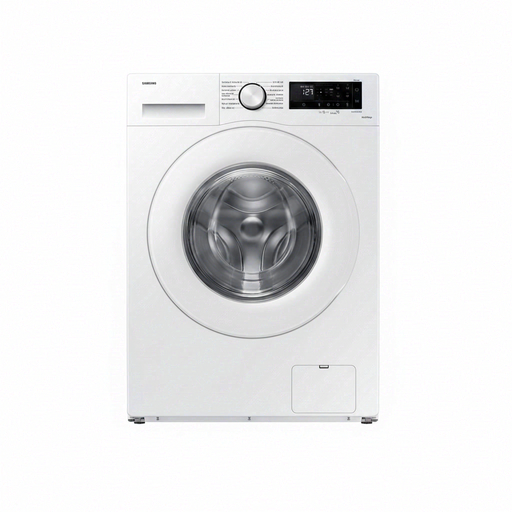
SAMSUNG WW80CGC04ATEEG Front-Loader, 8 kg
Why This Fits Their Persona: An 8 kg washing machine is ideal for families. Integration into the SmartThings ecosystem allows tech-savvy users to conveniently control the wash cycle via an app and incorporate it into their smart home routines.
It sidesteps the "useless smart feature" trap by connecting to an established ecosystem (SmartThings) that offers real value, like remote start and status updates, instead of just being a gimmick.
Seamless SmartThings connectivity and a solid combination of 8 kg capacity and Class A energy efficiency.
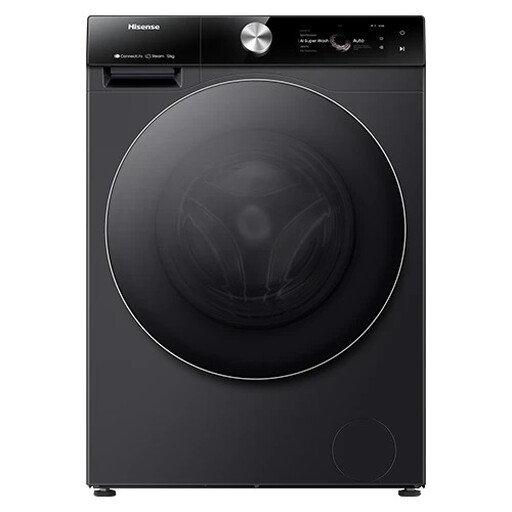
Hisense Front-Loader, 12 kg
Why This Fits Their Persona: With an enormous 12 kg capacity, this model is the solution for large families. Entire mountains of laundry or large duvets fit into a single load, saving time and energy.
This appliance offers not just capacity but also practical extra features like a washing machine with a steam function (Steam Wash) and a hygiene programme, which provide real benefits for families with children.
Very large 12 kg capacity and a special hygiene steam programme to remove bacteria and allergens.
For special requirements, such as combining washing and drying in one appliance, a washer-dryer can be a space-saving alternative.
Looking for more options?
We have compiled a complete, up-to-date list of products that fully meet these strict selection criteria and German safety regulations.
Frequently Asked Questions
How long does a modern washing machine last?
The lifespan of a washing machine depends heavily on the quality of its components and how it's used. Models with an inverter or direct drive motor are generally more durable as they have fewer parts prone to wear and tear. With regular maintenance, such as cleaning the lint filter and running machine cleaning cycles, a high-quality washing machine can last 8 to 12 years.
What does Energy Efficiency Class A really mean for a washing machine?
Since the rescaling of the EU energy labels in 2021, Class A is the highest efficiency class. However, there are still significant differences within it. To directly compare the operating costs of two Class A models, you should use the energy consumption per 100 cycles (kWh) value on the label. Some manufacturers also advertise figures like "A-10%," meaning the appliance is 10% more efficient than the threshold for Class A.
Does a washing machine need to be installed by a professional?
Although installation is often done by the owner, professional installation is recommended. This is especially true for appliances with an AquaStop system to ensure the full functionality of the water protection and to maintain the warranty. A professional will also ensure the transit bolts are correctly removed and the appliance is perfectly level, which minimises vibrations and noise during operation.