
Vegan Chinese Snacks Buyer's Guide
Finding authentic, high-quality vegan Chinese snacks in the UK can quickly become a complicated affair. The market is growing, but so is the confusion caused by marketing promises and vague product descriptions. Many who are searching for new flavour experiences end up with products that don't meet their expectations. This guide is designed to help you avoid the common pitfalls and make an informed choice.
The two most common problems when buying are:
- The "Authenticity" Trap: The term "authentic" is often used, but it doesn't guarantee quality. It frequently conceals products made with low-grade oils, an excessive use of flavour enhancers, or unclear ingredient lists that raise more questions than they answer.
- The "Texture" Lottery: Descriptions like "meat-like" or "chewy consistency" are subjective. Whether a snack ultimately has a pleasant, fibrous structure or a rubbery texture depends on the base ingredient—information that is often not clearly communicated.
What Really Matters: The Decisive Features
To avoid disappointment, it's wise to focus on objective criteria rather than vague advertising claims. Two factors are particularly crucial here: the base ingredient and the specific flavour profile.
The Base Ingredient: Konjac, Soy, or Wheat Gluten?
The foundation of a snack significantly determines its texture and nutritional value. The most common bases for savory vegan snacks from China are:
- Konjac (Konjac Root): A konjac snack is made from the flour of the konjac root. This ingredient is virtually calorie- and fat-free. The texture is characteristically firm, smooth, and slightly elastic, similar to tripe or certain types of seafood. Due to its neutral base, konjac absorbs the flavours of sauces and spices very well.
- Soy and Wheat Protein: Products marketed as vegetarian jerky from China or "vegetarian meat" are usually based on soy protein, wheat gluten, or a mixture of both. These ingredients create a fibrous, firm, and chewy texture reminiscent of dried meat. They are also a source of plant-based protein.
The Flavour Profile: More Than Just "Spicy"
The variety of spicy Asian snacks goes far beyond simple heat. A key term here is mala snack.
- Mala (麻辣): This classic Sichuan seasoning combines the fiery heat of chillies (辣, là) with the unique, tingling-numbing sensation of Sichuan pepper (麻, má). Anyone expecting a mala snack is looking for this specific combination, not just pure spiciness.
- Sour & Spicy (酸辣): Another popular flavour profile that combines the heat of chillies with the acidity of vinegar or pickled vegetables.
- Aromatic & Spicy (香辣): Here, the aroma of spices like cumin, fennel, and star anise takes centre stage, complemented by a moderate level of heat.
Knowing these parameters allows you to specifically search for products that match your preferences for texture and taste, enabling you to make a well-founded decision when you want to buy Chinese specialties.
Top Picks by Flavour
Here are some product recommendations tailored to different preferences and use cases.
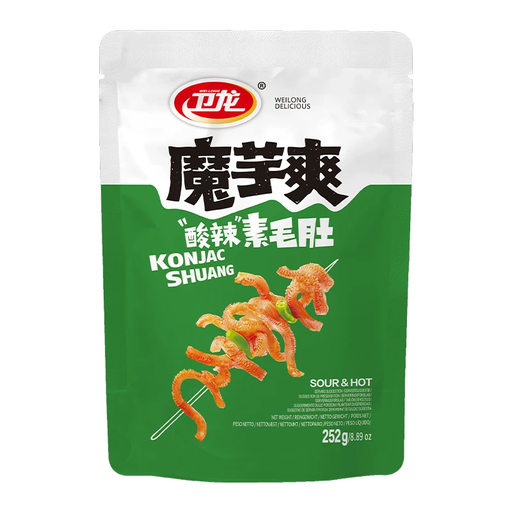
Wei Long Konjac Snack Hot and Sour Vegetarian Tripes 252g (Contains 28 Packs)
Why This Fits Their Persona: Ideal for anyone diving into the world of konjac snacks for the first time. The individually wrapped portions are perfect for sampling and sharing. The classic hot and sour flavour is widely popular, offering a balanced and approachable taste experience.
The konjac flour base ensures a clearly defined, firm, and elastic texture without any misleading "meat-like" promises. The "hot and sour" flavour profile is precise and well-established.
Low-calorie base; convenient individual packs for on-the-go snacking; a popular flavour that serves as a great introduction.
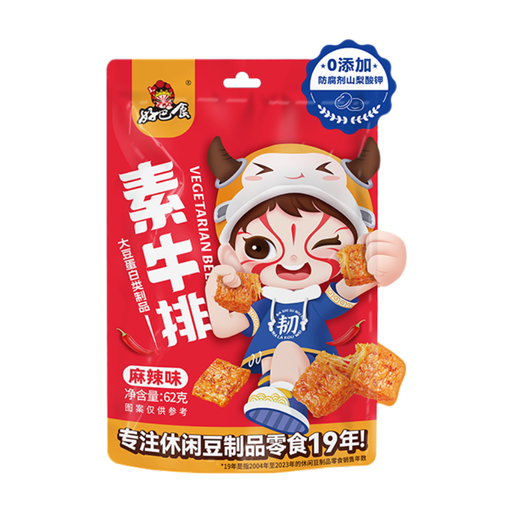
Hao Ba Shi Vegetarian Beef Steak Spicy Flavor 62g
Why This Fits Their Persona: Perfect for anyone looking for a savory, high-protein snack. The soy protein-based texture is firm and fibrous, providing a satisfying chew that makes it a great alternative to traditional jerky.
This product bypasses the "texture lottery" by delivering a consistent, fibrous structure from its soy protein base, which lives up to the "steak" description. The mala flavour is clearly defined.
High protein content (20g per 100g, according to the manufacturer); authentic mala snack flavour; satisfying, firm texture.
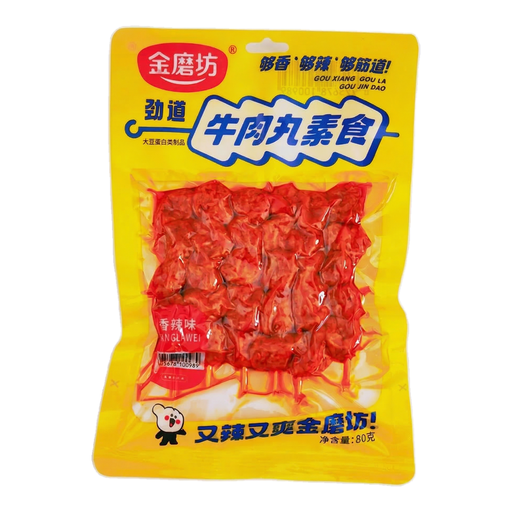
Jinmofang Chewy Vegetarian Beef Balls, Spicy Flavor, 80 g
Why This Fits Their Persona: For those who want a product that works both as a standalone snack and as an ingredient. These balls can be eaten straight from the pack or used as a protein-rich addition to hot pots, soups, and noodle dishes.
The "ball" shape and the ingredients (wheat gluten/soy) give a clear indication of the firm, cook-stable texture. This makes the product predictable and versatile, without any vague promises.
Very high protein content (28.2g per 100g, according to the manufacturer); ready-to-eat yet stable when cooked; versatile for use in the kitchen.
Looking for More Options?
We have compiled a complete, up-to-date list of products that fully meet these strict selection criteria and UK regulations.
What is a konjac snack?
A konjac snack is made from the flour of the konjac root, a plant native to Asia. The resulting mixture is processed into various shapes like strips, noodles, or blocks. It is characterized by a firm, slightly rubbery, and smooth texture. Since konjac itself has very little flavour, it is an ideal carrier for intense seasonings and sauces. It is also known for its very low calorie content.
How spicy is a mala snack?
The spiciness of a mala snack is unique. It consists of two components: the direct heat from chillies and the tingling, slightly numbing sensation on the tongue and lips that comes from Sichuan pepper. For newcomers, this tingling can be an unusual experience. The intensity can vary greatly from product to product, ranging from mildly tingly to intensely numbing and very hot.
Are these snacks just for nibbling or can they be used in cooking?
Many of these products are extremely versatile. While individually wrapped, seasoned snacks are primarily intended for direct consumption, many others are also excellent for cooking.
- Konjac products in strip or block form are a popular ingredient in Asian hot pots, stews, and stir-fries, as they retain their firm texture even when heated.
- Vegetarian jerky or balls made from a soy/wheat base can be chopped up and added to fried rice or noodles, or serve as a protein-rich addition to soups.
- Pickled vegetables like seasoned lotus root slices or mushrooms are classic side dishes for rice and noodle meals.