
Vegan Asian Snacks: A Buyer’s Guide
Finding authentic, plant-based snacks from Asia can be a challenge. As the market grows, so does the number of products that fall short on flavour or quality. Many consumers who buy Asian snacks online encounter misleading labels or disappointing textures. This guide will help you navigate the common pitfalls and find products that truly deliver on their promise.
The 3 Most Common Pitfalls When Buying Vegan Snacks
- The "Vegetarian" Trap: One of the biggest hurdles is assuming "vegetarian" automatically means "vegan". Many products labelled as vegetarian Chinese snacks contain milk powder, whey, or other animal-derived ingredients that aren't immediately obvious on the ingredients list.
- Disappointing Texture: Products that promise a meat-like consistency often turn out to be soft, mushy, or rubbery. A good vegetarian meat substitute from Asia should have a defined, fibrous, or chewy structure that provides a satisfying mouthfeel.
- Unclear Ingredients and Flavours: Vague descriptions like "spicy" or poorly translated ingredient lists make it difficult to gauge the flavour profile and heat level. This often leads to a purchase that doesn't meet the expectations for authentic, spicy vegan snacks.
What Really Matters: The Key Criteria for Your Purchase
To avoid disappointment, you should check three core parameters before buying. These will help you objectively assess a product's quality and authenticity.
1. The Foundation: Understanding Protein Source and Texture
The foundation of any vegan meat substitute snack is its protein source, which is primarily responsible for the texture. The three most common bases are:
- Soy Protein: Often found as spicy dried tofu or in the form of textured soy protein. It offers a firm, often fibrous structure that works well for mimicking dried meat. Products like vegan jerky online are frequently soy-based.
- Wheat Gluten (Seitan):Seitan snacks are known for their distinctly chewy and meat-like texture. The protein from wheat creates a dense, elastic consistency often used to replicate beef or chicken.
- Konjac: When you buy a konjac snack, you can expect a completely different texture. The substance derived from the konjac root has a firm, slightly springy, and smooth consistency. It's low in calories and is excellent for imitating seafood or tripe.
2. The Aroma: Identifying Authentic Seasoning
The authenticity of an Asian snack lies in its seasoning. Instead of relying on generic terms, look for specific descriptions that point to traditional flavour profiles:
- Mala (麻辣): A combination of Sichuan peppercorn (numbing) and chilli (hot). This is a clear indicator of an authentic, spicy snack from Sichuan cuisine.
- Five-Spice (五香): A classic Chinese blend of star anise, fennel, Sichuan peppercorn, cloves, and cinnamon. It gives snacks a complex, aromatic, and slightly sweet flavour.
- Teriyaki: A Japanese sauce made from soy sauce, mirin, and sugar, which creates a sweet and savoury taste.
3. The Assurance: Interpreting Ingredient Lists Correctly
A careful review of the ingredient list is essential. Watch out for terms that indicate non-vegan ingredients, such as milk powder, whey powder, casein, or certain flavour enhancers that can be of animal origin. Reputable sellers will list all allergens clearly and transparently.
Picks for Different Flavour Profiles
Based on the criteria above, we have curated a selection of products suitable for different preferences.
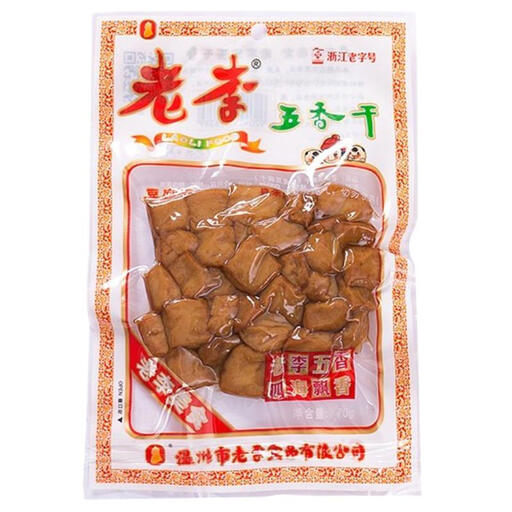
Laoli Five-Spice Dried Tofu, Five-Spice Flavor, 70 g
Why This Fits Their Persona: Ideal for those who are curious and looking for an authentic but not-too-extreme flavour. The five-spice aroma is a classic in Chinese cuisine, offering a balanced introduction to the world of savoury tofu snacks.
The firm, pressed texture of the dried tofu avoids the disappointment of a mushy mouthfeel. The ingredient list is clear and soy-based, ensuring it is vegan-compliant.
Classic, aromatic five-spice profile; high in protein (20g per 100g); firm, chewy consistency.
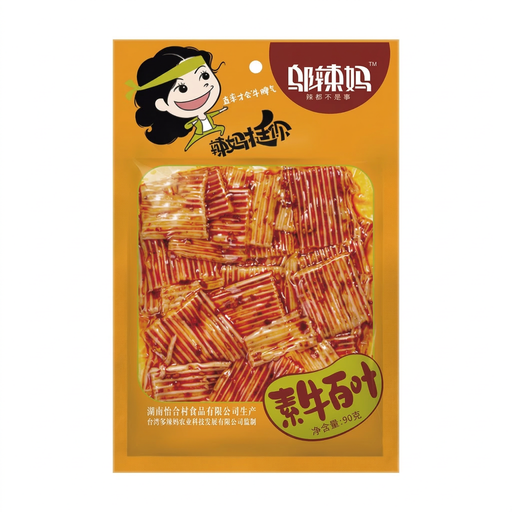
Wulama Vegetarian Beef Tripe 90g
Why This Fits Their Persona: Perfect for anyone seeking an exceptional, meat-like chewing experience. This wheat gluten-based snack mimics the layered, chewy texture of beef tripe, offering a unique mouthfeel.
This product delivers on its promise of a complex texture, avoiding the trap of a bland, soft meat substitute. The wheat gluten base provides the necessary bite.
Unique, layered, and chewy texture; bold and savoury flavour; high protein content (16.5g per 100g).
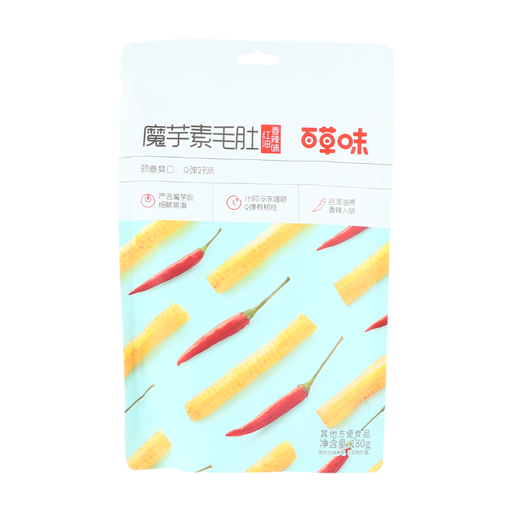
Be&Cheery Konjac Vegetarian Tripe 180g (Spicy Chilli Oil Flavour)
Why This Fits Their Persona: For those who like it genuinely spicy. This snack combines the crisp texture of konjac with the intense, rich flavour of red chilli oil—an authentic choice for lovers of piquant food.
The product name "Spicy Chilli Oil Flavour" is specific and delivers the expected heat. The konjac base provides a crisp texture that stands out clearly from softer alternatives.
Intense, authentic chilli oil flavour; crisp and firm-to-the-bite konjac texture; low-calorie (84 kcal per 100g).
Looking for More Options?
We have compiled a complete, up-to-date list of products that fully meet these strict selection criteria.
Frequently Asked Questions (FAQ)
Are all Asian snacks labelled "vegetarian" also vegan?
No, not necessarily. The "vegetarian" label only excludes meat and fish but often permits ingredients like milk, whey, or eggs. For a purely plant-based diet, it is essential to carefully check the full ingredient list on the product page or packaging.
What is the difference between seitan, tofu, and konjac snacks?
The main difference lies in the base ingredient and the resulting texture:
- Seitan snacks (from wheat gluten) are very chewy, fibrous, and meat-like.
- Tofu snacks (from soybeans) have a firmer, often pressed consistency that varies depending on the processing.
- Konjac snacks (from the konjac root) offer a unique, firm-to-the-bite, and slightly smooth or springy texture, often described as "crispy" or "chewy".
How should I store opened Asian snacks?
Most of these snacks are shelf-stable and should be stored in a cool, dry place. After opening the package, it is advisable to store the remainder in an airtight container in the refrigerator and consume it promptly. This helps to preserve the freshness and, in particular, the texture of the product. Always follow the storage instructions on the packaging.