
Vacuum Sealer Bag Buyer’s Guide for Food Storage
Vacuum sealer bags are an indispensable tool in the modern kitchen. They extend the shelf life of food, preserve nutrients and flavours, and effectively reduce food waste. But the market is crowded and confusing, and not every bag delivers on its promise. The wrong purchase not only leads to frustration but, in the worst-case scenario, to spoiled food.
This guide will help you avoid the common pitfalls. We focus on the crucial features that define a quality vacuum bag, so you can make an informed decision—without the marketing hype.
The Most Common Traps When Buying Vacuum Sealer Bags
Many buyers focus solely on price or quantity, overlooking critical quality features. This often leads to three problems:
- Leaky Seals and Torn Bags: The most common annoyance is bags made from thin, single-layer material. They tear easily, especially with foods that have sharp edges like bones or pasta, and quickly lose their vacuum. The result is freezer burn or premature spoilage.
- Poor Air Extraction: Smooth bags, intended for professional chamber vacuum sealers, are mistakenly purchased for standard external vacuum sealers. However, these household devices require a textured surface (embossing) for the air to be completely removed. Without this structure, the machine cannot create a proper vacuum.
- Unsuitable for Special Applications: Not every vacuum bag is designed for sous vide cooking or long-term freezing. Bags made from low-quality plastic can melt when heated or release plasticizers into the food. For freezing, they are often not robust enough, leading to freezer burn.
What Really Matters: The Key Parameters
To avoid these mistakes, you should check three core aspects before buying. These determine the functionality and safety of your vacuum sealer bags.
1. Material and Structure: The Foundation of Durability
The quality of a vacuum sealer bag lives and dies by its construction. Look for multi-layer films, usually a combination of polyamide (PA) and polyethylene (PE). PA provides an effective oxygen barrier and puncture resistance, while PE ensures a secure seal and is food-safe.
For most household machines, a textured or embossed surface is essential. These fine grooves or honeycomb patterns create micro-channels that allow air to be reliably drawn out of the bag. Smooth bags only work in expensive chamber vacuum sealers.
2. Format and Size: Bags or Rolls?
The choice between pre-cut bags and a vacuum sealer roll depends on your usage habits.
- Pre-cut Bags: They are convenient and ready to use. Sizes like 20x30 cm are ideal for individual steaks, chicken breasts, or portions of vegetables. They are excellent for quickly processing same-sized quantities.
- Sealer Rolls: A vacuum sealer roll offers maximum flexibility. You can cut the bag length to your exact needs—perfect for bulky foods like a whole fish, asparagus, or large roasts. In the long run, this can also save material.
3. Suitability and Safety: Sous Vide and Freezing
Check the manufacturer's specifications for intended use. For low-temperature cooking, special sous vide bags that are boil-safe and heat-resistant are required. Look for the "boil-safe" note or a specification for the maximum temperature resistance.
As freezer bags for vacuum sealers, the bags must be particularly tear-proof and cold-resistant to protect food from freezer burn for months. A crucial safety feature is the "BPA-free" label, which ensures that no harmful plasticizers leach into your food.
Our Tried and True Recommendations
Based on the criteria above, we have compiled a selection of products suitable for different needs and households.
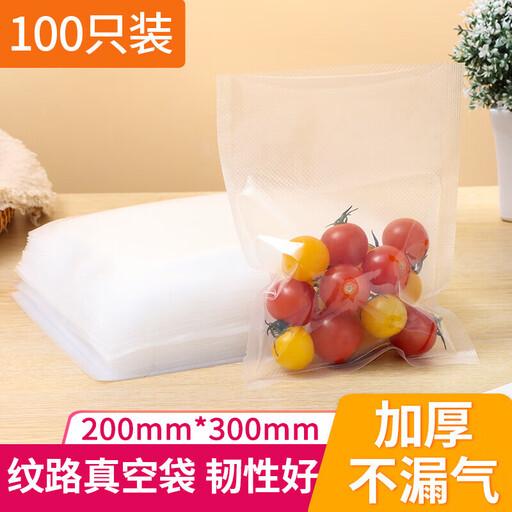
BJ Vacuum Packaging Bag, 100 Pcs, 20cm * 30cm
Why This Fits Their Persona: Ideal for households that regularly process and portion large quantities of food. The 100-piece pack in the standard 20x30 cm size offers excellent value for everyday use.
These bags are designed for external vacuum sealers and provide a reliable seal, bypassing the problem of a lost vacuum. The bulk pack significantly lowers the cost per bag.
High quantity for continuous use; Convenient standard size for most foods.
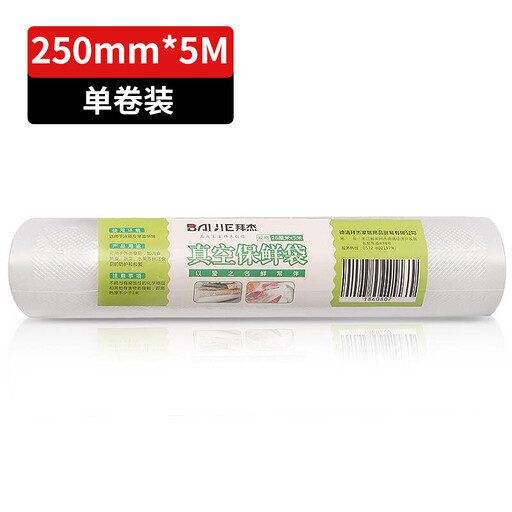
BJ Vacuum Sealer Bag Roll, 250 mm * 5 m
Why This Fits Their Persona: Perfect for those who vacuum seal a variety of foods with different dimensions. The roll allows you to customize the bag size to fit the contents exactly, from small snacks to long vegetables.
Solves the problem of not having the right-sized bag for bulky or oddly shaped foods. The material is suitable for common vacuum sealers and prevents material waste.
Maximum flexibility in bag size; Reduces waste through custom-fit cutting.
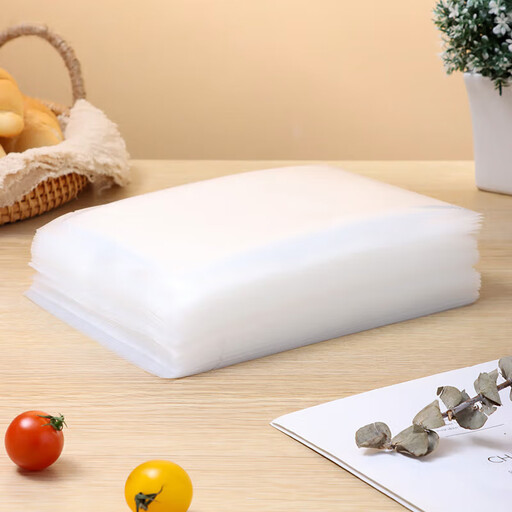
BJ Vacuum Packaging Bag, 50 Pcs, 30cm * 40cm
Why This Fits Their Persona: The generous 30x40 cm dimensions are ideal for large cuts of meat, whole fish, or batch-cooking family meals. The description highlights its suitability for sous vide cooking and organizing bulk purchases.
Provides the necessary size and durability for demanding applications like sous vide or freezing large roasts, thus avoiding the failure of bags that are too small or too thin.
Large format for versatile applications; Suitable for sous vide and storing large portions.
Looking for More Options?
We have compiled a complete, up-to-date list of products that fully meet these strict selection criteria and current safety regulations.
Frequently Asked Questions (FAQ)
Can you use any vacuum sealer bag with any machine?
No, this is a common misconception. Most vacuum sealers for home use are external vacuum sealers. These require bags with a textured (embossed) inner surface so that the air can be completely removed. Smooth bags only work with professional chamber vacuum sealers, where the entire bag is placed inside a chamber.
How long does food last in vacuum sealer bags?
By removing oxygen, the shelf life is significantly extended. As a rough guideline: in the freezer, vacuum-sealed food can last up to 2-3 years instead of 6-12 months and is protected from freezer burn. In the refrigerator, the shelf life extends from a few days to up to two weeks, depending on the food. The exact duration always depends on the type and original freshness of the food.
Are vacuum sealer bags reusable?
Reuse is possible under certain conditions. Bags that held dry foods like nuts or grains can be reused after thorough cleaning and drying. To do this, cut off the old seal, and reseal the bag. For hygiene reasons, it is not recommended to reuse bags that contained raw meat, fish, eggs, or greasy foods, as it is difficult to completely remove all bacteria.