
Essential Gaming PC Builders Buying Guide
Planning to build your own gaming PC is the first step toward a system perfectly tailored to your needs. However, the path to getting there is often paved with pitfalls. Two of the most common and costly mistakes are investing in a processor with specs that don't match the primary use case—gaming—and choosing an outdated platform that makes future upgrades unnecessarily complex and expensive. This guide will help you navigate these hurdles and make informed decisions for your 2026 build.
The Foundations of a Solid Purchase Decision: What to Look For
Before you buy PC components, it's crucial to understand the technical fundamentals that determine your system's performance and longevity. Instead of being swayed by marketing buzzwords, you should focus on verifiable metrics.
CPU Socket and Chipset: The Foundation of Your System
The interplay between the processor (CPU) and the motherboard is the basis of every PC. The CPU socket is the physical interface on the motherboard where the processor is installed. For high-end builds in 2026, the AMD AM5 socket is a key component. It provides the foundation for modern technologies and ensures compatibility with future processor generations.
An AMD AM5 upgrade is a strategic decision for longevity. The platform supports essential standards such as:
- DDR5 RAM: Offers higher clock speeds and bandwidth than its predecessor, DDR4, which can lead to a noticeable performance boost in memory-intensive applications and games.
- PCIe 5.0: Doubles the bandwidth compared to PCIe 4.0. This is critical for the next generation of graphics cards and NVMe SSDs that demand maximum transfer rates.
The choice of motherboard chipset (e.g., X870E, B850) determines the feature set, such as the number of PCIe lanes, USB ports, and overclocking capabilities. A well-designed PC configurator or a motherboard manufacturer's compatibility list is essential to ensure all parts work together in harmony.
Cache Size vs. Core Count: The Decisive Factor for Gaming
A high core count is advantageous for professional applications like video editing or 3D rendering. For pure gaming, however, another factor is often the most decisive: the L3 cache. A large and fast cache, like that found in AMD's processors with 3D V-Cache technology, significantly reduces latency when accessing frequently used game data. This directly leads to higher and more stable frame rates, even when using a processor with fewer cores. An 8-core processor with a massive 3D V-Cache can outperform a 16-core processor without this technology in many game titles. The search for the right gaming processor should therefore heavily weigh this aspect.
Processor Picks for Every User
Choosing the right processor depends on your individual requirements and budget. Instead of making a one-size-fits-all recommendation, we're matching specific models to particular user groups here.
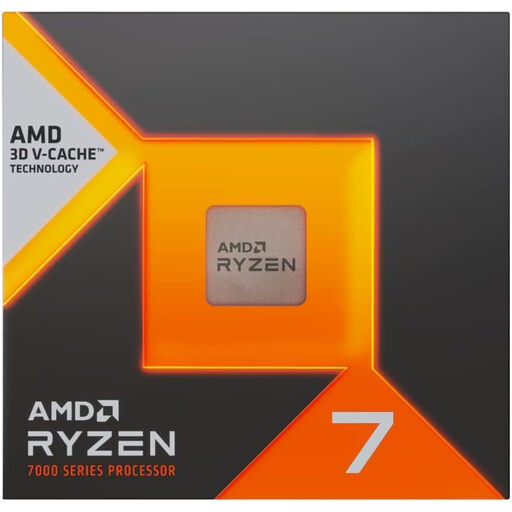
AMD CPU Ryzen 7 7800X3D
Why This Fits Their Persona: This user seeks maximum gaming performance for their money. The Ryzen 7 7800X3D, with its large 3D V-Cache, focuses precisely on what matters for high frame rates in games, without the cost of an extremely high core count that often goes unused in gaming. It's the ideal foundation for a pure gaming PC on the AM5 platform.
It debunks the myth that more cores are always better by delivering outstanding gaming performance through its cache. At the same time, the AM5 foundation ensures the system's longevity.
96 MB L3 cache for reduced latency in games. Efficient power consumption and compatibility with the long-lasting AM5 platform.
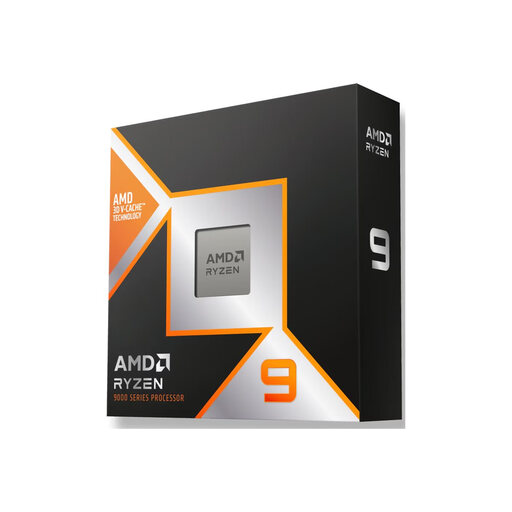
AMD CPU Ryzen 9 9900X3D
Why This Fits Their Persona: This user wants to do more than just game; they also stream, create videos, and run multiple demanding applications simultaneously. The Ryzen 9 9900X3D combines the new Zen 5 architecture with 12 cores and 3D V-Cache. It offers a symbiosis of high-end gaming power and excellent application performance.
Here, the high core count isn't a superfluous luxury but a deliberate choice for demanding multitasking. The investment is justified because both gaming and productivity workloads benefit.
12 cores / 24 threads based on Zen 5 and 128 MB of L3 cache. Supports PCIe 5.0 and delivers high performance for mixed-use scenarios.
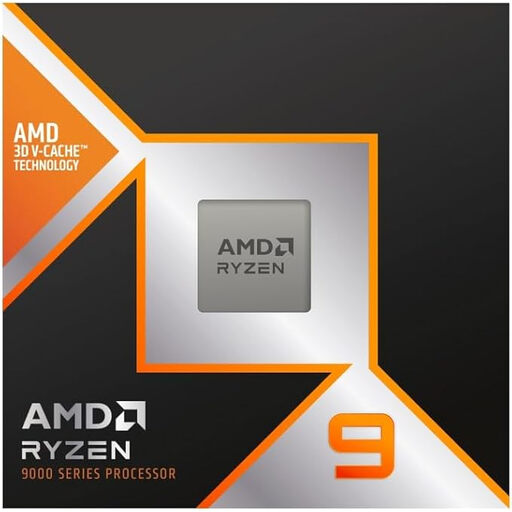
AMD CPU Ryzen 9 9950X3D BOX
Why This Fits Their Persona: This user is building a no-compromise system. The Ryzen 9 9950X3D is designed for users seeking the absolute pinnacle of performance for professional creative workloads and extreme gaming. With 16 cores and the largest cache volume, it's a long-term investment in a platform that will remain relevant for years to come.
This isn't an ill-considered expense but a strategic investment in maximum performance and longevity. It prevents the need for frequent, costly full-platform upgrades.
16 cores / 32 threads and a total of 144 MB of cache. Delivers the maximum performance currently available on the AM5 platform for desktop users.
Looking for More Options?
A careful selection of the right components is the key to a powerful and long-lasting system. We have curated a selection of products that meet the criteria mentioned here.
Frequently Asked Questions (FAQ)
Do I need a new motherboard for Ryzen 9000 series processors?
If you already own a motherboard with an AM5 socket (e.g., with an X670 or B650 chipset), you typically only need a BIOS update to ensure compatibility with the Ryzen 9000 series processors. Check your motherboard manufacturer's support page for this. If you are upgrading from an older platform like AM4, you will need a new AM5 motherboard to use the new processors and technologies like DDR5 and PCIe 5.0.
Is an AMD AM5 upgrade a good idea in 2026?
Yes, upgrading to the AM5 platform in 2026 is a very sensible decision. The platform is designed for longevity and supports the latest standards that will be relevant for future hardware generations. According to AMD, the plan is to support the AM5 socket until at least 2025 and beyond, which means you can upgrade to future processors without changing your motherboard. This makes it a sustainable investment.
How often should you upgrade a gaming processor?
There's no hard and fast rule for how often to upgrade your CPU. Instead of going by years, you should monitor your system's performance. An upgrade makes sense when the processor becomes a bottleneck, limiting your graphics card's performance in the games you play and at your desired resolution. A good PC building guide or analysis tools can help identify such bottlenecks. With a future-proof platform like AM5, you can approach this upgrade point with more flexibility and cost-efficiency.