
Choosing a TV Wall Mount: How to Check Load Capacity, VESA and Mounting Type Correctly
Mounting a television on the wall saves space and can improve your viewing angle. However, the wrong TV wall mount can quickly lead to extra costs: drill holes in the wrong place, a crooked television, or a bracket that doesn't fit your set despite matching the inch size. That's why screen size or an ultra-slim design alone aren't the deciding factors.
Typical Buying Pitfalls with TV Wall Mounts
1. Inch Size Confused with Compatibility
A specification like "for 32 to 90 inches" only describes a screen size range. It doesn't automatically mean the hole spacing and load capacity will be right. A 55-inch television can have a different VESA pattern and a significantly different weight depending on the model.
2. Maximum Load Capacity Calculated Too Tightly
A TV wall mount rated up to 75 kg should not be used to mount a 75 kg television on a weak wall. The total weight of the TV, mount and any accessories must be suitable for the wall and the fixings. For drywall, hollow brick or plasterboard, appropriate reinforcements or suitable wall plugs are required.
3. "Ultra-Slim" Doesn't Suit Every Connection
An ultra-slim TV mount can look great, but leaves little room for HDMI, power or network cables that go straight back. Before buying, check whether your connections are on the side, point downwards or directly towards the wall. If you frequently swap cables, a tilting or extendable design is often more practical than a fixed TV wall mount.
The Most Important Parameters Before You Buy
Screen Size, Weight and Load Capacity
Compare your television's specifications with the mount's data:
- Screen size: The stated range must include your TV's actual diagonal measurement.
- Weight: The weight of the television without its stand is what matters, provided the mount is designed for wall installation.
- Load capacity: The maximum load must not be exceeded. A safety margin below the maximum load is sensible.
- Wall material: Concrete, solid brick and solid timber studs have different requirements to plasterboard or hollow walls.
For particularly large sets, mounting should be done by at least two people. For hotels, offices, gyms or retail spaces, accessible cable management and regular checks of the fixings are also advisable.
Reading the VESA Pattern Correctly
The VESA pattern describes the horizontal and vertical distance between the threaded holes on the back of your television, for example VESA 600x400. A mount with VESA compatibility from 100x100 to 600x400 mm covers many sets, provided the weight and size also match.
You can find the measurement in the instruction manual, the technical data sheet or directly on the television itself. Don't rely solely on the brand or the inch size.
Fixed, Tilting, Swivel or Height-Adjustable?
The mounting type should suit the room and your seating position:
- A fixed TV wall mount is suitable for a permanently straight viewing angle and usually offers a small distance from the wall.
- A tilting TV mount can be useful if the television is mounted above eye level. The tilt angle must lock securely after installation.
- A swivel TV wall mount makes it easier to angle the screen towards different seats, but needs more space in front of the wall.
- A height-adjustable TV mount offers extra flexibility, but is often more complex in construction.
- A TV ceiling mount is ideal for rooms with limited free wall space, such as retail areas, gyms or certain living situations. It must be fixed to a load-bearing ceiling structure.
Our Selection for Different User Profiles
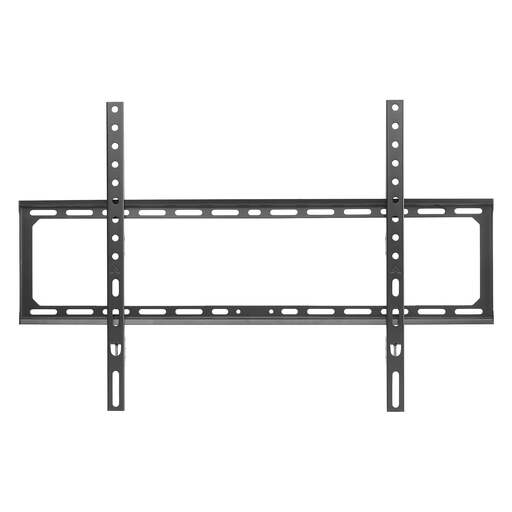
Fixed Universal TV Wall Mount Bracket
Why this product suits the profile: The fixed design is built for space-saving installation of televisions from 32 to 90 inches and is ideal for users who don't need a swivel or tilt function.
The specifications clearly state the screen size range, 45 kg load capacity, VESA compatibility up to 600 × 400 mm and a wall distance of approximately 22 mm.
Fixed design, steel construction, slim wall profile and included mounting hardware.
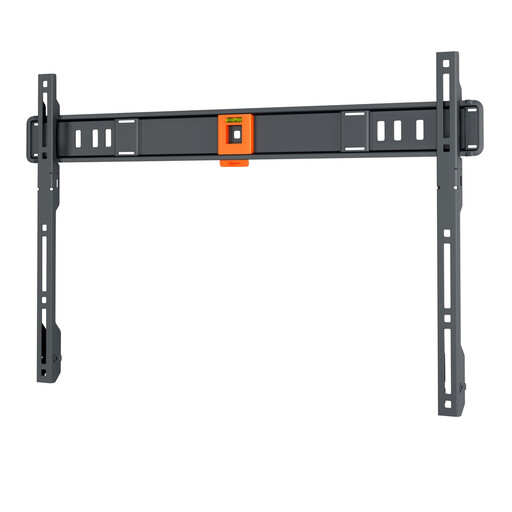
Vogel's TVM 1609 Fixed Large TV Wall Mount
Why this product suits the profile: This mount is designed for owners of large LED, LCD or OLED televisions from 40 to 100 inches who prefer a fixed, very wall-hugging installation.
The technical data explicitly lists a load capacity of 75 kg and VESA 100x100 to 600x400 mm. The ClickLoc system reportedly provides an audible locking signal.
Reinforced steel, wide compatibility range and designed for up to 75 kg.
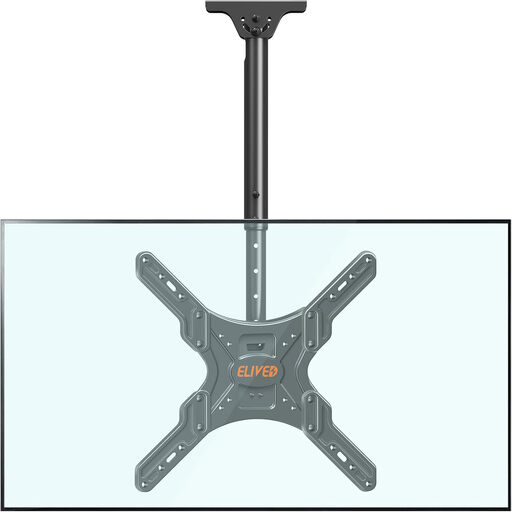
ELIVED Ceiling TV Bracket Height Adjustable
Why this product suits the profile: This TV ceiling mount is designed for 24 to 65 inches, offers six height positions and is suitable for changing viewing angles in living rooms, studios, shops or hospitality areas.
The description states the load capacity, VESA range, height adjustment and the requirement for a load-bearing ceiling structure. Installation on plasterboard alone is excluded.
360° swivel range, +5°/−10° tilt, six height levels and integrated cable management.
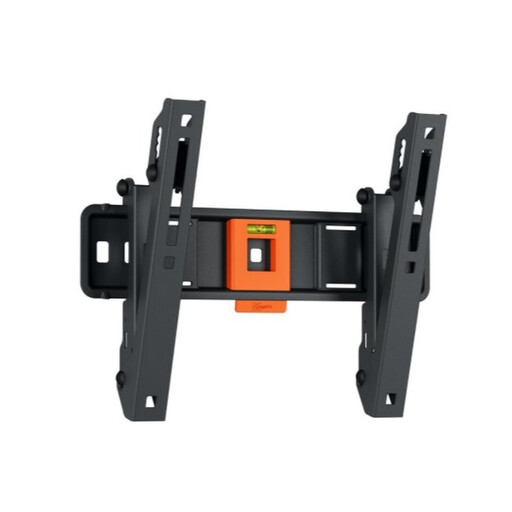
Vogel's TVM 1219 Small TV Wall Mount
Why this product suits the profile: For smaller televisions from 19 to 43 inches, the tilting design offers adjustment when the set is mounted higher than your normal seating position.
The VESA range of 75x75 to 200x200 mm and the maximum load capacity of 30 kg are clearly stated for compact sets.
Up to 15° tilt, ClickLoc safety lock and reinforced steel construction.
Looking for more options?
We've put together a full, regularly updated list of products that fully meet these strict selection criteria and the safety regulations in force in the EU.
Installation and Long-Term Use
Before drilling, decide on the television's position, the viewing height and the cable routing. The mounting plate must be levelled horizontally. Only use fixings that are suitable for the wall or ceiling material and the load. The screws supplied must not be replaced with other components without checking them first.
After installation, a visual check is recommended:
- Is the mount sitting fully on the mounting plate?
- Are all screws and locks tightened securely?
- Are cables free from kinks or tension?
- Are there any unusual movements, noises or loose fixings?
A fixed mount usually has fewer moving parts than a swivel design. However, the actual lifespan still depends on the materials, installation, load and regular inspection. If you change your television, check compatibility again based on weight and VESA pattern.
Frequently Asked Questions About TV Wall Mounts
Which TV wall mount fits my television?
Check the inch size, weight, VESA pattern and wall material together. A mount for 32 to 100 inches is not automatically suitable for every set in that range. Also consider the position of your connections and the desired distance from the wall.
How high should a television be mounted on the wall?
The centre of the screen is usually roughly at eye level from your preferred seating position. When mounting above furniture or in public areas, a different height may be needed. A tilting TV mount can adjust the viewing angle when mounted higher, but doesn't replace secure fixing.
Can a TV wall mount be attached to plasterboard?
Not every mount is suitable for this. The substructure, appropriate cavity or reinforcement anchors, and the combined weight of the television and mount are all critical. For large or heavy sets, installation should be on load-bearing studs or a reinforced structure. If in doubt, professional installation is advisable.