
Choosing a Table Protection Cover for Your Dining Table
A tablecloth serves two primary functions: protecting the table surface and enhancing the room's aesthetic. The choice of the right model depends on the user's specific requirements, which are defined by material, craftsmanship, and functional properties. This guide analyses the technical criteria relevant to deciding on a tablecloth or a table cover.
Buyer's Guide: What to Consider When Selecting a Tablecloth
The decision for a tablecloth should be based on an objective assessment of material properties, maintenance effort, and the intended application.
Material Analysis and Their Properties
The material is the decisive factor for feel, appearance, and functionality.
-
Polyester: This synthetic fabric is characterized by high durability, shape retention, and colorfastness. It is often crease-resistant and easy to care for. Through special treatments, polyester can be finished as a water-repellent tablecloth or with stain protection. Models in a linen-look table linen style imitate the textured surface of natural fibers but offer the easy-care advantages of synthetics.
-
PVC (Polyvinyl Chloride): As a material for a transparent table protector film, PVC offers robust protection against scratches, liquids, and impacts. The material thickness, usually specified in millimeters, is an indicator of its protective effect and longevity. PVC is completely waterproof and can be cleaned by simply wiping it down, making it a practical solution for heavily used surfaces like kitchen or dining tables.
-
Damask: A damask tablecloth is produced using a special weaving technique where warp-faced and weft-faced sections alternate to create complex patterns. Traditionally made from silk, linen, or cotton, modern versions often consist of easy-care polyester blends. Damask is primarily used for decorative purposes on formal occasions.
An Overview of Functional Criteria
Beyond the material, specific features are crucial for everyday usability.
-
Ease of Care: A washable tablecloth made of coated fabric or PVC allows for the quick removal of spills with a damp cloth. Machine-washable tablecloths made of polyester or cotton require slightly more maintenance but offer a textile feel. Pay attention to the manufacturer's instructions regarding washing temperature and dryer suitability.
-
Protective Function: The primary protective function is to repel liquids and stains. A water-repellent surface (often referred to as the lotus effect) causes liquids to bead up. For protection against heat, special heat-resistant mats or thick PVC films are required, with the temperature resistance specified by the manufacturer.
-
Size and Shape: A correctly sized tablecloth is both functional and aesthetic. Measure the length and width of your table. For a classic overhang, add 20 to 30 cm to each side. A rectangular tablecloth is the most common format, but corresponding versions are available for round or oval tables.
Discover Our Picks
The following products have been selected based on their specific material properties and their defined use cases.
1. Laneetal Washable Linen-Look Tablecloth
-
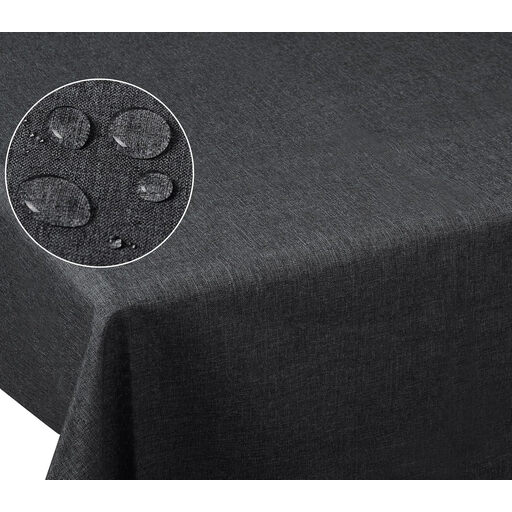
Product Property Analysis: This model from Laneetal combines the aesthetic of a textured linen look with the functionality of 100% polyester. The surface is treated with a water-repellent lotus effect, which allows spilled liquids to bead up immediately, thus reducing staining. The material is designed to be durable and colorfast.
-
Advantages:
- Water-Repellent: The lotus effect simplifies cleanup during everyday mishaps.
- Easy Care: Machine washable at up to 30°C and often usable without ironing due to its crease-resistant properties.
- Feel and Appearance: The linen texture provides a high-quality, natural appearance while offering high durability.
-
Who is it for: This product is suitable for households and families looking for a visually appealing yet practical tablecloth for daily use, both indoors and outdoors. It is a great choice for those who appreciate the look of natural fibers but prefer the low maintenance of synthetics.
Find more details and specifications on the product page.
2. Laneetal 2mm Transparent PVC Table Protector Film
-
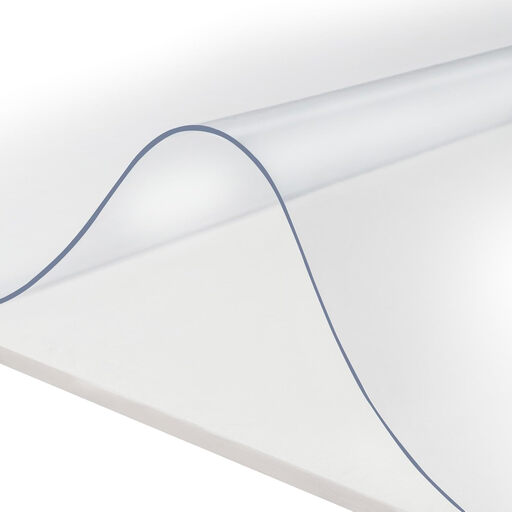
Product Property Analysis: This table protector film is made of 2 mm thick, highly transparent PVC. The material thickness provides robust physical protection against scratches, dents, and stains. According to the manufacturer, the material is heat-resistant up to 80°C, waterproof, and oil-resistant. Its transparency preserves the visibility of the underlying table surface.
-
Advantages:
- High Protection Factor: The 2 mm thickness offers an effective barrier against mechanical damage.
- Complete Transparency: The grain of wooden tables or the design of surfaces remains visible.
- Maximum Ease of Care: Liquids and food residues can be removed without a trace using a damp cloth.
-
Who is it for: This product is designed for users whose priority is the maximum protection of a valuable or delicate table surface. It is ideal for dining tables, desks, or work surfaces, especially in households with children. The manufacturer recommends its use on matte or textured surfaces to prevent the formation of air bubbles.
Find more details and specifications on the product page.
3. EUGAD Rectangular Damask Tablecloth
-
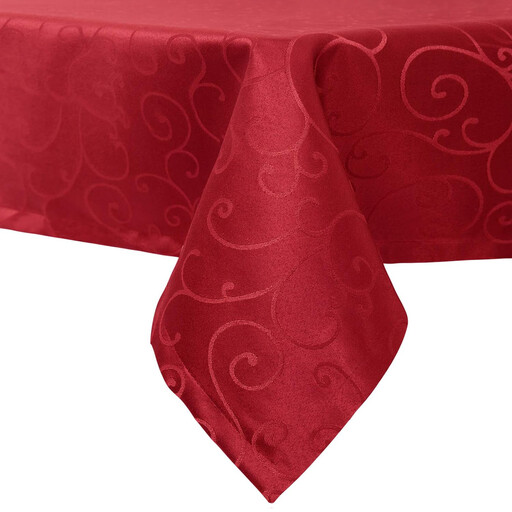
Product Property Analysis: This damask tablecloth from EUGAD is crafted from an easy-care fabric featuring a woven ornamental pattern. The design creates a subtle yet elegant visual effect through the interplay of matte and glossy areas. The edges are neatly hemmed, contributing to its shape retention and high-quality appearance.
-
Advantages:
- Decorative Design: The classic damask pattern is perfect for enhancing the ambiance on special occasions.
- Care Properties: The material is described as easy to iron and is machine washable, which simplifies handling compared to traditional damask fabrics.
- High-Quality Finish: The hemmed edge prevents fraying and ensures the fabric drapes cleanly.
-
Who is it for: This model is aimed at style-conscious individuals seeking decorative table linen for festivities, holidays, or formal dinners. It serves less as robust, everyday protection and more to create an elegant and festive atmosphere.
Find more details and specifications on the product page.
Further Options and Alternatives
The models presented here cover specific use cases, from everyday functionality to festive decoration. Should you be looking for other formats, materials, or designs, our main category offers a broader selection.
Discover more models in the Rectangular Tablecloth category.
Frequently Asked Questions (FAQ)
1. How do you calculate the right size for a tablecloth? Measure the length and width of your tabletop. Add twice the desired overhang to each measurement. A standard overhang is 20-30 cm per side. Example for a 140x80 cm table: Length = 140 cm + (2 x 25 cm) = 190 cm; Width = 80 cm + (2 x 25 cm) = 130 cm. The appropriate tablecloth size would therefore be 190x130 cm.
2. What does "water-repellent" mean for a tablecloth? A water-repellent property, often called the lotus effect, means the fabric's fibers have been treated so that liquids bead up on the surface and do not penetrate immediately. This gives you time to wipe away the liquid before it soaks into the fabric. This effect may diminish with repeated washing. It is not the same as "waterproof," which means no water can pass through the material (as with PVC).
3. Can a transparent table protector film be used on any table surface? Transparent PVC films are best suited for matte, porous, or slightly textured surfaces like untreated wood. On high-gloss, lacquered, or glass surfaces, air pockets can form due to adhesion, appearing as unsightly wet-looking patches. For such smooth surfaces, there are specially matted or lightly textured films that minimize this effect.