
Sugar-Free Protein Bars: A Buyer’s Guide
Finding the right snack for an active lifestyle can be a challenge. The market for sugar-free protein bars is vast, but not every product lives up to its packaging claims. As a Joybuy Product Recommendation Officer, I'll help you identify the key features and avoid common purchasing pitfalls, so you can make an informed decision.
The 3 Most Common Pitfalls When Buying Protein Bars
The fitness snack market is saturated with marketing terms that often confuse more than they clarify. Before you choose a bar, you should be aware of these three common traps:
- The "No Added Sugar" Trap: A bar marketed as having "no added sugar" isn't necessarily low in sugar. These products often contain high amounts of naturally occurring sugars from ingredients like date paste, fruit syrup, or honey. These can affect blood sugar levels similarly to regular table sugar.
- Hidden Carbohydrates and Sugar Alcohols: Many low-carb bars replace sugar with sugar alcohols (polyols) like maltitol, sorbitol, or erythritol. While these have fewer calories, they are not fully absorbed by the body and can cause digestive issues if consumed in excess. Therefore, checking the total carbohydrate content is essential.
- Misleading Protein Claims: A high protein percentage says little about the actual amount of protein per bar or the quality of the protein source. Cheaper protein sources like collagen hydrolysate have an incomplete amino acid profile and are less effective for muscle building than whey or casein protein, for example.
What to Actually Look For When Making Your Choice
To find a suitable low-sugar protein bar that aligns with your goals, you should check three core parameters. These will help you objectively evaluate a product's quality.
1. Sugar Content and Type of Sweeteners
The crucial value on the nutrition label is "of which sugars." A value below 5 grams per 100 grams is considered low in sugar. Pay attention to which sweeteners are used. Stevia, erythritol, and sucralose have a minimal impact on blood sugar levels. Polyols like maltitol are often used in larger quantities to create texture and sweetness, which can cause the digestive issues mentioned earlier. A good low-carb bar is characterized by a low net carbohydrate content, calculated by subtracting polyols and fibre from the total carbohydrates.
2. Protein Source and Absolute Protein Amount
The amount of protein should be considered not just as a percentage, but also in grams per bar. A fitness bar should ideally provide at least 15 grams of protein per serving to contribute to satiety and muscle recovery. High-quality protein sources include:
- Whey Protein: Quickly absorbed by the body, ideal for post-workout.
- Casein Protein (Milk Protein): Slowly digested, providing a sustained supply of protein.
- Soy Protein: A complete plant-based protein source.
Collagen hydrolysate is often used to increase the total protein content, but it primarily supports skin and joints rather than muscle building.
3. Ingredient List and Fibre Content
A short and understandable ingredient list is often a sign of a well-thought-out product. Fibre from sources like inulin, oligofructose, or whole-grain flakes promotes satiety and supports healthy digestion. A high fibre content makes a bar a more sustainable no-sugar-added snack and helps prevent cravings. If you're specifically looking to buy healthy bars, a clean ingredient list and a high fibre content are key indicators.
Our Picks for Different Profiles
Based on the criteria mentioned, we've compiled a selection of products suitable for different needs and lifestyles.
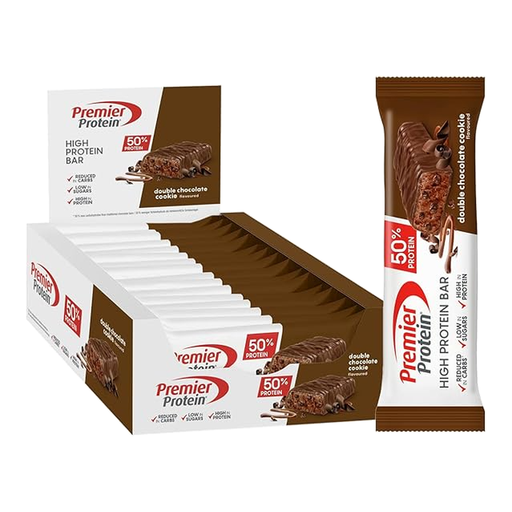
Premier Protein - High Protein Bar 50% - Double Chocolate Cookie
Why This Fits Their Persona: Ideal for athletes who need a high dose of protein post-workout to support muscle growth. The clear focus here is on maximum protein intake per bar.
This bar avoids the misleading protein claim trap with a clearly declared protein content of 50% (20g per 40g bar) from a blend of casein, collagen hydrolysate, and whey protein.
Very high protein content of 50%; low in sugar with less than 1g of sugar per bar; palm oil-free.
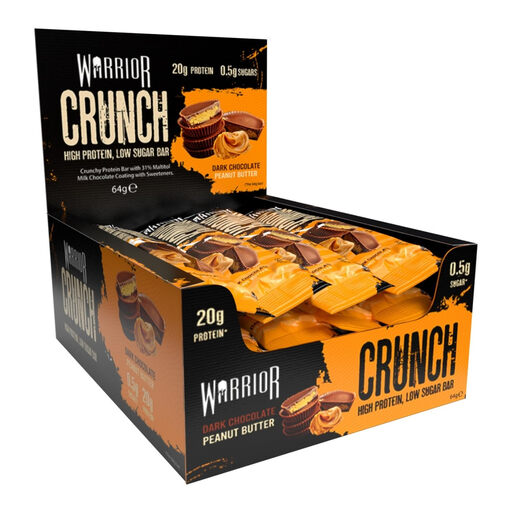
Warrior Crunch High Protein Low Carb Bar, Dark Chocolate Peanut Butter
Why This Fits Their Persona: Designed for individuals following a ketogenic or strict low-carb diet. The bar is designed to be keto-friendly, supporting weight management and blood sugar stability goals.
This bar addresses the hidden carbohydrate trap by explicitly stating a net carb content of under 3g per bar. It is sweetened primarily with maltitol.
High protein content (20g per bar); very low in sugar and carbs; crunchy texture with a triple-layered chocolate coating.

Corny Haferkraft Zero Peanut Butter Oat Bars
Why This Fits Their Persona: Perfect for health-conscious individuals looking for a vegan, satisfying, oat-based snack. The high fibre content from whole-grain oat flakes provides sustained energy.
This bar avoids the 'no added sugar' trap through transparency. It contains no added sugar but notes the naturally occurring sugar and uses maltitol syrup as a sweetener.
Vegan; high in whole-grain oat flakes (49%); no added sugar; good source of fibre.
Looking for More Options?
We've compiled a complete, up-to-date list of products that fully meet these strict selection criteria.
Frequently Asked Questions (FAQ)
1. Can sugar-free protein bars help with weight loss?
Sugar-free protein bars can be a useful addition to a calorie-controlled diet plan. Their high protein content promotes satiety and can help reduce the consumption of higher-sugar, higher-calorie snacks. However, they are not a magic bullet. The key to weight loss remains a negative energy balance, meaning you burn more calories than you consume throughout the day.
2. What are polyols or sugar alcohols on the ingredient list?
Polyols, also known as sugar alcohols (e.g., maltitol, sorbitol, xylitol, erythritol), are sugar substitutes. They are chemically derived from sugars but have a lower calorie density and affect blood sugar levels less than regular sugar. For this reason, they are frequently used in low-carb bars. However, it's important to know that the body cannot fully digest them. Excessive consumption can therefore have a laxative effect or lead to bloating.
3. Are sugar-free protein bars suitable for diabetics?
People with diabetes should carefully examine the nutritional information, especially the total carbohydrate content, the amount of polyols, and the sugar content. Although these bars are often marketed as 'sugar-free' or 'low-sugar', the carbohydrates they contain can still affect blood sugar levels. It is recommended to discuss the suitability of such products with a doctor or a qualified nutritionist as part of an individual dietary plan.