
Stainless Steel Pot Buyer’s Guide: How to Avoid Costly Mistakes
A high-quality stainless steel pot is an investment for years, if not decades. But the market is flooded with products whose marketing promises often shine brighter than the steel itself. Many buyers invest in pots that warp after a short time, heat up slowly on an induction hob, or whose material proves less durable than expected.
As your Joybuy Product Recommendation Officer, I'm here to help you avoid these pitfalls. Instead of relying on marketing slogans, we'll focus on the critical, objective features. This guide will show you what to look for to find a durable pot that's perfect for your kitchen.
The 3 Most Common Pitfalls When Buying Stainless Steel Pots
Before we dive into the important features, let's highlight the three most common issues that lead to frustration and a bad purchase.
- The Unstable Base: A frequent annoyance is a pot base that warps under high heat. The pot no longer sits flat on the cooktop, which leads to massive energy loss and uneven cooking, especially on ceramic and induction hobs. This often happens with pots that have a base that is too thin or poorly constructed.
- The 'Induction-Ready' Myth: Nearly every new pot is advertised as "induction-compatible." The reality, however, is that efficiency varies greatly. A pot for induction needs a fully ferromagnetic base. If the base is too small or of poor quality, heating takes forever and consumes an unnecessary amount of electricity.
- Confusion Over Material Quality: Terms like "stainless steel" or "rust-proof" are not standardised. Without a precise specification (e.g., 18/10 stainless steel), you could be getting an inferior alloy that is more susceptible to corrosion and stains. You end up paying for a level of durability the product simply can't deliver.
What Really Matters: The Decisive Parameters
To avoid the problems mentioned above, you should carefully check three technical aspects before buying. These determine the performance, longevity, and versatility of your new cookware.
1. The Pot Base: The Foundation of Good Cooking
The base is the most important component of a pot. It is responsible for absorbing and distributing heat. Look for the following constructions:
- Sandwich Base: This base consists of three layers. The exterior and interior are stainless steel, enclosing a core of a highly conductive material like aluminium or copper. This ensures fast and very even heat distribution from the base up to the pot's walls. A well-known example of this technology is the TransTherm universal base from WMF.
- Encapsulated Base: Similar to the sandwich base, a stainless steel capsule encloses a thick aluminium disc at the bottom of the pot. This design is robust, retains heat well, and prevents the base from warping.
For an induction pot, it is crucial that the outermost layer of the base is made of a ferromagnetic material. A simple test: if a magnet holds firmly to the bottom of the pot, the basic requirement for good induction performance is met.
2. Stainless Steel Quality: 304 vs. 316L
Not all stainless steel is created equal. The most common types for cookware are 304 and 316L.
- 304 Stainless Steel (often labelled 18/10): This is the industry standard for high-quality cookware. The 18/10 designation means the alloy contains 18% chromium (for rust resistance) and 10% nickel (for acid resistance and shine). This material is food-safe, robust, and ideal for daily use in a stockpot or a saucepan.
- 316L Stainless Steel: This variant also contains molybdenum, making it even more resistant to corrosion from salts and acids. A pot made from 316L steel is an excellent choice for ambitious cooks who frequently work with acidic ingredients like tomatoes or wine, or for those who simply want maximum durability.
3. Functional Design for Specific Applications
Consider what you will primarily use the pot for. Specialised pots aren't just gimmicks; they offer thoughtful solutions for specific dishes.
- Pot with Glass Lid: Allows you to visually monitor the cooking process without letting heat and moisture escape.
- Asparagus Pot: A tall, narrow pot that allows asparagus spears to stand upright for gentle cooking, often with a practical wire insert.
- Pot with Steamer Insert: Transforms a regular pot into a steamer for vegetables, fish, or dumplings.
- Hot Pot: Often equipped with a divider to serve two different broths simultaneously—perfect for social gatherings.
- Deep Fryer Pot: A tall pot, usually with a matching frying basket, that enables safe deep-frying at home.
- Milk Pot: Typically smaller in diameter and taller to make it more difficult for milk to boil over.
Recommended Picks for Cooking Needs
Here are some recommendations tailored to specific user profiles that meet the quality criteria mentioned above.
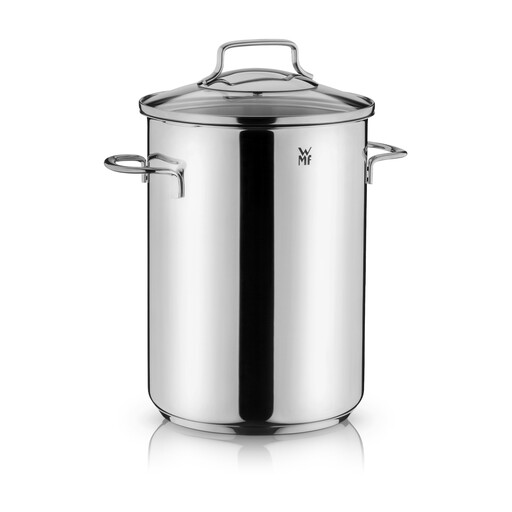
WMF Tall Asparagus Pot with Glass Lid, 16 cm
Why This Fits Their Persona: Ideal for anyone who wants to perfectly cook asparagus, as well as pasta or vegetables. The special shape and wire insert allow the delicate asparagus tips to be gently cooked in steam.
The pot features a TransTherm universal base. This proven sandwich base technology prevents warping and ensures excellent, energy-efficient heat conduction on all types of hobs, including induction.
Thoughtful design with a wire insert for asparagus and pasta. Made from durable Cromargan 18/10 stainless steel.
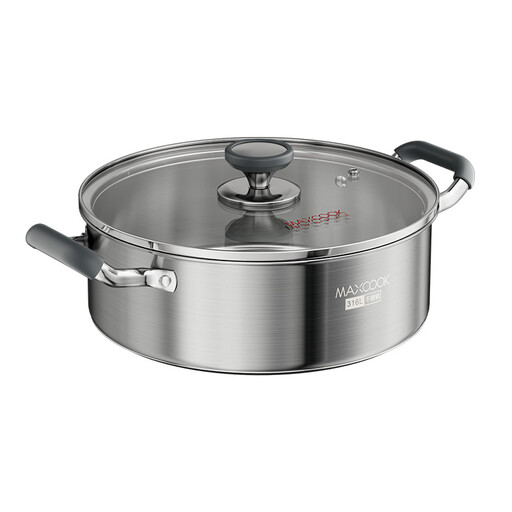
Maxcook 316L Stainless Steel Hot Pot 30cm with Glass Lid
Why This Fits Their Persona: Perfect for cooks who value the highest material quality and durability. The 316L material offers superior corrosion resistance, ideal for intensive use and acidic foods.
This pot avoids the material trap with its clear specification of 316L stainless steel. The heat-conducting composite base also ensures a stable, flat surface and efficient heat distribution.
Increased corrosion resistance thanks to 316L steel. According to the manufacturer, the right-angle design increases capacity by 30% compared to round pots.
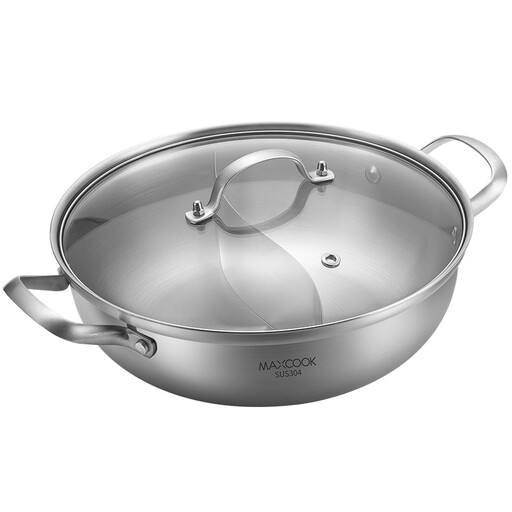
Maxcook 3-Layer 304 Stainless Steel Dual-Flavour Hot Pot - 32cm
Why This Fits Their Persona: The perfect solution for hot pot nights or soup buffets where different tastes come together. The divider allows for the preparation of two different broths (e.g., spicy and mild) in one pot.
This is a purpose-built Hot Pot that solves a specific problem. The 3-layer construction of SUS304 stainless steel ensures stable and even heat distribution across the large diameter, which optimises induction performance.
Integrated S-shaped divider for two flavours. Generous 32 cm diameter and 4.6 L capacity, ideal for multiple people.
Looking for More Options?
We've compiled a complete, up-to-date list of products that fully meet these strict selection criteria and rigorous safety regulations.
Frequently Asked Questions (FAQ)
1. How can I tell if a stainless steel pot is truly suitable for my induction cooktop? The easiest method is the magnet test: hold a magnet to the bottom of the pot. If it sticks firmly, the pot is generally suitable for induction. For optimal performance, the diameter of the magnetic base should also match the size of your cooking zone. You can find this information in the product specifications.
2. What do the numbers 18/10 or 18/8 mean for stainless steel? These numbers describe the ratio of the alloy components chromium and nickel. 18/10 stainless steel (usually corresponding to Type 304) contains 18% chromium for rust resistance and 10% nickel for shine and acid resistance. 18/8 is very similar. Both are considered high-quality standards for cookware.
3. How do I properly care for my stainless steel pot to prevent discolouration? Rainbow-like discolouration is often caused by overheating or minerals in the water and is not a health concern. It can be easily removed with a cloth soaked in vinegar or lemon juice. To avoid water spots, dry the pot immediately after washing instead of letting it air dry. Avoid aggressive scouring agents to prevent scratching the surface.