
Soup Base Guide: How to Find the Right Seasoning Base for Your Palate
A high-quality soup base is the cornerstone of countless dishes, from an authentic Asian hot pot to a classic vegetable broth. It saves time and guarantees intense flavour without hours of simmering. However, the selection is vast, and not every product delivers on its promise. Many home cooks end up with products that are disappointing in taste or have an ingredient list that raises more questions than it answers.
Before you buy your next seasoning base, you should be aware of two common pitfalls that often lead to purchase regret:
- The "Authenticity" Trap: A product marketed as "authentic" doesn't guarantee genuine flavour. This label often conceals overly salty formulas or artificial flavourings that fail to do justice to the subtle nuances of a traditional broth or dashi.
- Misleading Versatility: Some products, especially intense hot pot bases, are so overpowering in flavour that they are unsuitable for other uses, like seasoning sauces or marinades. This severely limits their utility in the kitchen.
This guide will help you navigate these issues and find a soup base that truly fits your needs.
What to Look For: The Decisive Factors
To make the right choice, it's helpful to understand the fundamental characteristics of a soup base. Pay attention to the following three points before making a purchase.
1. Type of Base: Broth, Stock, Dashi, or Bouillon?
The terminology on packaging can be confusing. Here are the key differences that determine flavour and use:
- Broth and Bouillon: These terms are often used interchangeably. A broth (e.g., chicken broth or vegetable broth) is a clear liquid made by simmering meat, bones, or vegetables. Bouillon is typically the concentrated or dried form of broth, often available as a powder or in stock cubes. It serves as a universal seasoning foundation.
- Stock (Fond): A stock is more complex and concentrated than a broth. It is made by simmering bones, vegetables, and herbs for a long time, often until the liquid reduces to a gel-like consistency. It forms a rich base for sauces and sophisticated soups.
- Asian Soup Bases: This category offers a wide variety. A Japanese broth like dashi is usually based on kombu seaweed and bonito flakes, delivering a subtle umami flavour. A Korean soup base might be based on fermented soybean paste (doenjang), while a hot pot base is often a complex blend of spices, herbs, and oils.
2. Ingredient List and Nutritional Information
A quick look at the back of the package reveals more than any marketing claim.
- Order of Ingredients: Ingredients are listed by weight. If salt or sugar is at the top of the list, it's a sign of a lower-quality formula. Look for products where the primary ingredients (e.g., mushroom powder, tomato paste, chicken extract) are listed first.
- Additives: Flavour enhancers like monosodium glutamate (MSG, E621) are not inherently bad and occur naturally in many foods. However, a very long list of additives may indicate that the flavour is primarily artificially created.
- Salt Content: Compare the salt content per 100g or 100ml. This can be very high, especially in concentrated pastes or powders. You should account for this in your cooking to avoid over-salting your dish.
3. Form and Concentration
Soup bases come in various forms, which differ in handling and storage:
- Powder and Granules: Easy to portion, long-lasting, and space-saving. Ideal for the pantry.
- Cubes: Pre-portioned and convenient for a specific volume of liquid.
- Paste and Concentrate: Often more flavour-intensive and with a richer texture. Once opened, they usually need to be refrigerated and used up quickly.
- Liquid Broth/Stock: Ready-to-use and requires no further preparation. Ideal when you're short on time, but also bulkier to store.
Top Picks by Use Case
Here are some recommendations tailored to different cooking habits and preferences.
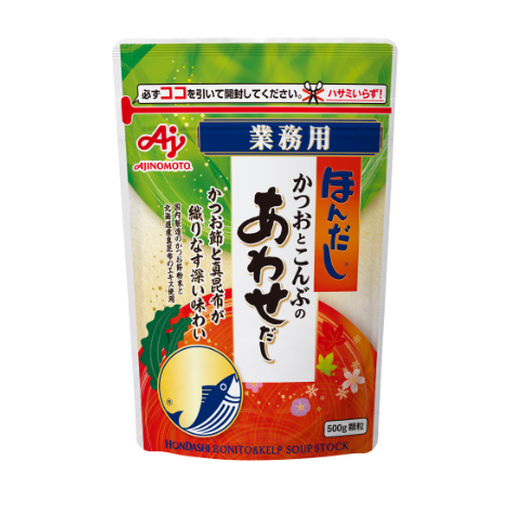
Ajinomoto HONDASHI Katsuo and Konbu 500g
Why This Fits Their Persona: Ideal for anyone seeking the authentic umami flavour of Japanese cuisine. This dashi base is the foundation for miso soup, noodle broths (udon/soba), and stews.
This product avoids the "authenticity" trap by relying on real bonito flakes and kelp extract, not just artificial flavourings. The taste is well-balanced and not overly salty.
Versatile Japanese Base: Perfect for soups, sauces, and stews. Bulk Size: The 500g package is economical and offers great value for money for frequent users.
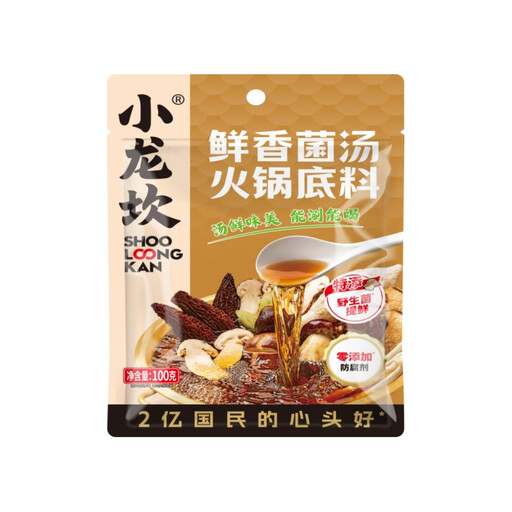
Shoo Loong Kan Hot Pot Broth Base 100g
Why This Fits Their Persona: For hot pot aficionados who want to create a restaurant-quality experience at home. This base offers a complex, earthy umami flavour specifically developed for hot pot.
Although specialised, this product avoids the trap of limited versatility, as it can also be used as a robust base for noodle soups or braised dishes.
Complex Mushroom Blend: Made from shiitake, king oyster, and enoki mushrooms for a deep flavour. Authentic Sichuan Recipe: Brings the genuine taste of Chengdu hot pot to your home.
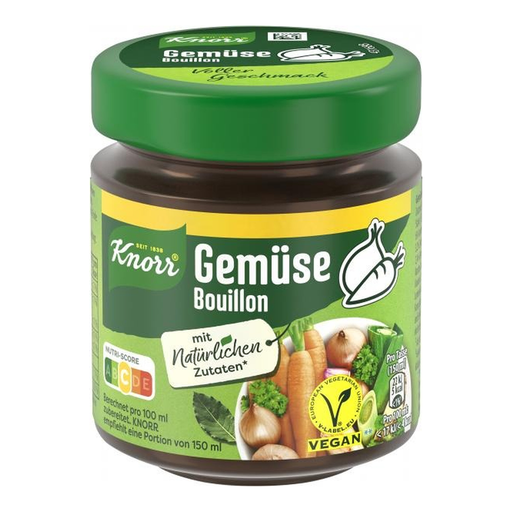
Knorr Vegetable Broth 100g
Why This Fits Their Persona: A reliable all-rounder for families and anyone who needs a universal seasoning base for soups, sauces, stews, or for cooking rice and pasta.
This product is intentionally designed as a versatile base, avoiding the trap of an overpowering flavour. It enhances the natural taste of dishes rather than masking it.
Purely Plant-Based: Suitable for vegetarian and vegan dishes. Easy to Portion: The granulated powder in a jar is easy to portion as needed and store.
Looking for More Options?
We have compiled a complete, up-to-date list of products that fully meet these strict selection criteria and comply with UK food regulations.
Frequently Asked Questions (FAQ)
1. How do I properly store an opened soup base?
Proper storage depends on the form. Powders, granules, and cubes should be kept in an airtight container in a cool, dry place to prevent clumping. Pastes and liquid concentrates belong in the refrigerator after opening and should be used within the manufacturer's recommended timeframe.
2. Can I use a soup base to season other dishes?
Yes, absolutely. Many soup bases are excellent as a seasoning agent for other foods. A vegetable broth can enrich the cooking water for rice or pasta. A dashi base adds a subtle umami note to marinades for fish or meat. A small amount of a hot pot base can give a pan sauce an interesting depth.
3. What is the difference between broth, stock, and bouillon?
Although the terms are often used interchangeably, there are technical differences. A broth is the simple liquid from simmering vegetables or meat. A stock is a more intense base, often created through reduction, by simmering bones and vegetables for a long time. Bouillon usually refers to the dried and concentrated form of a broth, sold as a powder or cube.