
Smartwatches with Built-In Blood Pressure Monitoring
The search for a suitable smartwatch with blood pressure monitoring can quickly become overwhelming. The market is flooded with models promising a wide array of health functions. However, not all of them deliver on their advertising claims. As a Joybuy Product Recommendation Officer, I'm here to help you understand the key features and avoid common purchasing traps, so you can make an informed decision.
What to Watch Out For: 3 Common Pitfalls When Buying
Before you decide on a model, it's crucial to critically examine common marketing promises. Many disappointments can be avoided by being aware of the following points:
- Misleading Health Claims: Many manufacturers promote blood pressure monitoring as a medical-grade feature. In reality, most smartwatches use optical sensors (PPG) that only estimate blood pressure and do not measure it with the precision of a certified medical device. These values are intended for general guidance and trend monitoring, but they are by no means a substitute for a professional medical measurement.
- Unrealistic Battery Life: Claims like "30-day standby" are often theoretical maximums. In daily use—with heart rate monitoring, GPS, and the display activated—the actual battery life is significantly shorter. A smartwatch with long battery life should offer at least 5–7 days of use under realistic conditions.
- Poor Software and Compatibility: A great smartwatch is only as good as its companion app. A confusing, buggy, or infrequently updated app can severely degrade the user experience. Always check for full compatibility with your smartphone's operating system (iOS or Android).
Key Criteria for Your Selection
To find the right device, focus on the technical specifications that are genuinely relevant to your needs.
Sensor Technology and Measurement Features
The core of any health watch is its sensors.
- Blood Pressure and Heart Rate Monitoring: Most watches use photoplethysmography (PPG), where green LED light is shone onto the skin to measure blood flow. Heart rate and blood pressure trends are then derived from this data.
- Blood Oxygen Saturation (SpO2): A health watch with blood oxygen (SpO2) measurement is now a standard feature. It provides insight into your body's oxygen supply, which can be particularly useful during exercise or for monitoring sleep quality.
- ECG Function: Some more advanced models offer an ECG smartwatch function. This can provide indications of your heart rhythm but should also be understood as a wellness feature, not a tool for medical diagnosis.
- Other Measurements: Future technologies like non-invasive blood glucose monitoring (
smartwatch blood sugar without pricking) are still in the experimental stage. Current models offering such features provide only trend estimations and are not a substitute for laboratory-grade measurements.
Battery Life and Water Resistance
Practical features are crucial for daily use.
- Real-World Battery Life: Pay attention to the stated battery capacity in mAh and the manufacturer's typical usage time, not just the standby time. A long battery life saves you from the hassle of daily charging.
- Water Resistance: A sports watch should be certified at least IP67 or IP68. IP67 signifies protection against temporary immersion, while IP68 offers protection against continuous immersion. For swimmers, ratings like "5 ATM" are relevant, ensuring protection up to a depth of 50 metres.
Connectivity and Extra Features
Modern smartwatches are more than just fitness trackers.
- Calling Function: A smartwatch with a calling function allows you to make and receive calls directly from your wrist. This is especially convenient during sports or when your smartphone isn't within reach.
- Compatibility: Ensure the watch is fully compatible with your smartphone's operating system (Android or iOS) to use all features like notifications and data synchronisation.
Featured Recommendations for You
Here are a few recommendations tailored to different needs and priorities.
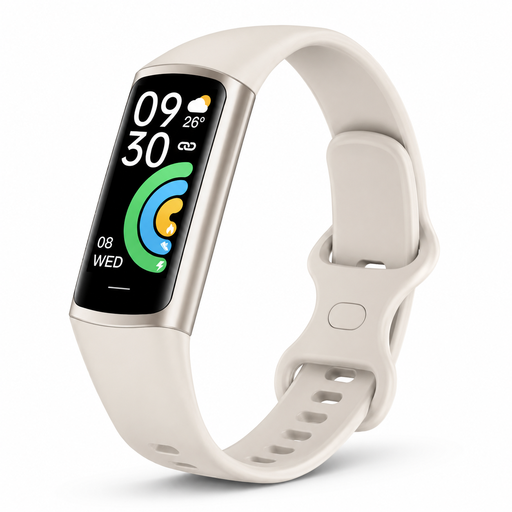
VoxorAI C68 Starlight Color Watch/Bracelet
Why This Fits Their Persona: Ideal for users who want to monitor basic health data like heart rate, blood pressure trends, and blood oxygen without unnecessary complexity. A solid entry-level model for both men and women.
This model focuses on core functions and avoids exaggerated promises. It provides clear guidance for daily well-being without claiming to be a medical device.
Offers basic health monitoring (heart rate, blood pressure, SpO2, temperature). Long standby time of up to 30 days, according to the manufacturer.
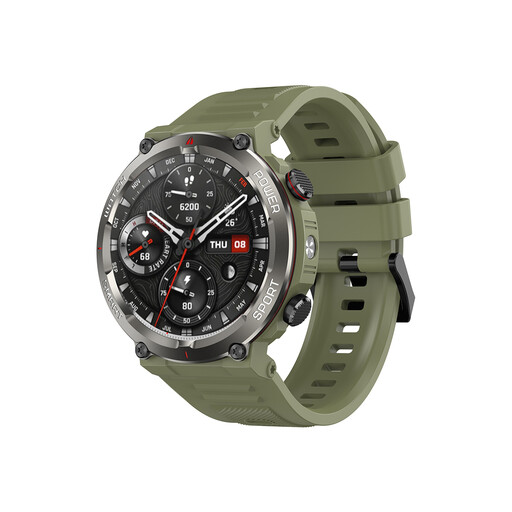
Blackview W50 Pro Smartwatch
Why This Fits Their Persona: Perfect for users seeking a reliable fitness watch for men and women with maximum independence from the charger. The combination of long battery life and a calling function makes it an ideal companion for work and travel.
This model sidesteps the unrealistic battery life trap by offering a very high battery capacity (960 mAh), which the manufacturer claims allows for up to 30 days of normal use. This is a practical, real-world value.
Outstanding battery life, integrated Bluetooth calling, and over 100 sports modes. The 24/7 monitoring of heart rate and SpO2 provides continuous data.
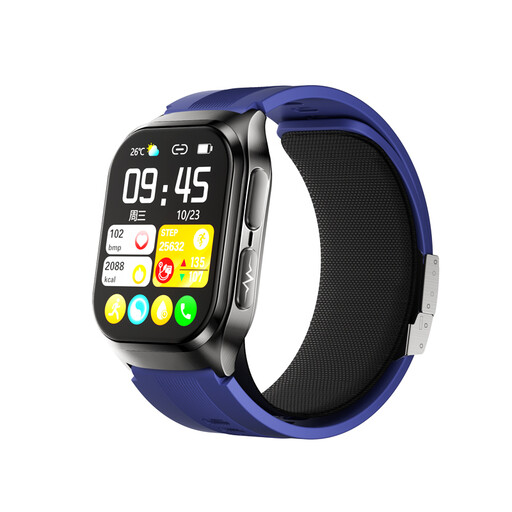
Smartwatch dido G80S Pumping-Type Health Monitoring
Why This Fits Their Persona: For users interested in advanced health metrics who want to leverage the latest technological capabilities for trend analysis, including ECG and estimations for blood glucose, uric acid, and lipids.
This model clearly positions itself as a wellness product. The product description explicitly states that it is not a medical device and that the measurements serve only as trend estimations. This avoids the pitfall of a false sense of security.
Offers a wide range of health-tracking functions, including ECG and trend monitoring for various metrics. The "Pumping-Type" measurement represents an innovative approach.
Looking for More Options?
We have compiled a complete, real-time updated list of products that fully meet these strict selection criteria and relevant regulations.
Frequently Asked Questions (FAQ)
1. How accurate is blood pressure measurement on a smartwatch? The blood pressure measurement on most smartwatches is based on optical PPG sensors. This technology estimates blood pressure based on changes in blood volume in the capillaries of the wrist. Accuracy can be affected by factors such as skin tone, watch fit, and movement. The values serve as a reference for observing trends over time but are not comparable to the precision of a clinical measurement with an upper-arm cuff.
2. Can a smartwatch replace a medical blood pressure monitor? No. A smartwatch is a wellness product, not a certified medical device. Its measurements are not intended for the diagnosis, treatment, or management of conditions like hypertension. Individuals who need to monitor their blood pressure for medical reasons should exclusively use medically validated devices and consult regularly with a doctor.
3. What should I look for in the water resistance of a sports watch? Water resistance is often indicated with IP ratings (e.g., IP68) or in ATM (atmospheres).
- IP67/IP68: Protects against dust and water. IP68 typically offers protection during continuous immersion in fresh water up to a depth specified by the manufacturer (usually 1.5 metres for 30 minutes). This is sufficient for rain, hand washing, and showering.
- ATM: A rating like "5 ATM" means the watch can withstand pressure equivalent to a 50-metre water column. Such watches are generally suitable for swimming in pools or the ocean but not for high-speed water sports or diving. Always check the manufacturer's exact specifications.