
Smartwatch Buyer's Guide: Find Your Perfect Match
By: Joybuy Product Recommendation OfficerDate: July 28, 2026
The smartwatch market is crowded. Countless models advertise a long list of features, but not all of them deliver on their promises. Many users invest in a device that ends up in a drawer after just a few months because it fails to meet their expectations. Before you make a decision, it's crucial to understand the common pitfalls that often lead to disappointment.
This guide will help you distinguish marketing promises from real-world performance and find a watch that truly fits your needs.
The 3 Most Common Pitfalls of Buying a Smartwatch
The selection can be overwhelming, and certain marketing tactics often lead to poor purchasing decisions. Pay special attention to these three points:
- Inaccurate Fitness Tracker Instead of a Precision Device: Many budget-friendly models advertise features like continuous heart rate monitoring or blood oxygen tracking (SpO2). In practice, the built-in sensors are often low-quality and provide unreliable or wildly fluctuating data. For users who are serious about monitoring their health and athletic performance, such devices are unsuitable.
- Misleading Battery Life Claims: An advertised battery life of "up to 14 days" is often only achievable in standby mode without active use of GPS, notifications, or continuous tracking. In real-world daily use, with GPS enabled for a
running watchand regular notifications, the actual usage time can shrink to just one or two days. - Hidden Costs from Subscriptions: Some core features, particularly detailed analytics, personalised training plans, or long-term data evaluation, are locked behind a paid subscription by some manufacturers. This information is not always transparent at the time of purchase and leads to unexpected monthly expenses.
What Really Matters: The Decisive Parameters
To avoid a bad purchase, you should focus on the technical fundamentals that determine a smartwatch's performance.
1. Sensor Quality for Precise Tracking
The heart of any smartwatch or fitness tracker is its sensors. There are significant differences in quality.
- Heart Rate Monitoring: Optical sensors are standard today. High-quality models use multiple LEDs and photodiodes to increase accuracy and reduce interference from movement. This is a critical criterion for ambitious athletes who want to precisely manage their training zones.
- GPS Accuracy: A basic
GPS watchuses a single satellite system. Advanced sports watches use Multi-Band GNSS (e.g., GPS, GLONASS, Galileo simultaneously), which enables significantly more precise and reliable positioning in challenging terrain like dense forests or urban canyons.
2. Battery Life Under Real-World Conditions
A long battery life is a key criterion for many users. Check the technical specifications for battery life details under different scenarios:
- Smartwatch Mode: Refers to typical daily use with notifications, occasional tracking, and activated health functions.
- GPS Mode: Indicates how long the watch lasts with continuous GPS recording, which is relevant for runners, hikers, or cyclists.
- Power Saver Mode: Reduces functionality to the bare essentials to maximise battery life.
An always-on display and continuous sleep tracking or SpO2 monitoring are also significant power drains.
3. Compatibility and Everyday Features
A smartwatch is only as useful as its software and its integration into your daily life.
- Operating System: Check if the watch is fully compatible with your smartphone (iOS or Android). Some features may be limited to specific operating systems.
- Payment Function: Contactless payment via NFC (
with payment function) is a convenient feature. Make sure the watch's service (e.g., Google Wallet, Garmin Pay) is supported by your bank in your region. - Health Features: Functions like an
ECGapp for detecting signs of atrial fibrillation are certified as medical devices and offer real value, but they are not available on all models.
Products Matched to You
We have identified models that are suitable for different requirement profiles in the UK and Europe based on their objective features.
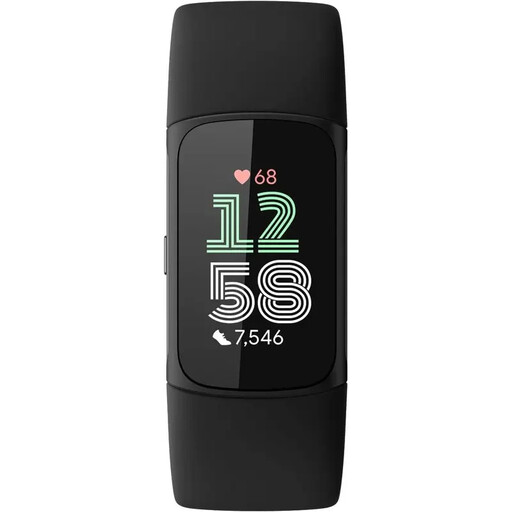
Google Fitbit Charge 6 Activity Tracker Obsidian/ Black
Why it's a good fit: Ideal for users looking for a reliable everyday companion. It combines comprehensive health tracking with practical smart features like Google Maps and Wallet, without being overloaded with superfluous functions.
Fitbit's established sensor technology delivers reliable data for heart rate and sleep. The battery life of up to 7 days is realistic for daily use. The subscription model is made transparent with the included 6-month Premium membership.
Offers integrated GPS, an ECG app, and contactless payments. The seamless integration of Google services is a clear bonus for Android users.
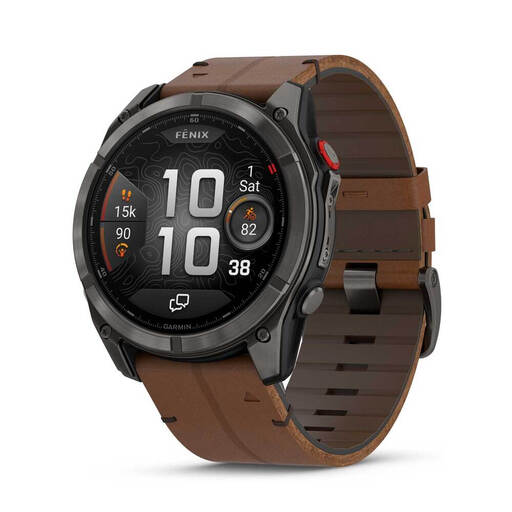
Watch Garmin Fenix 8 Pro Amoled Sapphire GPS 51mm
Why it's a good fit: Designed for demanding athletes and outdoor enthusiasts who depend on maximum precision, durability, and an extremely long battery life. A professional sports watch for all disciplines.
It sidesteps the battery trap with up to 27 days of life in smartwatch mode. The Multi-Band GNSS ensures top-tier GPS accuracy and prevents unreliable tracking. All core analysis features are available without a subscription.
Extremely rugged design with a titanium bezel and sapphire crystal. Pre-loaded TopoActive maps for navigation and over 80 sports apps. The integrated LED flashlight is a practical safety feature.
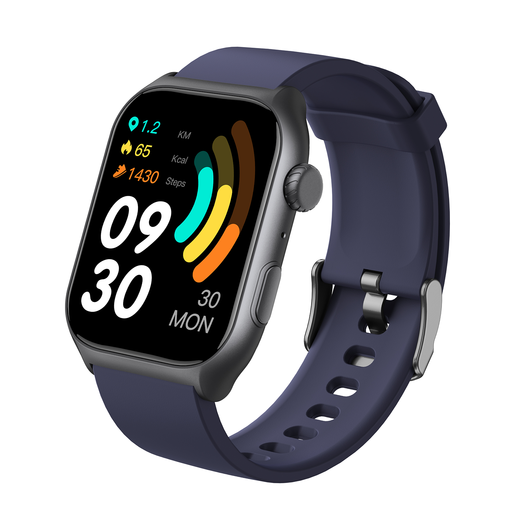
FITTEK Smart Watch GTS7 Pro, Black
Why it's a good fit: A great choice for anyone wanting to try out the world of smartwatches without a large investment. It offers a wide range of functions to help you discover which features are truly useful in your daily life.
This model focuses on a transparent feature set with no hidden subscription costs. The stated battery life of up to 10 days is solid for this price point and avoids setting unrealistic expectations.
With Bluetooth calling and over 100 sports modes, it offers features often reserved for more expensive devices. Its IP68 water resistance makes it durable enough for everyday use.
Looking for more options?
We have compiled a complete, up-to-date list of products that fully meet these strict selection criteria.
Frequently Asked Questions (FAQ)
How accurate is the heart rate monitoring on a smartwatch?
The accuracy of optical heart rate monitoring on the wrist has improved significantly. For most everyday and endurance activities like running or cycling, high-quality watches from brands like Garmin or Fitbit provide reliable data. For activities with rapid, intense changes in exertion (e.g., interval training) or strong wrist movements, an external chest strap can deliver more precise results.
Do I need a subscription for my smartwatch?
Not necessarily. Basic functions like time display, notifications, step counting, and fundamental activity tracking are available on all models without a subscription. However, some manufacturers offer premium subscriptions that unlock advanced analytics, guided workouts, or personalised health insights. Before buying, check which features are essential for you and whether they are included in the standard package.
What does the "5 ATM" rating mean on a water-resistant watch?
The ATM (atmospheres) rating describes water resistance. A watch with a 5 ATM rating is protected against pressure equivalent to a depth of 50 metres. This means it is suitable for washing hands, showering, and swimming in shallow water. For high-speed water sports or diving, watches with a higher rating (e.g., 10 ATM) are required. Models that are only classified as water-resistant to IP68 are generally not suitable for swimming.