
Smart Water Detectors: A Technical Analysis for 2026
Water damage is one of the most common and costly issues affecting residential buildings. A faulty washing machine connection, a leaky pipe in the basement, or an unnoticed pipe burst can have significant financial and structural consequences. A Smart Water Detector is a compact device designed for the early detection of water leaks. By sending an instant notification to your smartphone, it helps prevent major damage. This article analyses the technical criteria for selecting a suitable device and presents a selection of models for 2026.
Buyer's Guide: What to Look for in a Smart Water Detector
The choice of a suitable Water Leak Sensor depends on several technical parameters. An informed decision should be based on compatibility with your existing tech, the type of alert, and the specific environmental conditions at the installation site.
1. Connectivity and System Integration
Integration into a smart home system is the core feature of an intelligent water detector. Communication typically occurs via wireless standards, each with different requirements:
- Zigbee/Sub-1G: These wireless protocols are energy-efficient and known for their stable connections. Devices using these standards usually require a central control unit, known as a Hub or bridge. This hub connects to your home's Wi-Fi router, enabling communication with your smartphone. A Wireless Water Monitor based on this technology is often part of a larger ecosystem (e.g., Aqara, eufy, Philips Hue).
- Wi-Fi: Some models connect directly to your Wi-Fi network, which simplifies installation as no separate hub is needed. However, this can reduce battery life and limit the range in large or complex buildings.
Before purchasing, check for compatibility with your existing systems, such as Apple HomeKit, Google Assistant, Amazon Alexa, or specific manufacturer apps (e.g., Tapo, eufy Security, Aqara Home).
2. Alert Mechanisms
An effective water alarm provides alerts in multiple ways:
- Local Alarm: An integrated audible alarm (siren) warns anyone on-site. The volume is measured in decibels (dB). Levels around 80–90 dB are common and easily audible even in noisy environments.
- App Notification: The most critical feature of a water sensor with an app is the real-time push notification sent to your smartphone. This ensures you are immediately informed of a leak, even when you are away.
- Automated Actions: In a connected smart home, the water detector can trigger other actions. For example, a solenoid valve connected to a smart plug can automatically shut off the water supply as soon as the sensor detects water.
3. Sensors and Additional Features
The primary function is water detection. Most sensors use metal contacts on their underside for this purpose. As soon as water bridges these contacts, the alarm is triggered. Some models offer higher sensitivity, reacting to a film of water less than a millimetre deep.
Additional sensors enhance its utility:
- Freeze Detector: An integrated temperature sensor can send an alert if the ambient temperature drops below a critical level (e.g., freezing point). This is particularly useful as a pipe burst detector to prevent damage in unheated areas like basements, garages, or holiday homes.
- Humidity Sensor: Some devices also measure relative humidity and can warn of levels that encourage mould growth.
4. Protection Rating and Power Supply
Since leakage sensors are placed in potentially damp environments, their durability is crucial. The IP rating indicates how well a device is protected against the ingress of foreign objects and water. An IP67 rating means the device is dust-tight and can withstand temporary immersion in water (up to 1 metre deep for 30 minutes). This ensures it remains functional even during a major water leak.
Most smart water detectors are battery-powered to allow for flexible, wire-free placement. Pay attention to the stated battery life (often 1–2 years) and the battery type (e.g., CR2032, CR2450) to estimate running costs.
Our Selection of Smart Home Water Detectors for 2026
Based on the technical criteria mentioned, we present three models that cover different needs.
Tapo T300 Smart Water Leak Sensor
-
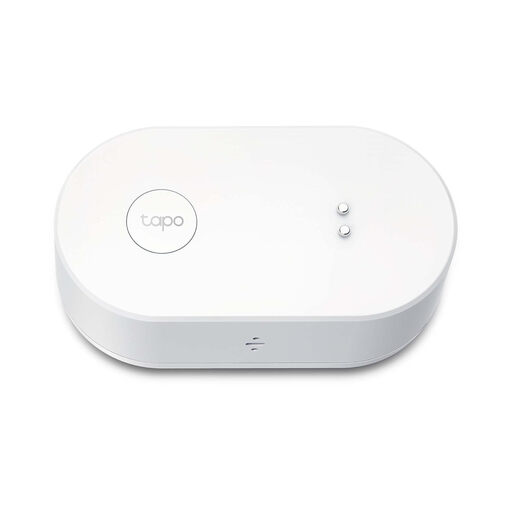
Why we're highlighting this product: The Tapo T300 stands out for its exceptionally loud 90 dB local alarm and its dual-sensor design. It features sensors on both the bottom and top to detect standing and dripping water. This enhances detection reliability.
-
Pros:
- Very loud audible alarm (≥ 90 dB)
- Dual sensors for detecting floor leaks and drips
- High protection rating of IP67
- Integration into the Tapo ecosystem for smart automations
- Long battery life of up to 24 months
-
Best for: Users who are already in the TP-Link Tapo ecosystem or are looking for a flood detector with a very loud, deterrent alarm for use in the basement or near a washing machine. A Tapo Hub (H100/H200) is required for operation.
AQARA Water Leak Sensor T1
-
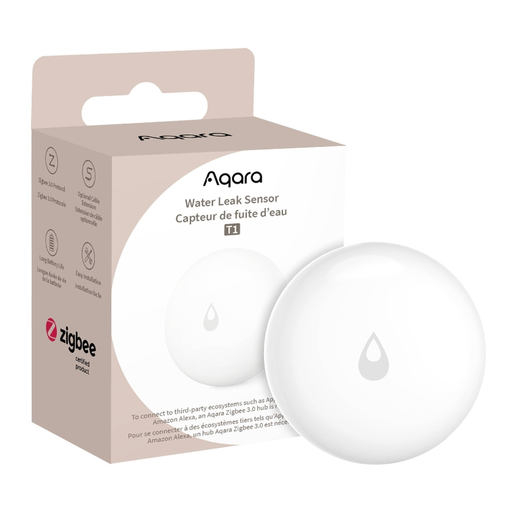
Why we're highlighting this product: The Aqara T1 impresses with its high sensitivity, triggering an alert at a water level of just 0.5 mm. Its strength lies in its broad compatibility with numerous smart home platforms, including Apple Home (with critical alerts), Samsung SmartThings, and Matter, making it a flexible choice for advanced smart home users.
-
Pros:
- High sensitivity (triggers at a 0.5 mm water level)
- Comprehensive compatibility (Apple Home, SmartThings, Alexa, Google Home, Matter)
- Supports OTA (Over-the-Air) updates for future feature enhancements
- IP67 protection rating and UV-resistant casing
- Option to extend the sensor area with external cables
-
Best for: Smart home enthusiasts who want seamless integration into existing, cross-platform systems and value high precision and future-proofing through standards like Matter. A compatible Aqara Hub is required.
eufy Security Water and Freeze Sensor
-
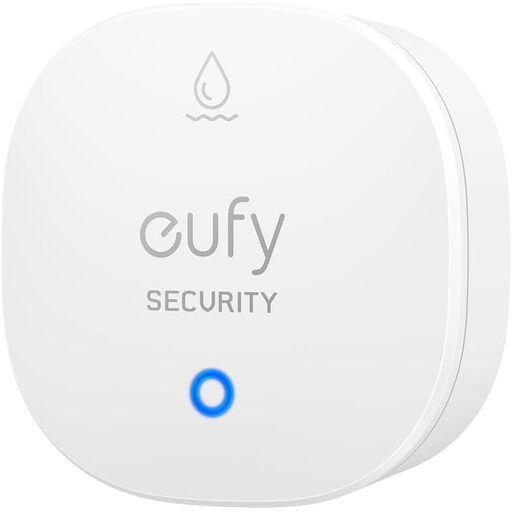
Why we're highlighting this product: This model from eufy combines water detection with a freeze alert function. It not only alerts you to leaks but also when the temperature drops below freezing. Communication with the HomeBase via the Sub-1G frequency band ensures an exceptionally long-range and stable connection.
-
Pros:
- Combined Water Leak Sensor and Freeze Detector
- Stable and long-range Sub-1G connection to the HomeBase
- Long battery life of up to 2 years
- Easy setup and management via the eufy Security app
- IP65 protection rating (protected against water jets)
-
Best for: Homeowners who want to protect unheated areas like basements, garages, or holiday properties not only from water but also from frost damage and potential pipe bursts. A eufy HomeBase (S380 or S280) is required for operation.
Discover More Options
If the models presented here don't exactly meet your needs, or if you're looking for devices with different specifications, you can find a wider selection in our Water Sensor category.
Frequently Asked Questions (FAQ)
1. Does every smart water detector need a bridge or hub? No, not all of them. Models that use wireless standards like Zigbee or Sub-1G typically require a manufacturer-specific hub to act as an intermediary to the Wi-Fi network. There are also Wi-Fi water detectors that connect directly to your router, but these often have a shorter battery life. Hub-based systems usually offer a more stable connection and greater range.
2. Where should a water leak sensor be placed? Place the sensor at the lowest points in high-risk areas, as this is where water will collect first. Typical locations include:
- Under the sink in the kitchen and bathroom
- Next to the washing machine or dishwasher
- In the boiler room or near the hot water heater
- In basements with a risk of flooding
- Under aquariums or waterbeds
3. How does a water sensor with an app work? A water sensor with an app has sensor contacts on its underside. When water touches these contacts, it completes an electrical circuit. The sensor registers this and sends an alarm signal via its wireless module (e.g., Zigbee, Wi-Fi) to the connected hub or directly to the Wi-Fi router. The hub or router then forwards this information over the internet to the manufacturer's server, which in turn sends a push notification to the app installed on your smartphone. Simultaneously, a local audible alarm can be triggered on the device itself or on the hub.