
Buying Seaweed Snacks: A Guide to Making the Right Choice
Anyone looking for an alternative to traditional potato crisps will quickly come across seaweed snacks. The variety is vast, ranging from paper-thin, crispy sheets to marinated, chewy strips. However, there are a few pitfalls to watch out for when buying that can lead to disappointment. Incorrect expectations about texture or an unexpectedly high salt content are common issues. This guide will help you identify the key features and make the right choice.
Common Pitfalls When Buying Seaweed Snacks
- The "Health Trap": Many products are advertised as a healthy snack alternative. However, a look at the ingredients list often reveals a high salt content or the use of palm oil. A snack marketed as "light" can contain more calories than expected due to deep-frying and intense seasoning.
- Incorrect Texture Expectations: A common mistake is assuming all seaweed snacks are equally crispy. Buyers expecting crispy seaweed crisps are often disappointed when they receive a product like marinated kelp, which has a chewy and firm texture. The type of seaweed and the preparation method are crucial here.
- Snack vs. Ingredient Confusion: Not every seaweed product on the shelf is a ready-to-eat snack. Some packages contain unsalted nori sheets for sushi, which are primarily intended as a cooking ingredient. Anyone expecting a seasoned umami snack will be surprised by the neutral taste.
What to Look for Before You Buy: The Key Parameters
To avoid the issues mentioned above, you should check three essential aspects before making a decision. These will give you insight into the product's taste, texture, and intended use.
1. Seaweed Type: Nori vs. Kelp
The type of seaweed is the main determinant of the snack's texture. The two most common types are Nori and Kelp.
- Nori (Genus Pyropia): These are the familiar, paper-thin seaweed sheets. They are typically roasted, which gives them a very light, crispy, and almost melt-in-your-mouth texture. Most Korean seaweed snacks are based on nori and are often available in various flavours like wasabi, teriyaki, or simply salted.
- Kelp (Genus Laminaria): Kelp is significantly thicker and more substantial. Products like Wei Long Kelp are not roasted but marinated. The result is a chewy, firm snack with an intense, often spicy-sour flavour reminiscent of pickled vegetables.
2. Preparation Method and Seasoning
The preparation method has a direct impact on the nutritional value and flavour profile.
- Roasted: Roasted seaweed snacks are the lighter option. They are heated with little to no oil, which enhances their natural crispiness.
- Deep-Fried: Some brands, such as Taokaenoi, deep-fry their seaweed sheets, giving them an even more pronounced, crisp-like crunch. However, this usually results in a higher fat and calorie content.
- Seasoning: The spectrum ranges from simple salting to complex flavours. Spicy Asian snacks often use chilli, Szechuan pepper, or wasabi. For a deep, savoury aroma, ingredients like soy sauce, miso, or yeast extract are used to create the characteristic umami snack taste.
3. Ingredients List and Nutritional Information
A quick look at the back of the packaging is essential. Pay attention to the following points:
- Type of Oil: Various oils are used, such as rapeseed, sunflower, sesame, or palm oil.
- Salt Content: The salt content can vary significantly. Comparing the nutritional tables per 100g helps to put it into perspective.
- Additives: Flavour enhancers like monosodium glutamate (MSG, E621) are found in many savoury snacks. If you want to avoid them, look for products with shorter ingredient lists.
Product Recommendations for Different Flavour Profiles
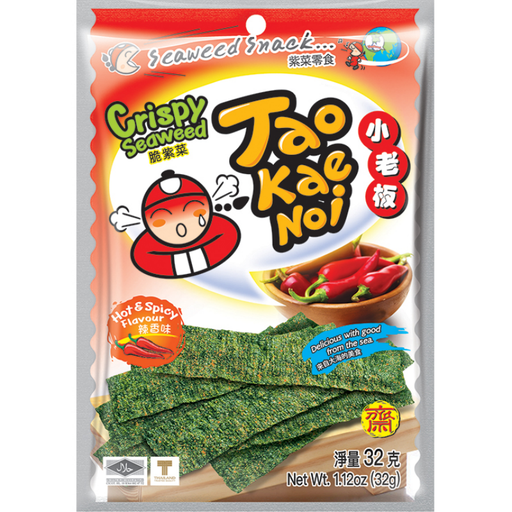
Taokaenoi Crispy Seaweed Hot & Spicy 32g
Why This Fits Their Persona: Ideal for anyone seeking an authentic, spicy Asian snack that goes beyond mild seasoning. The combination of deep-fried crispiness and a distinct chilli note delivers an intense flavour experience.
This product avoids the "bland seasoning" trap. The ingredients list prominently features chilli powder (2%) and delivers the expected heat without making false promises.
Extremely crispy texture from being fried in palm oil; clear and present heat from chilli and white pepper.
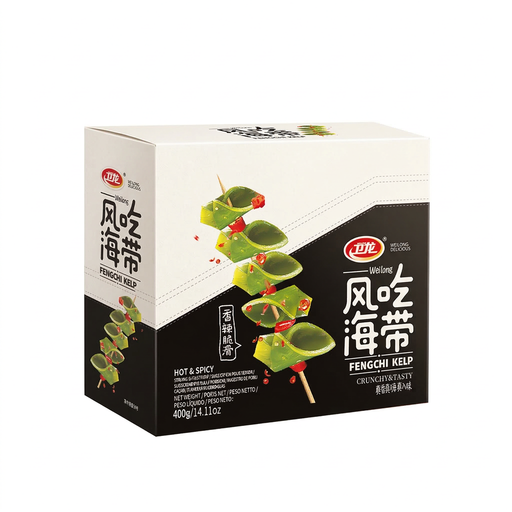
Wei Long Wind-Eaten Kelp 400 g (Contains 20 Packs)
Why This Fits Their Persona: Perfect for snackers looking for something new beyond crispy snacks. The chewy, substantial texture of the kelp, combined with a complex, spicy-sour marinade, offers a completely different eating experience.
This product avoids the "incorrect texture" trap. The "Kelp" designation and description clearly indicate a chewy, marinated consistency, so there's no confusion with crispy nori sheets.
Unique, firm-to-the-bite texture; complex seasoning with chilli, Szechuan pepper, and pickled ginger; convenient individual packs.
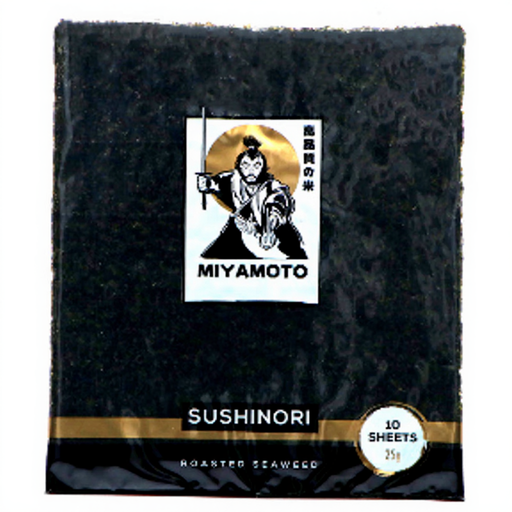
Miyamoto Sushi Nori (Roasted Seaweed) - 10 Sheets
Why This Fits Their Persona: Suitable for those who prefer the pure taste of seaweed or need a high-quality base for homemade sushi and other dishes. These sheets are not designed to be a seasoned snack.
This product bypasses the "snack vs. ingredient" trap. The clear labelling as "Sushi Nori" and the ingredients list (100% seaweed) ensure that buyers know they are getting an unsalted cooking ingredient.
Consists of only one ingredient; versatile for use in sushi, as a topping for soups and rice, or as a pure, unsalted snack.
Looking for More Options?
We have compiled a complete, real-time list of products that fully satisfy these strict selection criteria and UK safety regulations.
Frequently Asked Questions (FAQ)
1. How do I store opened seaweed snacks to keep them crispy?
The crispiness of roasted seaweed snacks quickly deteriorates when exposed to air. After opening, any leftovers should be immediately stored in an airtight container or a resealable bag. Keep the container in a cool, dry place and avoid direct sunlight and moisture, such as near a kettle or stove.
2. Are seaweed snacks a healthy alternative to potato crisps?
That depends heavily on the specific product. In general, roasted seaweed snacks can be a good choice as they often contain fewer calories and less fat than deep-fried potato crisps. Seaweed is also a source of iodine and other minerals. However, a look at the nutritional table is crucial: pay attention to the salt content, the type of oil used, and the sugar content. A snack isn't automatically healthy just because it's made from seaweed.
3. What is the flavour difference between a Korean and a Thai seaweed snack?
Although there are overlaps, certain trends can be identified. Korean seaweed snacks often focus on classic flavours like original (salted), sesame oil, or wasabi. Thai brands like Taokaenoi are known for their bolder and more complex seasonings inspired by Thai cuisine, such as Tom Yum (sour and spicy) or Hot & Spicy.