
Ride-On Digger Buyer's Guide 2026: A Functional Comparison of Models
A ride-on digger, also known as a kid's excavator or sit-on digger, is a toy that simulates the functions of a construction vehicle. It allows children to develop motor skills and hand-eye coordination by operating levers and a shovel. The primary search intent for this toy is transactional, with buyers looking for a durable, safe, and functional model for children, typically between one and five years old. This article analyses the technical criteria to consider when selecting a suitable model.
Buyer's Guide: Technical Selection Criteria for Ride-On Diggers
The selection of a ride-on digger should be based on objective parameters. The following criteria are relevant for making an informed decision.
Material and Construction
The quality of the materials is crucial for durability and safety. Most toy diggers for children are made of plastic. It is important to look for high-quality, non-toxic polypropylene (PP), which offers high resistance to breakage and weathering. For use as a sandbox digger, UV resistance is also advantageous to minimise fading and embrittlement from sun exposure. The construction should feature rounded edges to reduce the risk of injury. A CE marking indicates that the product complies with applicable EU standards.
Age Recommendation and Ergonomics
Manufacturers provide specific age recommendations based on the height, weight, and motor skills of the target group.
- Models for 1-3 years: These are often designed as scoot-along diggers, featuring a lower seat height, a wider wheelbase for enhanced stability, and a simpler lever mechanism. An integrated anti-tip device at the rear of the vehicle is a key safety feature.
- Models for ages 3 and up: These models often offer more complex features, such as a 360-degree rotating body or a dual-lever control for the arm and digger with shovel. The maximum load capacity is typically higher.
The seat height and the position of the controls should be appropriate for the child's size to ensure ergonomic and comfortable use.
Functionality and Operation
The core function of a ride-on digger is its movable shovel. The type of operation varies:
- Single-lever system: Lifts and lowers the digger arm in a combined motion. This is more intuitive for younger children.
- Dual-lever system: Allows for separate control of the digger arm and shovel, which promotes a more realistic play experience and demands greater coordination.
Other functional aspects include the rotatability of the digger body, the type of wheels (for indoor or outdoor use), and additional features like a storage compartment under the seat or a trailer hitch.
Safety Considerations
The maximum load capacity, specified in kilograms, must not be exceeded. A stable, wide base and a low centre of gravity reduce the risk of tipping. The wheels should be suitable for the intended surface to prevent slipping. It is essential to follow the manufacturer's instructions, particularly the requirement to use the toy only under direct adult supervision and on flat, safe surfaces.
Our Top Picks for 2026
Based on an analysis of technical specifications and functional design, we present two models.
1. COSTWAY Kid's Ride-On Digger with Rotatable Digging Bucket - Yellow
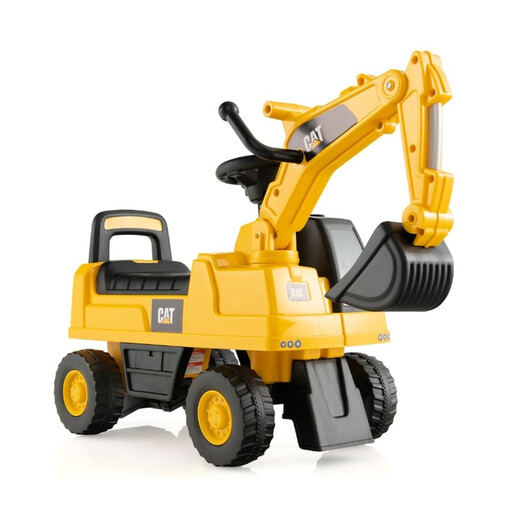
Why we're featuring this product: This model combines the function of a scoot-along digger with that of a simple sandbox digger. The single-lever operation is designed for the motor skills of toddlers. The construction focuses on safety with an integrated anti-tip device and a stable base.
-
Pros:
- Functional digger arm with shovel, operable via a single-lever mechanism.
- Additional play features like a steering wheel with a horn and a storage compartment under the seat.
- Safety features such as a backrest and an anti-tip device.
- Four non-slip wheels, suitable for flat surfaces both indoors and outdoors.
-
Who it's for: This model is designed for toddlers aged 1 to 3. It serves as an excellent entry-level model that combines the functions of a ride-on toy and a simple digger. According to the manufacturer, the maximum load capacity is 25 kg.
2. Vedes 544-10 Seat Excavator Mobby Dig 100
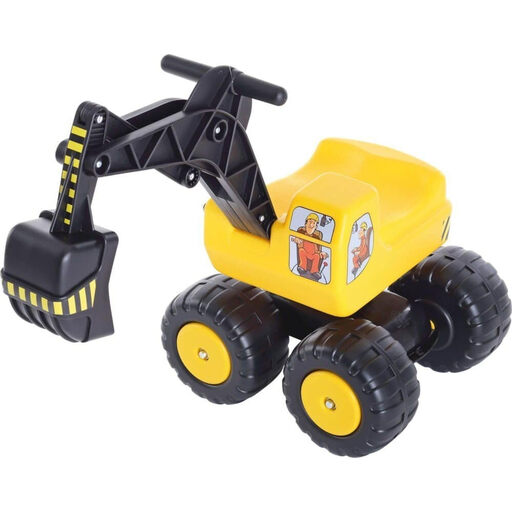
Why we're featuring this product: The Mobby Dig 100 stands out for its high durability and an exceptionally high load capacity of up to 100 kg, which is rare for a toy. The dual-lever control allows for differentiated operation of the digger arm and shovel, creating a more realistic play experience for older children.
-
Pros:
- Very high maximum load capacity of 100 kg, which implies a long service life and high stability.
- Dual-lever control for separate movement of the arm and shovel.
- Laterally rotating body for a wider range of motion.
- Includes a trailer hitch at the rear for expanded play options.
-
Who it's for: This model is aimed at children aged 3 and up who already have more advanced motor skills. Due to its robust construction and high load capacity, it is particularly well-suited for intensive outdoor use, for example, as a dedicated sandbox digger.
Explore More Options
If the models featured here don't perfectly match your requirements, you can find a wider selection of similar products in our Ride-On Toys category. There you will find other variants with different feature sets and designs.
Frequently Asked Questions (FAQ)
1. From what age is a ride-on digger suitable? Suitability depends on the specific model. Simple scoot-along diggers with support features are often suitable from 1 year of age, once the child can sit securely and push off with their feet. More complex models with dual-lever controls are generally recommended for children aged 3 and up, as they require greater coordination.
2. What should you look for in a sandbox digger? For use in a sandbox, the material and construction are critical. The material should be UV-resistant and durable to withstand weathering and the mechanical stress of sand. The joints of the digger arm should be designed so they are not easily blocked by sand. Rinsing with clean water after use is recommended.
3. Can a ride-on digger be used indoors? Yes, many models can also be used indoors. For this purpose, models with plastic wheels are preferable as they won't damage flooring. You should ensure there is enough space and that no hazards like stairs or sharp furniture edges pose a risk.