
Rice Cracker Buying Guide: How to Find the Perfect Crunch
Rice crackers are more than just a light alternative to potato chips. From traditional Japanese senbei to modern savory snacks, the market offers a vast array of options. However, this variety can also be overwhelming. Many products that promise to be "authentic" or "healthy" turn out to be bland disappointments upon closer inspection, or are loaded with hidden sugars and additives.
As your Joybuy Product Recommendation Officer, I'm here to help you navigate the common pitfalls of buying rice crackers. This guide will show you what to look for to find the perfect snack that matches your taste and standards—without falling for empty marketing promises.
The 3 Most Common Mistakes When Buying Rice Crackers
Before we dive into the details, let's identify the most common issues that can lead to purchase regret.
- The 'Authentic' Flavor Trap: Many products marketed as Asian rice crackers use the term merely as a label. They often lack the characteristic seasoning of real soy sauce, seaweed, or wasabi. The result is a generic, salty snack that has little in common with the original.
- The 'Healthy Option' Illusion:Gluten-free rice cakes sound healthy at first. But a look at the ingredients list often reveals high sugar or salt content, as well as flavor enhancers like monosodium glutamate (E621) to compensate for a lack of natural taste.
- The Loss of Crispness: Nothing is more disappointing than a soft, stale rice cracker. Inadequate packaging or a sub-optimal manufacturing process can cause the snack to lose its crispness even before the package is opened.
What Really Matters: The Key Selection Criteria
To avoid these mistakes, you should check three core parameters before buying. These will help you objectively evaluate the quality and character of a rice cracker.
1. Ingredient Base: Rice Variety and Composition
The foundation of every rice cracker is, as the name suggests, rice. But the type of rice and the other ingredients are what primarily determine the texture and flavor.
- Rice Variety: Products made from glutinous rice are often denser and have a particularly satisfying crunch. Whole-grain rice provides a nuttier note and more fiber. Simple white rice serves as a neutral base for bold seasonings.
- Ingredient List: A short and clear ingredient list is often a good sign. Pay attention to the sugar and salt content. If you prefer savory snacks, check whether real spices, herbs, or soy sauce are used instead of just "flavorings."
2. Flavor Profile and Seasoning
The variety of flavors is immense. Whether you're looking for classic Japanese crackers or modern creations, the type of seasoning is crucial.
- Classic & Savory: Traditional senbei are often glazed with soy sauce and sometimes a hint of mirin (sweet rice wine). Varieties with seaweed (nori) offer an additional umami note.
- Spicy & Intense: Fans of heat should look for products with real chili, wasabi powder, or Szechuan pepper. Spicy rice crackers vary greatly in their intensity—from a mild kick to a powerful burn.
- Sweet or Sweet & Savory: Combinations of honey and soy sauce or milk powder and rice offer a balanced taste experience for those who prefer something less intense.
3. Production Method and Packaging
How a rice cracker is made and packaged has a direct impact on its texture and shelf life.
- Baked vs. Fried: Baked rice crackers are generally lower in fat and have a lighter, airier texture. Fried versions are often crispier and more flavorful, but also contain more fat.
- Packaging: Large family-size packs are convenient, but freshness can suffer once the bag is opened. Individually wrapped portions are ideal for preserving the crispness of each cracker until you're ready to eat it.
Top Picks for Every Flavor
Based on the criteria above, we've selected a few products from our range that are suited for different preferences and occasions.
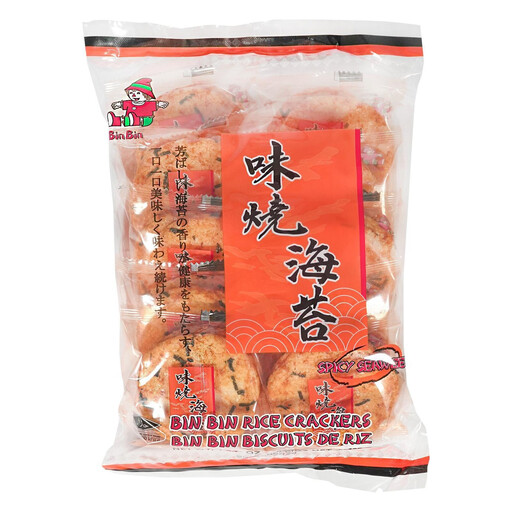
Bin Bin Spicy Seaweed Rice Crackers 135g
Why This Fits Their Persona: Ideal for anyone seeking the unmistakable taste of Thai snacks. The combination of piquant spice and the umami of seaweed delivers a complex and satisfying flavor experience.
This product bypasses the "fake authentic" trap by offering a clear Thai origin and a specific flavor profile of spice and seaweed, rather than just a vague "Asian flavor."
A well-tuned balance of spice, saltiness, and umami. The rice base provides a solid crunch.
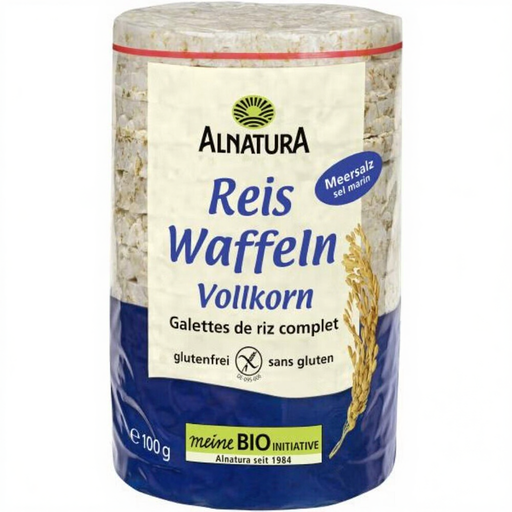
Alnatura Organic Whole Grain Rice Cakes with Sea Salt 100g
Why This Fits Their Persona: Perfect for anyone looking for a pure, unadulterated snack. It's great on its own or as a base for both sweet and savory toppings.
This product avoids the "health trap" through maximum transparency: the ingredient list consists only of organic whole-grain rice and sea salt. There is no hidden sugar, fat, or additives.
Certified Organic (BE-BIO-02), naturally gluten-free, vegan, and lactose-free. The high fiber and low sugar content support a mindful diet.
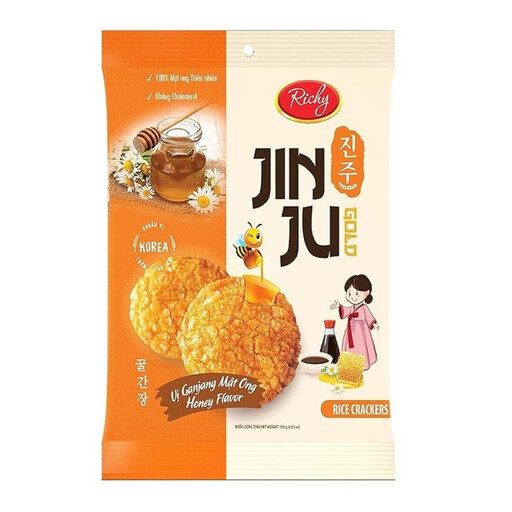
Richy Jin Ju Rice Cracker, Honey Flavour, 100g
Why This Fits Their Persona: An excellent choice for snack lovers who appreciate a harmonious balance between sweet and savory. The flavor of honey and soy sauce ("Honey Ganjang") offers a welcome change from purely salty or spicy snacks.
This product is more than just a sweetened cracker. It offers a clearly defined, sophisticated flavor profile based on the combination of honey and soy sauce, thus avoiding one-dimensional sweetness.
Made from 100% Japanese Japonica rice, which is known for its high quality. The crackers are cholesterol-free and individually wrapped to maximize freshness and crispness.
Looking for More Options?
We've compiled a complete, up-to-date list of products that fully meet these strict selection criteria and UK regulations.
Frequently Asked Questions (FAQ)
What's the difference between rice crackers and rice cakes? Rice cakes, as often found in the health food aisle, are typically made from puffed rice, which makes them very light and airy. They often serve as a bread substitute. Rice crackers, especially Asian rice crackers or senbei, are usually thinner, firmer, and are baked or fried. They are almost always boldly seasoned and designed to be a standalone, savory snack.
How do I properly store an opened package of rice crackers? To maintain crispness, airtight storage is crucial. After opening the original packaging, it's best to transfer the remaining crackers into an airtight container or a resealable bag. Store them in a cool, dry place. Products with individually wrapped portions bypass this problem, as the rest of the crackers remain sealed.
Are all Asian rice crackers gluten-free? No, that's a common misconception. Although rice is the main ingredient and is naturally gluten-free, many seasoned varieties contain soy sauce. Traditional soy sauce is brewed from soybeans and wheat, and therefore contains gluten. If you want to buy gluten-free rice crackers, it is essential to carefully check the ingredient list and allergen information on the packaging.