
Rice Crackers Guide: How to Choose the Right Variety for You
By the Joybuy Product Recommendation Officer, August 29, 2026
The world of Asian snacks is vast, but few products are as versatile as the rice cracker. From light and crispy baked discs to savory, fried bites, the selection can be overwhelming. This often leads to purchases that don't meet expectations. You might grab a bag thinking you've found a crunchy evening snack, only to discover you're holding an ingredient for a Korean dish.
This guide will help you avoid the most common pitfalls and find the perfect product for any occasion and taste. We'll clarify the differences between varieties and show you which features to look for before you buy.
The 2 Top Mistakes When Buying Rice Crackers
Before we get to our recommendations, it's important to understand the typical misconceptions that often lead to disappointment.
- Confusing a Snack with a Cooking Ingredient: The term "rice cake" is an umbrella term. It includes both ready-to-eat, crispy rice crackers (like Japanese Senbei) and soft, ready-to-cook rice cakes (like Korean tteok for Tteokbokki). If you don't look closely, you might buy an ingredient for a main course instead of a snack for a night in.
- Incorrect Expectations for Texture and Flavor: Not all rice crackers are equally crispy. The texture largely depends on the production method (baked, fried, puffed) and the type of rice used. Furthermore, flavor descriptions like "spicy" can be broad. A spicy rice cracker could mean fiery hot, but it could also refer to a complex umami flavor from soy sauce and seaweed.
What Really Matters: Key Features for Selection
To make the right choice, you should consider three fundamental parameters. These will help you objectively evaluate a product's characteristics.
1. Product Type: Snack Crackers vs. Cooking Rice Cakes
This is the most important distinction. Check the product description and preparation instructions carefully.
- Ready-to-Eat Snacks: These products are usually labeled as "Rice Crackers" or "Senbei." They are baked or fried and can be enjoyed straight from the package. They are perfect as Asian snacks for parties, to accompany drinks, or for a quick bite.
- Rice Cakes for Cooking: These products are often labeled as "Rice Cakes," "Tteok," or Korean rice cakes. They have a soft, chewy consistency and must be cooked in a sauce or soup before eating. They are the main ingredient for dishes like Tteokbokki.
2. Flavor Profile: From Sweet to Umami
Asian rice crackers offer an enormous variety of flavors that goes far beyond what you might expect from Western-style puffed rice cakes.
- Salty & Umami: The base is often soy sauce, sea salt, and sometimes seaweed (nori). These crackers have a savory, deep flavor.
- Spicy & Hot: Ingredients like chili, wasabi, or spice blends (e.g., five-spice powder) are used here. The heat level can range from mildly piquant to intense.
- Sweet: Some varieties are coated with a light sugar or honey glaze. Chocolate-covered rice cakes also fall into this category, with both Western and Asian-inspired versions available.
3. Texture and Production: Crispy, Airy, or Chewy
The texture is determined by the type of rice (e.g., glutinous vs. regular rice) and the production method.
- Baked: Baked crackers, like many Japanese snacks (e.g., Senbei), are often very hard and crispy.
- Fried: Fried varieties are usually airier and have a lighter, yet still crunchy, texture.
- Puffed: Puffed rice cakes are similar to Western-style rice cakes, being very light with a porous structure.
Picks for Every Use Case
Here are some recommendations tailored to specific needs and flavor profiles.
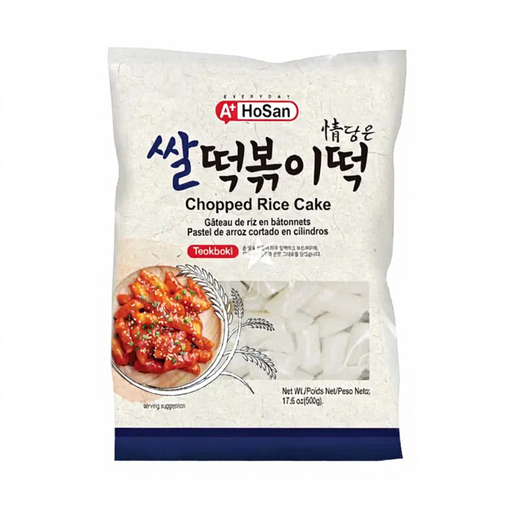
A+ Hosan Chopped Rice Cake (Teokboki) 500g
Why This Fits Their Persona: Ideal for anyone who wants to prepare the popular Korean street food dish Tteokbokki at home. These rice cakes are specifically designed for cooking in sauces and deliver that authentic, chewy texture.
This product is clearly labeled as a cooking ingredient, preventing confusion with a ready-to-eat snack. The shape and "Teokboki" name directly indicate its intended use.
Delivers the classic chewy texture characteristic of Korean rice cakes. The 500g package provides a great base for several meals.
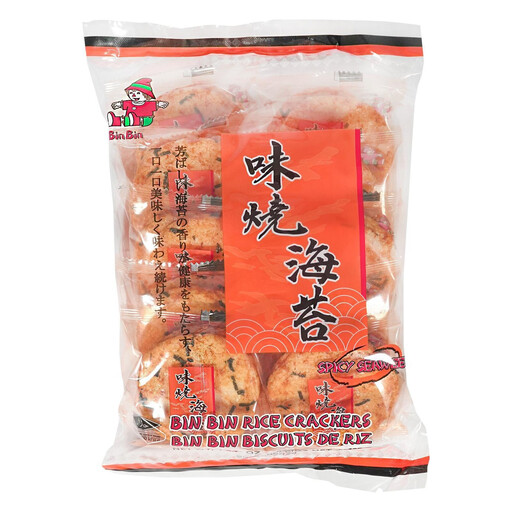
Bin Bin Spicy Seaweed Rice Crackers 135g
Why This Fits Their Persona: Perfect for snack lovers seeking a combination of heat and savory umami. This seaweed rice cracker offers a balanced spice that doesn't just burn but also has flavorful depth.
The "Spicy Seaweed" name clearly defines the flavor profile, avoiding the disappointment of a milder-than-expected taste. It is unambiguously designed as a crispy snack.
Combines a satisfyingly crisp texture with a multi-layered flavor profile of spice, sweetness, and the umami of seaweed. A popular snack classic from Thailand.
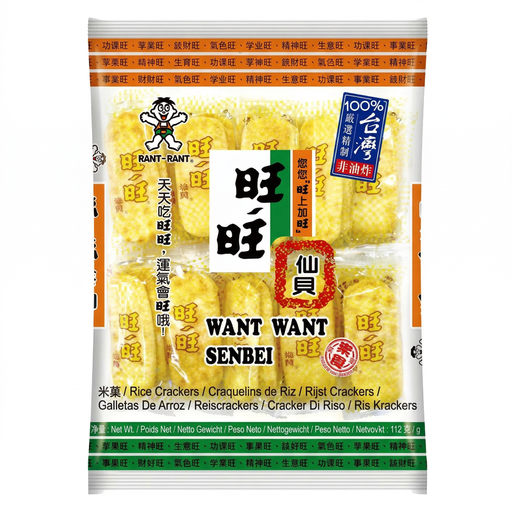
WANT WANT Senbei Original Flavor 112g
Why This Fits Their Persona: For anyone who appreciates the traditional flavor of Senbei. This cracker delivers the classic, slightly sweet-and-salty note typical of many Japanese snacks and pairs excellently with green tea.
It meets the expectation of a baked, hard, and crispy rice cracker. The subtle flavor doesn't disappoint, as it aligns with the traditional Senbei profile and isn't advertised as intensely spicy.
A very crispy texture thanks to the baking process. The flavor is subtle and balanced, making it a versatile snack that isn't overpowering.
Looking for More Options?
We have compiled a complete, up-to-date list of products that fully meet these strict selection criteria and all local regulations.
Frequently Asked Questions
What is the difference between Japanese Senbei and Korean rice cakes?
The main difference lies in their preparation and use. Senbei are thin, baked or grilled crackers made from regular rice, eaten as a crispy snack. Korean rice cakes (Tteok) are typically made from glutinous rice flour, are soft and chewy, and are cooked as an ingredient in soups or saucy dishes like Tteokbokki.
How should I store opened rice crackers?
To maintain their crispness, opened rice crackers should be stored in an airtight container in a cool, dry place. Avoid storing them in the refrigerator, as the moisture can make the crackers soft. Individually wrapped products will naturally stay fresh longer.
Are all Asian rice crackers gluten-free?
No, not necessarily. Although the main ingredient, rice, is naturally gluten-free, many rice crackers contain soy sauce for flavoring, which typically contains wheat. Individuals with celiac disease or gluten intolerance should therefore always check the ingredient list and allergen information on the packaging carefully. However, there are also varieties explicitly labeled as gluten-free.