
Buying Red Bean Paste: Which Variety Suits Mochi, Mooncakes and Desserts?
A red bean paste can vary significantly depending on the recipe: finely sieved and creamy for Dorayaki, chunky for Bingsu, or already prepared as a filling in mooncakes and Baozi. If you only look for terms like "authentic", "traditional" or "less sweet" when buying, you risk overlooking important details about ingredients, texture, pack size and storage.
Common Pitfalls When Buying Red Bean Paste
1. "Red Beans" Are Not Always a Ready-Made Paste
Red beans in sugar syrup contain whole or partially intact beans. They work well as a topping for Bingsu, yoghurt and ice cream, or can be mashed into a coarser paste. A ready-made sweet red bean paste, on the other hand, is already cooked, sweetened and usually ready to use as a filling straight away.
For mochi filling, Tangyuan or Baozi with red bean paste, a spreadable consistency is generally more practical. For Asian desserts where visible bean pieces are desired, the syrup variety may be the better choice.
2. "Less Sweet" Doesn't Automatically Mean Low Sugar
The nutritional information panel is more telling than the front of the packaging. Be sure to compare:
- Carbohydrates and of which sugars per 100 g
- The order of ingredients, as these are listed in descending quantity
- Any additional sweeteners or sugar syrups
- Portion size and total weight
With ready-made mooncakes, you also have the pastry, oil and possibly salted egg yolk filling to consider. The flavour of Japanese red bean paste or the Chinese variety cannot therefore be judged by sugar content alone.
3. Pack Size and Shelf Life Are Easily Underestimated
A 500 g or 650 g container is practical for regular baking, but may be too large for a single recipe. Once opened, storage instructions vary by product. Wangzhihe Red Bean Paste 500g, for example, should be kept refrigerated; with JINYANG Red Bean In Sugar Syrup 475g, it is recommended to transfer the contents to a sealable, non-metallic container after opening and use within two to three days.
Also pay attention to:
- Undamaged, non-swollen packaging
- The best-before date on the product
- Whether refrigeration or freezing is required
- Single portions if the pack won't be used up quickly
The Key Selection Criteria
Texture: Koshian, Tsubuan or Syrup Variety
With Anko, a distinction is often made between smooth and chunky bean paste. A finely sieved variety, often called Koshian, is ideal for smooth fillings in mochi, Dorayaki or Taiyaki. Chunky paste or whole beans add more texture to desserts and toppings.
If you're looking for a Chinese red bean paste for mooncakes, Tangyuan or sweet Baozi, you should also check whether the paste contains oil, starch or syrup. These components affect spreadability, sweetness and behaviour when heated.
Ingredients and Allergens
Read the ingredients list in full. Depending on the product, in addition to red beans and sugar, there may be vegetable oil, syrup, salt, starch or preservatives. Processed pastries bring further allergens into the mix.
Particularly relevant are:
- Wheat and gluten in pastry goods and mooncakes
- Soya in certain pastes and baked goods
- Eggs in mooncakes or pastries
- Peanuts and possible traces of nuts
- Lard in some Hong Kong-style pastries
The allergen information on the product packaging takes precedence. If you have an intolerance, you should check not only the bean paste but the entire finished product.
Ready-Made Product or Ingredient for Your Own Recipes?
Ready-made products save preparation time, but offer less control over sweetness and texture. A plain paste, on the other hand, can be used for several recipes and adjusted with water, beans or other ingredients as needed.
As a guide:
- For quick serving: dessert cups, filled mochi, Baozi or mooncakes
- For baking projects: smooth paste in 500 g or more
- For toppings: red beans in sugar syrup
- For family portions: individual cups or larger multi-packs
- For Japanese confectionery: finely sieved azuki bean paste
Product Selection by Use Profile
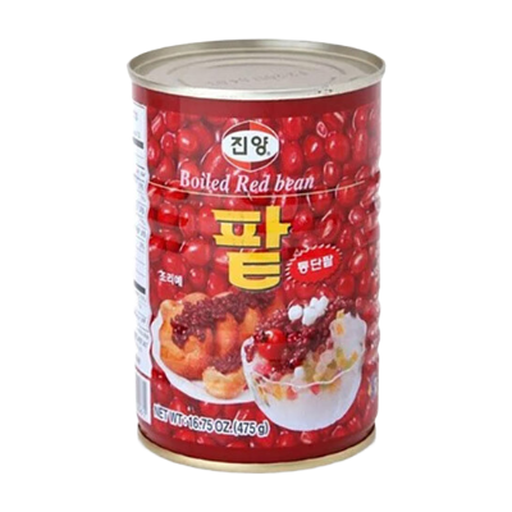
JINYANG Red Bean In Sugar Syrup 475g
Why this product fits the profile: The ready-to-serve beans are ideal for first attempts with Bingsu, ice cream, yoghurt or homemade mochi filling.
The product type is clearly identifiable: it consists of whole red beans in syrup, not a finely sieved paste.
475 g content, ready to use and, according to product information, with no declared allergens.
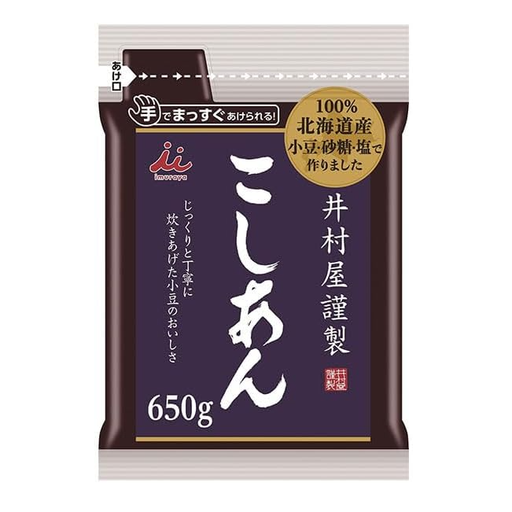
imuraya Smooth Bean Paste 650g
Why this product fits the profile: The finely sieved Japanese azuki bean paste is designed for smooth fillings and classic Wagashi recipes.
The product description explicitly mentions cooked and finely sieved azuki beans; the texture is therefore not to be confused with chunky syrup products.
650 g content, with 60 % red beans according to the ingredients list, plus usage instructions for different quantities.
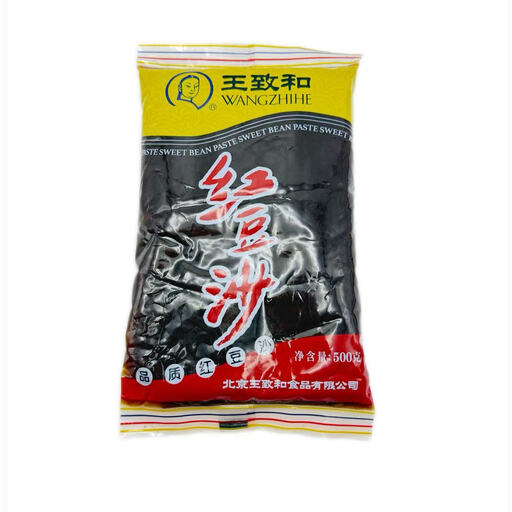
Wangzhihe Red Bean Paste 500g
Why this product fits the profile: The ready-to-use paste is intended for repeated baking and dessert recipes such as Tangyuan, Baozi, mooncakes or yoghurt toppings.
The ingredients list states sugar, red beans and water; no additional chunky beans or syrup filling are mentioned.
500 g content, no declared allergens and ready for immediate use with no preparation time.
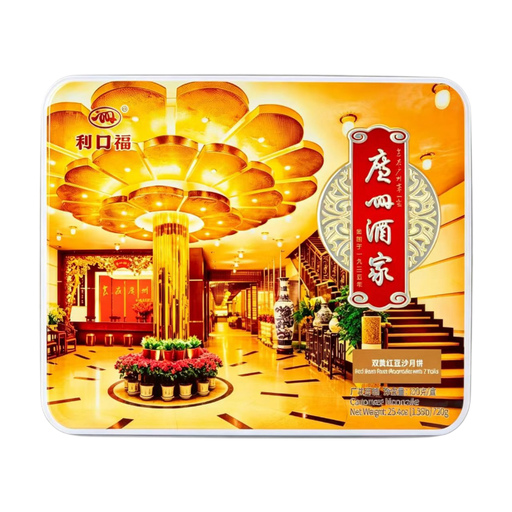
Guangzhou Restaurant Double Yolk Red Bean Paste Mooncakes 720g
Why this product fits the profile: Four individually portioned mooncakes combine sweet red bean filling with salted double egg yolk, making them perfect for a festive table or as a gift.
The total weight is clearly stated as 720 g, divided into four pieces of 180 g each. Allergens such as wheat, peanuts and egg are declared.
Ready-made product, four portions, Chinese origin according to product information and storage in a cool, dry place.
Looking for more options?
We have put together a complete, regularly updated list of products that fully meet these strict selection criteria and the safety regulations in force in the EU.
Preparation and Storage in Everyday Use
With a ready-to-use azuki bean paste, it is usually enough to portion out the desired amount directly. For mochi or Tangyuan, the filling should be firm enough to hold its shape. If it is too soft, a short period of chilling can make it easier to work with. Syrup products can be drained and then mashed if a thicker filling is required.
Frozen products such as filled rice balls or Baozi must be heated through according to the pack instructions. San Quan Red Bean Paste Bun 360g, for example, is stored frozen and should be steamed or thoroughly heated before eating. For opened pastes and dessert cups, the respective manufacturer's instructions apply; generalised storage times cannot be applied to every product.
Frequently Asked Questions About Red Bean Paste
What is the difference between Anko and red bean paste?
Anko is the Japanese term for sweet paste made from azuki beans. Depending on how it is processed, it is either finely sieved or contains bean pieces. "Red bean paste" is used more broadly in German retail and can refer to both Japanese and Chinese products, as well as fillings in ready-made pastries.
Which red bean paste is suitable for mochi?
For a smooth mochi filling, a finely sieved, ready-to-use paste is usually easier to work with. Look for a firm consistency and check whether the product needs to be refrigerated after opening. Whole red beans in sugar syrup are more suited as a topping or for a customised filling.
How long does red bean paste last after opening?
This depends on the specific product. Some pastes are stored in the fridge after opening, while syrup products should be used within a few days. Always follow the information on the label. Remove the paste with clean utensils and seal the packaging carefully afterwards.