
The Ultimate Ramen Bowl Buyer's Guide
A steaming bowl of ramen is more than just a meal—it's an experience. But to authentically recreate this experience at home, you need more than just good ingredients. Choosing the right ramen bowl is crucial. Many buyers invest in bowls that are visually appealing but prove impractical in daily use. As your Joybuy Product Recommendation Officer, I'll help you avoid the typical pitfalls and make a choice that combines functionality with aesthetics.
The 3 Most Common Mistakes When Buying Ramen Bowls
Before you make a decision, you should be aware of the most common problems that often only become apparent after the purchase, detracting from your enjoyment.
- Misleading Size Claims: Many bowls advertised as "large" turn out to be too small for a full portion of ramen. Volume is critical if you want to fit noodles, a generous amount of broth, and various toppings like egg, meat, and vegetables without anything spilling over. A bowl that is too shallow or small will inevitably lead to messes.
- Inferior Materials Behind a Pretty Fa?ade: The term "ceramic" can be broad. Inexpensively produced bowls are often made of porous ceramic, which is prone to cracking with temperature changes—for instance, when pouring in hot broth. Furthermore, such materials can absorb odours and stains from soy sauce or chilli oil.
- Impractical "Authenticity": A beautiful Japanese pattern is desirable, but only if it's durable. Many printed designs are not dishwasher-safe and fade after just a few washes. A bowl that can only be washed by hand quickly becomes a burden in everyday life.
What Really Matters: The Core Criteria for Your Selection
To avoid buyer's remorse, focus on these three objective features. They form the basis for a durable and functional Japanese noodle soup bowl.
Material and Craftsmanship
The material determines durability, feel, and ease of care. Pay attention to the following distinctions:
- Porcelain: Fired at very high temperatures, making it non-porous, robust, and hygienic. It doesn't absorb odours or colours and is generally dishwasher and microwave-safe.
- Stoneware: Also high-quality and dense, often with a more rustic, earthy feel. Good stoneware is very resilient.
- Simple Ceramic (Earthenware): Is more porous and fired at lower temperatures. Without a flawless glaze, it is more susceptible to chipping and staining.
A high-quality, non-porous glaze is crucial for all materials. It seals the surface, making the bowl easy to clean and food-safe.
Dimensions and Volume
For an authentic ramen experience, size is non-negotiable. A good large ceramic soup bowl should have the following dimensions:
- Diameter: At least 17 cm, ideally between 19 and 22 cm. This provides enough surface area for an appealing arrangement of toppings.
- Height: A height of 8 to 10 cm ensures the broth doesn't spill and heat is retained well.
- Volume: A capacity of at least 800 ml is the minimum. For generous portions, such as those typical for Udon soups, 1000 ml to 1200 ml is recommended.
What's Included: A Single Bowl or a Set?
Consider whether you need just one bowl or a complete ramen bowl set. Sets often include matching spoons and a bowl with chopsticks. This not only ensures a cohesive aesthetic but is also often more cost-effective than buying high-quality Japanese tableware individually.
Guided Recommendations For You
Here are some recommendations tailored to different user profiles that meet the quality criteria mentioned above.
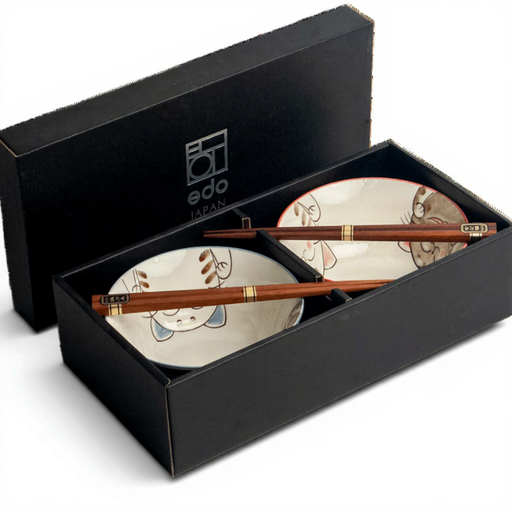
Ramen Bowl Gift Set - 2 Bowls + 2 Pairs of Chopsticks - Cat Shape
Why This Fits Their Persona: This set is ideal for couples or as a gift. It includes everything needed to get started right away: two bowls and two pairs of chopsticks. The playful cat motif appeals to lovers of a modern, Japanese-inspired style.
The set is declared dishwasher and microwave-safe (at low temperatures), ensuring its suitability for everyday use. As a complete package, it eliminates the need to search for matching accessories separately.
A complete set for two in a gift box. Made from ceramic in Japan, which indicates a reliable baseline quality.
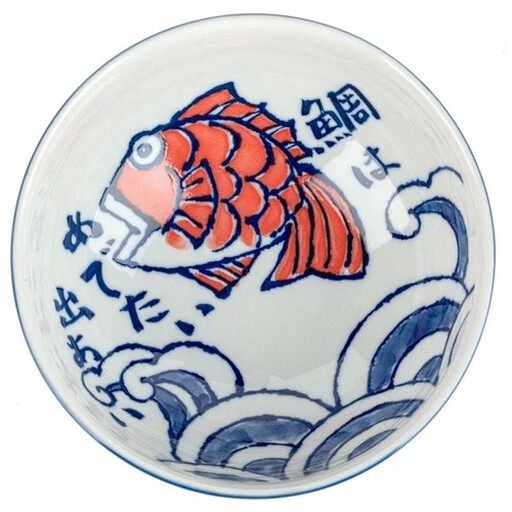
Red Fish Japanese Ramen Noodle Bowl
Why This Fits Their Persona: For anyone who takes their ramen seriously and values a generous portion with plenty of toppings. The traditional fish pattern lends an authentic, Asian touch to the meal.
With a diameter of 19 cm and a height of 8 cm, this bowl clearly avoids the "too small" trap. It is explicitly listed as dishwasher and microwave-safe, indicating durable craftsmanship and glaze.
Generous dimensions for a full meal. Made from high-quality ceramic using traditional techniques for high durability.
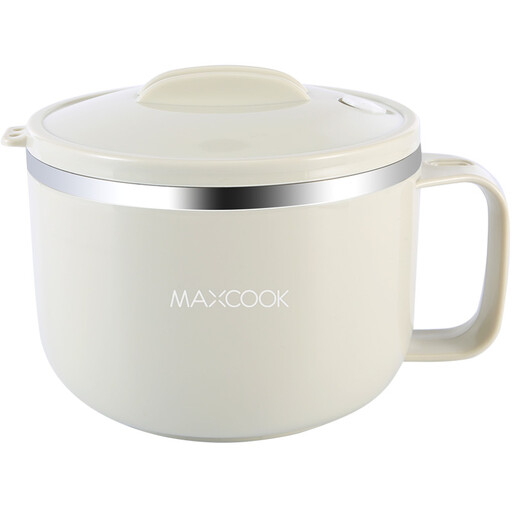
Maxcook 304 Stainless Steel Ramen Bowl - With Lid & Mobile Phone Holder
Why This Fits Their Persona: Perfect for students, professionals working from home, or anyone who enjoys watching a video while they eat. This bowl combines functionality with a modern, unbreakable material and a clever extra feature.
The 304 stainless steel material is immune to chipping, staining, and odours—the typical weaknesses of low-quality ceramic. With a 1.2-litre capacity, it is also more than large enough.
Extremely durable and rust-resistant. The integrated mobile phone holder and matching lid for keeping food warm offer significant practical value for daily use.
Looking for More Options?
We have compiled a complete, up-to-date list of products that fully meet these strict selection criteria and safety regulations.
Frequently Asked Questions (FAQ)
How large should an ideal ramen bowl be?
An ideal ramen bowl should have a capacity of at least 800 ml, or preferably 1000 ml or more. The diameter should be between 17 and 22 cm, with a height of about 8 to 10 cm. These dimensions ensure that there is enough space for noodles, broth, and numerous toppings without the bowl looking overcrowded or spilling.
Are Japanese noodle soup bowls dishwasher-safe?
That depends on the material and the decoration. High-quality Asian bowls made of porcelain or stoneware with a fired-in-glaze design are usually dishwasher-safe. For hand-painted bowls or those with simple printed designs, hand washing is often recommended to preserve the design. Always check the manufacturer's product information.
What is the difference between a ramen bowl and a regular soup bowl?
A ramen bowl is typically larger, deeper, and has a wider opening than a conventional European soup bowl. The shape is specifically designed to hold a large quantity of noodles and broth while allowing for an attractive presentation of the various toppings on the surface. The steeper walls also help to retain the soup's heat for longer.