A protein bar can be a convenient choice after a workout, particularly when a suitable meal isn’t available. Compare the protein content per bar you’ll actually eat, and check the sugar, polyols, ingredients and allergens too. For healthy adults who exercise for no more than five hours a week, the German Nutrition Society does not recommend a higher protein intake solely because of exercise.
Who might find a protein bar useful?
People who have a gap between their workout and their next meal
If you’re out and about and can’t get a protein-rich meal, a portion-sized bar could work as a snack. What matters is how its protein content fits into your diet for the day as a whole – not a blanket promise about what you need after a workout.
People comparing sugar and calories
If you fancy a sweet snack after the gym, compare the sugar and calories per portion. ‘No added sugar’ doesn’t tell you whether a bar contains sweeteners or polyols.
People with specific ingredient requirements
If you need to avoid certain ingredients or are sensitive to sugar alcohols, check the label for the specific variety. The protein sources, highlighted allergens and ‘may contain’ information are more useful for making your decision than the front of the pack.
What should you look for when buying?
First, decide whether you need a bar instead of a meal after your workout. Then compare the portion you’ll eat and check the ingredients that matter to you.
| What to consider | What to check | Who it matters most to |
|---|
| Protein per portion |
Protein in g per bar and the actual portion size; consider your diet for the day as a whole. |
If I want to bridge the gap until my next meal after a workout, the amount in an individual bar matters to me. For around 36% of consumers, portion size is likely to be the top consideration. |
| A snack on the go |
Whether it’s a single bar or multipack, and whether it’s easy to take with you on your usual route. |
If there’s no time for a meal after the gym, I want a snack I can take with me that needs no preparation. Around 29% of consumers are likely to prioritise convenience. |
| Ingredients and tolerance |
The ingredients list, highlighted allergens, sweeteners and polyols. |
If I need to avoid certain ingredients or don’t tolerate sugar alcohols well, the recipe determines my choice. For around 21% of consumers, this is likely to be the most important consideration. |
| Calories and sugar |
Nutrition information per portion, particularly calories and sugar; check ‘no added sugar’ separately. |
For my post-workout snack, I want to know how many calories and how much sugar the portion I eat contains. These figures are likely to take priority for around 14% of consumers. |
Common mistakes when choosing
-
Thinking you need a bar after every workout
A bar can be a handy addition when you’re out and about, but it isn’t essential after exercise. The German Nutrition Society does not recommend a higher protein intake for healthy adults who exercise for no more than five hours a week.
First, think about whether a suitable meal will be available, and when, rather than automatically planning to have a bar after every workout.
-
Assuming ‘no added sugar’ means it will agree with you
This claim doesn’t rule out polyols. The German consumer advice centre notes that sugar substitutes can have a laxative effect in large quantities; REWE lists 11.3 g of polyols per 45 g bar for its REWE PWR White Chocolate Crisp.
If you have a sensitive digestive system, check the polyol information and ingredients list for the variety you choose.
-
Judging protein sources and allergens by the front of the pack alone
A protein bar can contain several protein sources and other ingredients. The name on the front doesn’t replace the ingredients list for the specific variety.
If you have specific ingredient requirements, check the highlighted allergens and any ‘may contain’ information on the pack.
Brands to consider
REWE PWR
REWE’s REWE PWR range includes protein bars for a portion-sized snack.
- REWE lists 22.5 g of protein per 45 g bar for White Chocolate Crisp.
- This variety contains ingredients including milk and soya, as well as maltitol; check the details separately for other varieties.
Barebells
Barebells offers classic protein bars, soft bars and vegan varieties.
- Barebells states that its classic bars contain up to 20 g of protein per bar.
- Nutrition information and ingredients vary by variety; ‘no added sugar’ doesn’t mean that no sweeteners are used.
Layenberger
You can compare Layenberger’s high-protein bars using the information provided for each variety.
- Layenberger lists 15.8–16.1 g of protein and 0.2–0.8 g of sugar per bar for its bar mix, depending on the variety.
- If you need to avoid animal protein sources or specific allergens, check the ingredients for each variety.
ESN
ESN’s range includes protein bars from its Designer Bar line.
- The REWE product listing states that Dark Chocolate Salted Almond contains up to 15 g of protein per 45 g bar.
- The information for this variety doesn’t apply to all ESN bars; check the ingredients and nutrition information for the variety you choose.
Post-workout snack products
This selection includes portion-sized protein bars and a Nutrition Bar that could work as a post-workout snack. Compare the specific pack by protein per bar, ingredients and your own requirements, rather than assuming all types of bar are the same.
 Image unavailable
Barebells Protein Bar Cookies & Cream, 12 × 55 g
A handy bar to take with you after a workout when you need a snack before your next meal. The pack contains 12 bars of 55 g each; compare the nutrition information per bar and check the ingredients label if you have a milk or soya allergy.
View at Joybuy
 Image unavailable
Barebells Vegan Protein Bar Peanut Caramel, 12 × 55 g
For anyone considering a bar labelled vegan after a workout. The pack contains 12 bars of 55 g each; check the ingredients on the specific pack, particularly if you have a peanut, soya or wheat allergy, and look out for sugar alcohols if you have a sensitive digestive system.
View at Joybuy
 Image unavailable
ESN Protein Designer Bar Hazelnut Nougat, 12 × 45 g
A portion-sized protein bar for a post-workout snack. The pack contains 12 bars of 45 g each; for this variety, it’s particularly important to check the polyol information and the labelling for milk, soya and hazelnuts.
View at Joybuy
 Image unavailable
Frankonia Sugar Free Nutrition Bar Chocolate Brownie, 50 g
A portion-sized Nutrition Bar you can compare with protein bars for its protein content. The bar weighs 50 g; as well as checking the sugar content, look at the polyol information and check the ingredients if you have a milk or soya allergy.
View at Joybuy
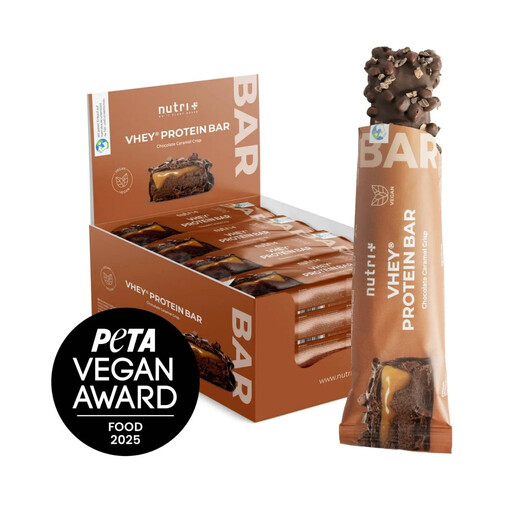 Image unavailable
Nutri+ Whey Protein Bar Chocolate Caramel Crisp, 12 × 50 g
A bar for a snack on the go after a workout. The pack contains 12 bars of 50 g each. If you’re specifically looking for plant-based protein sources or need to avoid milk ingredients, check the pack before buying: the name ‘Whey’ and the description mentioning pea and hemp protein don’t make the recipe clear.
View at Joybuy
Frequently asked questions
Do I need a protein bar after every workout?
No, a protein bar isn’t essential after a workout. According to the German Nutrition Society, healthy adults who exercise for no more than five hours a week don’t have a higher protein requirement; a bar can be useful when a suitable meal isn’t available. If you train for longer, your overall protein intake depends on factors including your goals, and the intensity and duration of your training.
Does a bar with no added sugar also contain no sweeteners?
No, ‘no added sugar’ doesn’t mean a protein bar is free from sweeteners or polyols. The German consumer advice centre notes that sugar substitutes can have a laxative effect in large quantities. So compare the ingredients list and nutrition information for the specific variety.
Where can I find information about allergens in a protein bar?
Check the ingredients list and highlighted allergens on the pack for the specific variety. According to Germany’s Federal Office of Consumer Protection and Food Safety, the main substances that can cause allergies or intolerances must be listed there; check any ‘may contain’ information too, if relevant.
