
Hikers tackling long or steep routes
If you’ll be out for several hours, drinks and food to fuel your activity should be your priority. The German Alpine Club particularly highlights fluids and carbohydrates for mountain hikes.
For a long or strenuous hike, don’t pack a protein bar instead of drinks and carbohydrate-rich food: the German Alpine Club identifies a lack of fluids and carbohydrates as possible causes of a dip in performance on mountain hikes. A protein bar is more suitable as a portioned snack after your hike or between meals. Whether it’s right for you depends on the nutritional information, ingredients and allergens listed for that particular variety.
If you’ll be out for several hours, drinks and food to fuel your activity should be your priority. The German Alpine Club particularly highlights fluids and carbohydrates for mountain hikes.
You’re looking for a portable snack to have after your hike or between meals, and want to consider its protein content as part of your overall diet. The German Nutrition Society doesn’t consider a higher protein requirement to be the norm for moderate recreational sport.
Sweeteners, allergens or animal-derived ingredients may be important to you. Check the label on each variety: according to the consumer advice centre, large amounts of sugar substitutes can have a laxative effect. EU labelling rules require ingredients and allergens to be listed.
Best suited to: When you need food to keep you going on a long or steep hike. The German Alpine Club lists easily available carbohydrates as an option during periods of weakness.
Bear in mind: Even this kind of snack is no substitute for planning your drinks.
Best suited to: When you’re looking for a portioned source of protein after a hike or between meals.
Bear in mind: A high protein content alone tells you nothing about the other nutritional values or whether the bar is suitable as food during your hike.
| Your priority | What to check when buying | Who it matters to |
|---|---|---|
| Food for the trail | Compare carbohydrates per 100 g and per bar; plan your drinks for the hike separately. | If the route is long or steep, I want to take suitable food and enough drinks with me. For around 42% of consumers, fuelling up during the hike would be the main priority. |
| Protein as a snack | Compare protein per 100 g and per bar with the rest of your diet. | After a hike, I’m looking for a portioned snack with a protein content that fits into my overall diet. For around 33% of consumers, protein would be the main consideration. |
| Ingredients and tolerance | Read the ingredients list, nutritional information and allergen warnings for the particular variety. | If I need or want to avoid certain ingredients, the composition of each individual bar matters to me. For around 25% of consumers, this would be the priority. |
A prominent protein claim doesn’t tell you about the sugar, fat or ingredients. Lebensmittelklarheit reports on a market survey by the North Rhine-Westphalia consumer advice centre, which found that protein claims on bars were presented in different ways, making them difficult to compare.
Compare the full nutritional information on the same basis and read the ingredients list too.
According to the German Alpine Club, a lack of fluids and carbohydrates can contribute to a dip in performance on mountain hikes. A bar’s protein content won’t make up for either.
For challenging hikes, pack drinks and suitable carbohydrate-rich food as well.
According to the consumer advice centre, large amounts of sugar substitutes can have a laxative effect. Digestive problems would be particularly inconvenient on the trail.
Read the ingredients list and try an unfamiliar variety at home or on a short hike first.
Ingredients and possible allergen traces depend on the particular variety. Even the word ‘vegan’ doesn’t tell you whether a bar is suitable for people with specific allergies.
Check the current ingredients list and allergen and trace warnings on the packaging of every variety you buy.
Powerbar has separate ranges of energy and protein bars. This makes it easier to find a bar for the trail or a protein-focused snack.
Barebells offers several ranges of protein bars, including varieties described as vegan.
ESN offers both standard and vegan versions of its Designer Bar.
This selection includes portioned protein bars and a beef jerky snack for the trail or after your hike. For food during a longer hike, remember to consider your drinks and the carbohydrate content of the snacks you take with you separately.
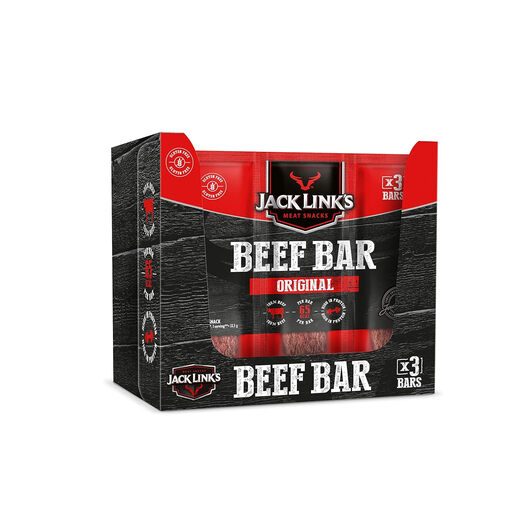 No image available
An option if you’d like to take a portioned savoury snack with you. The product name lists 30 bars weighing 22.5 g each. Check the nutritional information for an individual portion, and check the label if you have allergies.
 No image available
Worth considering if you’re looking for a protein bar described as vegan to have after your hike. The product name lists 12 bars weighing 55 g each. Compare the protein claim on the front with the nutritional table for the variety you buy, and check the ingredients and allergens.
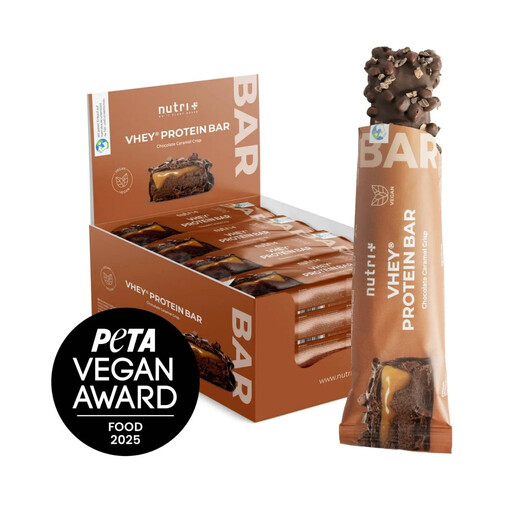 No image available
A portioned protein bar for a snack between meals; the product name lists 12 bars weighing 50 g each. Check the nutritional information, sweeteners and allergens on the pack. If you want to avoid animal-derived ingredients, check the label to confirm the composition of the particular variety.
 No image available
The 35 g size may suit you if you want to take an individual protein-focused snack with you. To compare it with other bars, check the protein and carbohydrate figures per 100 g and per portion on the packaging. Remember to check the allergens too.
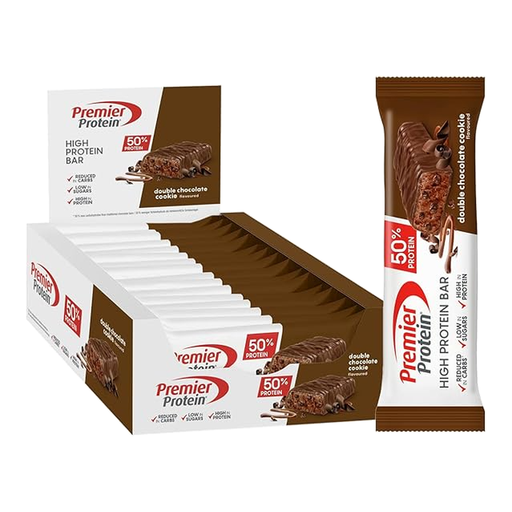 No image available
An option for a portioned snack after your hike. The product name lists 16 bars weighing 40 g each and promotes a protein content of 50%; check the nutritional information on the pack to see what you’ll get in an actual portion. Also check the ingredients, sweeteners and allergens.
No, a protein bar isn’t essential for a hike. For longer or more strenuous mountain hikes, the German Alpine Club recommends drinks and readily available carbohydrates as important parts of your food supplies. The German Nutrition Society doesn’t consider a higher protein requirement to be the norm for moderate recreational sport. You can choose a bar as a post-hike snack based on how it fits into the rest of your diet.
First compare protein, energy, sugar and fat per 100 g, then check the figures per bar for the portion you’ll actually take with you. Lebensmittelklarheit reports on a market survey by the North Rhine-Westphalia consumer advice centre, which found that protein claims displayed differently on the front of packs made comparisons more difficult.
No, the claim ‘no added sugar’ doesn’t tell you how well you’ll personally tolerate a bar. According to the consumer advice centre, large amounts of sugar substitutes can have a laxative effect. So read the ingredients list and don’t try an unfamiliar variety for the first time on a long hike.
Check the ingredients list, highlighted allergens and any warnings about possible traces on the particular pack. EU labelling rules require allergens to be listed on pre-packed foods; the word ‘vegan’ doesn’t replace this check.