
Choosing Protein Bars: Avoid Sugar and Select Right
By the Joybuy Product Recommendation Officer, July 28, 2026
The selection of protein bars on supermarket shelves and in online shops is overwhelming. They promise a quick protein boost for muscle growth, a nutritious on-the-go snack, or a healthier alternative to a candy bar. But the reality is often quite different. Many products marketed as fitness bars turn out to be overpriced sweets in disguise, packed with hidden sugars and questionable ingredients.
Choosing the right bar can be frustrating. To help you make an informed decision and avoid falling for empty marketing promises, we've identified the most common pitfalls and outlined the crucial criteria for a quality protein bar.
The 2 Most Common Traps When Buying Protein Bars
Before you reach for the next protein bar box, you should be aware of two common marketing strategies that often lead to poor choices.
- The Sugar Deception: Many bars advertise a high protein content while simultaneously concealing an equally high sugar content. A quick look at the nutrition label often reveals that the sugar level is comparable to that of a conventional chocolate bar. Such products are unsuitable for serious fitness goals or a conscious diet.
- The "Low-Carb" Trap: A low-carb protein bar sounds appealing, but the term is not regulated. Often, sugar is simply replaced by large quantities of sugar alcohols (polyols) like maltitol or sorbitol. When consumed in excess, these can lead to digestive issues and don't always offer the expected metabolic benefits.
What Really Matters: The Key Metrics of a Protein Bar
To avoid falling into these traps, you should focus on objective and verifiable criteria. Two factors are particularly important.
The Protein-to-Sugar Ratio
A key indicator of a bar's quality is the ratio of protein to sugar. A simple rule of thumb is: the protein content in grams should be significantly higher than the sugar content. A high-quality sugar-free protein bar, or one with very low sugar, provides the body with the building blocks it needs without unnecessarily spiking blood sugar levels. Look for products where the protein content is at least double the sugar content.
Type of Protein Source and Sweeteners
Not all protein is created equal. The protein source affects its biological value and digestibility.
- Whey and Casein: These milk proteins are considered very high-quality because they contain all essential amino acids and are easily utilized by the body, making them ideal in a protein bar for muscle growth.
- Plant-Based Proteins: Combinations of pea, rice, hemp, or soy protein can also offer a complete amino acid profile and are an excellent choice for vegans or individuals with lactose intolerance.
When it comes to sweeteners, it's wise to pay attention to the type and amount. Stevia and sucralose are zero-calorie sweeteners. Sugar alcohols like maltitol, xylitol, or erythritol are often used in low-carb protein bars. The key here is individual tolerance.
Find Your Perfect Pick
Based on these objective criteria, we have curated a selection of protein bars suitable for different needs and goals.
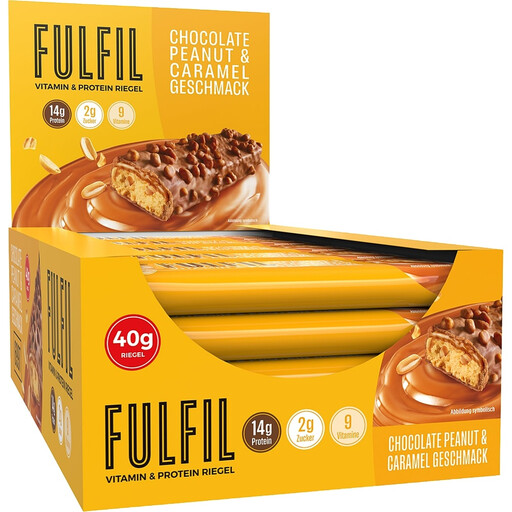
Fulfil Vitamin & Protein Bar, Chocolate, Peanut & Caramel Flavor
Why This Fits Their Persona: Ideal for individuals seeking not just a protein boost, but also a way to supplement their diet with additional nutrients. This bar delivers a blend of nine vitamins alongside its protein content.
With 36g of protein per 100g and only 3.8g of sugar, this bar clearly avoids the sugar trap. It delivers real nutritional value instead of empty calories, supporting a mindful diet.
The combination of high protein content and 9 essential vitamins makes it a multi-functional snack that goes beyond simple protein delivery.
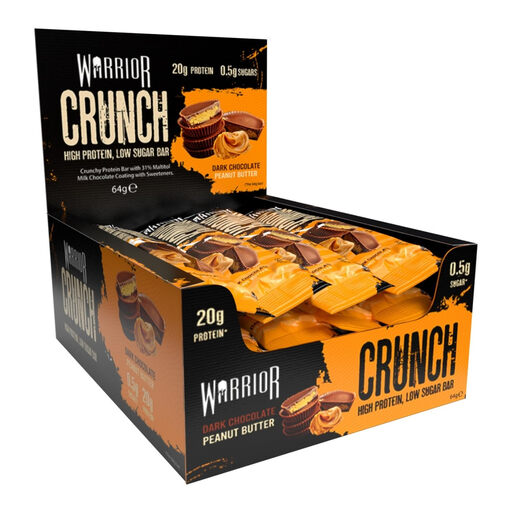
Warrior Crunch High Protein Low Carb Bar, Dark Chocolate Peanut Butter
Why This Fits Their Persona: Specifically designed for a low-carb or ketogenic diet. According to the manufacturer, it contains less than 3g of net carbs per bar, making it a perfect fit for a strict diet plan.
This bar consistently delivers on its "low-carb" promise. Instead of sugar, it relies on sweeteners like maltitol to provide flavour without impacting the carb count.
Offers a solid 20g of protein per bar while maintaining an extremely low sugar and carbohydrate content. The crunchy texture provides a satisfying eating experience.
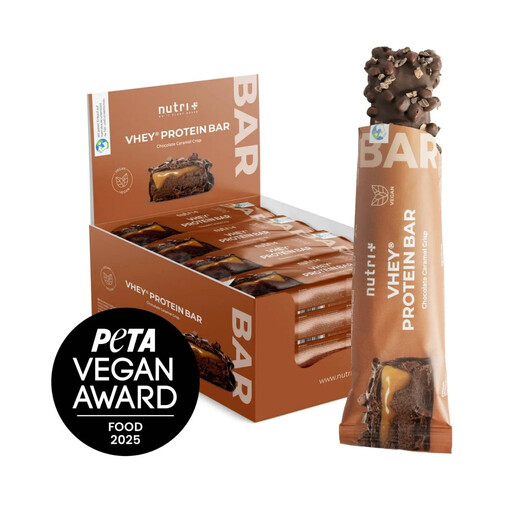
Nutri+ VHEY Protein Bar Chocolate Caramel Crisp
Why This Fits Their Persona: A purely plant-based option based on a blend of pea and hemp protein. Perfect for vegans and anyone avoiding animal products without compromising on a quality protein source.
Many vegan bars are filled with sugar or low-quality fats. This product instead uses a balanced formula with dietary fibers like oligofructose and sweeteners.
Delivers 13g of protein per bar from a well-designed, purely plant-based source. The convenient 12-pack protein bar box is ideal for stocking up.
Looking for More Options?
We've compiled a complete, up-to-date list of products that fully meet these strict selection criteria and comply with UK regulations.
Frequently Asked Questions About Protein Bars
Can protein bars support muscle growth?
Yes, protein bars can be a useful supplement. Protein is an essential building block for repairing and building muscle tissue after a workout. A protein bar offers a convenient way to supply the body with readily available protein, especially when a full meal isn't immediately available. However, it should be seen as part of a balanced diet and a structured training plan, not as a standalone solution.
Are protein bars with sugar substitutes safe?
For most people, moderate consumption of sugar substitutes like maltitol, sorbitol, or xylitol is safe. These substances are often used in low-carb protein bars to reduce the sugar content. However, it's important to know that these polyols can have a laxative effect if consumed in excess. Individual tolerance varies. It's advisable to check the ingredients list and take a cautious approach when trying products with a high polyol content.
When is the right time to eat a protein bar?
Flexibility is one of the biggest advantages of protein bars. There are several ideal times to have one:
- Post-Workout: Within 30 to 60 minutes after exercise, a bar can help replenish glycogen stores and kick-start muscle repair.
- As a Snack: A bar can prevent cravings and bridge the gap until your next main meal.
- On the Go: When there's no time for a balanced meal, a high-quality protein bar is a much better alternative to fast food or sugary snacks.