
Protein Bar Buyer’s Guide: Avoid Sugar Traps and Choose the Right Bar
By Joybuy Product Recommendation OfficerPublished July 28, 2026
Protein bars have become a staple on supermarket and gym shelves. They promise a quick and convenient source of protein on-the-go, after a workout, or as a midday snack. However, the growing market makes choosing the right one difficult. A closer look reveals that many products marketed as healthy fitness bars are essentially candy bars with added protein. This guide will help you spot the common pitfalls and find a protein bar that truly fits your goals.
The Most Common Pitfalls When Buying Protein Bars
Before you reach for the next protein bar box, you should be aware of two common marketing strategies that often lead to a poor choice.
-
The Hidden Sugar Trap: Many bars advertise themselves as having "no added sugar." However, a glance at the ingredients list often reveals a high amount of sugar substitutes like maltitol or glucose syrup. These can not only affect blood sugar levels but may also cause digestive issues when consumed in excess. A bar with 20 grams of sugar is nutritionally barely different from a standard candy bar, regardless of its protein content.
-
The "High-Protein" Illusion: The term high-protein bar is not a protected term. Some manufacturers use low-quality protein sources like collagen hydrolysate, which doesn't provide a complete amino acid profile for a protein bar for muscle building, or pad the product with fillers. What matters is not just the absolute amount of protein, but also its quality and its ratio to the bar's total calories.
What to Look For When Choosing: The Key Metrics
To make an informed decision, focus on three objective criteria. These will help you correctly interpret the nutritional information and identify a suitable protein snack.
1. Protein Content and Source
Protein content is the central feature. A solid benchmark for a bar intended to support muscle growth is at least 15-20 grams of protein per serving. Also, pay attention to the percentage: a bar with 50% protein is significantly more concentrated than one with 20%.
The protein sources are also crucial:
- Whey and Casein: These milk proteins are considered the gold standard, as they contain all essential amino acids and are easily absorbed by the body.
- Soy Protein: A common plant-based alternative with a complete amino acid profile.
- Pea, Rice, or Hemp Protein: Often found in vegan bars. A combination of several plant-based sources is beneficial to complete the amino acid profile.
2. Sugar and Carbohydrate Content
For a sugar-free protein bar or a low-carb bar, a close look at the nutrition facts is essential.
- Sugar: Look for the "of which sugars" line. A value under 5 grams per bar is a good indicator of a low-sugar product.
- Sugar Alcohols (Polyols): Ingredients like maltitol, xylitol, or erythritol are used as sugar replacements. They have fewer calories but can have a laxative effect. This will be noted on the packaging.
- Fiber: A high fiber content can support digestion and promote a feeling of fullness.
3. Ingredient List
The order of ingredients indicates their proportion in the product. The protein source should be listed near the top, not sugar, syrup, or fat. A short, understandable ingredient list is often a sign of a less processed product. Avoid bars with palm oil or a long list of artificial flavours and fillers if you value more natural ingredients.
Recommended Picks for User Profiles
Based on these objective criteria, we have selected a few products tailored to different needs.
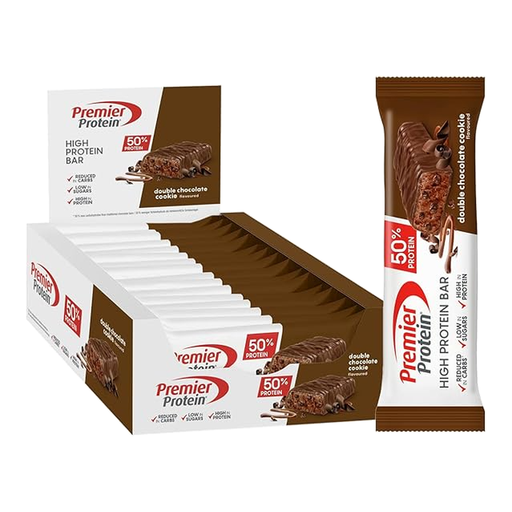
Premier Protein - High Protein Bar 50% - Double Chocolate Cookie
Why This Fits Their Persona: Ideal for athletes aiming for maximum protein intake to support muscle growth. The focus is clearly on functionality without major compromises in taste or texture.
This bar sidesteps the 'high-protein' illusion by delivering an objectively high protein content of 50% while keeping sugar to a minimum. Its nutritional profile is designed for performance, not pretense.
20g of protein in a 40g bar; very low sugar content; palm oil-free.
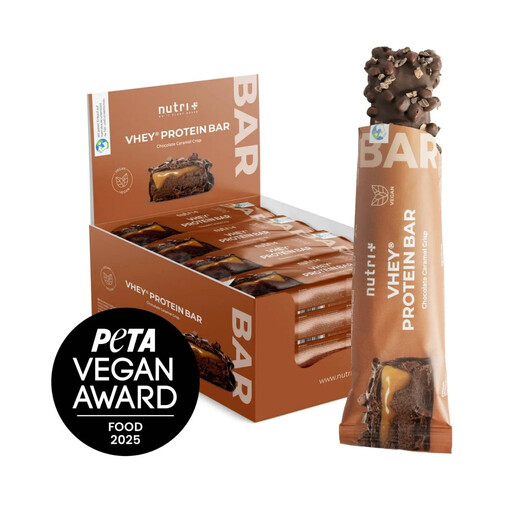
Nutri+ VHEY Protein Bar Chocolate Caramel Crisp
Why This Fits Their Persona: Perfect for those who follow a vegan lifestyle or simply want to avoid animal products without compromising on taste or protein content.
This bar avoids the sugar trap by using sweeteners like maltitol and sucralose. It relies on a thoughtful blend of pea and hemp protein instead of cheap fillers.
Purely plant-based ingredients (vegan); 13g of protein per bar; high in fiber from oligofructose syrup.
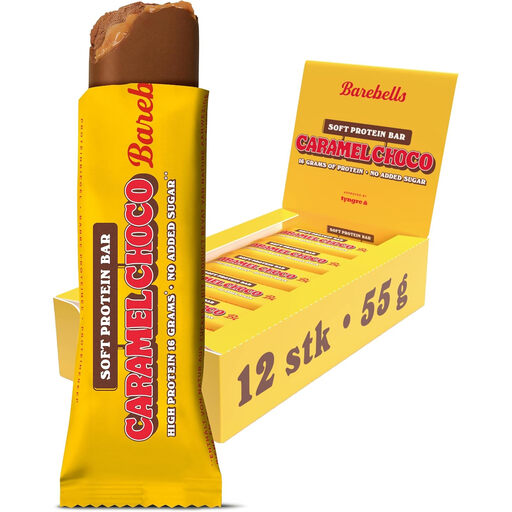
Barebells Soft Protein Bar Caramel Choco
Why This Fits Their Persona: An excellent all-rounder for daily use. It offers a great balance of taste, soft texture, and solid nutritional values for post-workout recovery or as a satisfying snack.
This bar positions itself as an indulgent alternative that still delivers a solid 16g of protein and keeps the sugar content extremely low at under 2g per bar. It's not a disguised candy bar, but a well-designed protein snack.
Very soft, pleasant texture; low sugar content with a full caramel-chocolate flavour; 16g of protein per bar.
Looking for More Options?
We've compiled a complete, up-to-date list of products that fully meet these strict selection criteria.
Frequently Asked Questions (FAQ)
When is the best time to eat a protein bar?
A protein bar is especially effective within 30 to 60 minutes after a workout to support muscle recovery. It can also serve as a high-protein snack to prevent cravings and distribute protein intake throughout the day. However, it should not be seen as a regular meal replacement, as a balanced meal offers a wider variety of nutrients.
Are protein bars good for weight loss?
Protein bars can be a helpful part of a calorie-controlled diet. Protein has a high satiety effect, which can help reduce overall calorie intake. However, many bars are very high in calories. Therefore, pay attention to the total calories per bar and choose a low-sugar option. A bar alone won't lead to weight loss; the day's total energy balance is what counts.
What should I look for in vegan protein bars?
With vegan protein bars, the protein source is particularly important. Since individual plant proteins often lack a complete amino acid profile, products with a blend of multiple sources (e.g., pea and rice protein or soy protein) are preferable. Also, check the ingredient list for hidden sugars and unnecessary fillers. Vegan bars are not automatically healthier, so the same selection criteria apply as for other bars.