
Choosing Gyoza: Buyer's Guide
For many, gyoza, the classic Japanese dumplings, are synonymous with a quick yet sophisticated treat. Whether as a main course, side dish, or snack, the demand for high-quality frozen gyoza for home cooking is steadily growing. However, the market can be confusing, and not every product delivers on its promise. Before you buy gyoza again, you should know the common pitfalls that often lead to a disappointing meal.
As your Joybuy Product Recommendation Officer, I'm here to filter the essential information so you can make an informed decision. Here are the most common problems and what to look out for:
- The "Vegetable" Trap: Many gyoza labelled as "vegetarian" consist mainly of cabbage and onions. The filling is often watery and bland instead of offering a diverse mix of high-quality vegetables.
- The Dough Dilemma: Authentic gyoza are characterized by a thin, delicate dough that becomes crispy on the bottom when fried and steamed on top. Dough that is too thick quickly turns gummy, overpowers the filling, and significantly detracts from the eating experience.
- Vague Ingredient Lists: Non-specific terms like "vegetable oils" or a missing percentage for the main ingredients can indicate the use of inferior components.
What Really Matters When Buying Gyoza
To avoid these issues, you should check three core parameters before making a purchase. These will help you objectively assess the quality and character of the dumplings.
1. Filling Composition and Percentage
The filling is the heart and soul of every gyoza. You can identify a high-quality filling by a clear and detailed ingredient list.
- For meat fillings: Pay attention to the percentage of chicken gyoza or beef. A specification like "Chicken breast 16%" is more precise than just "chicken meat."
- For vegetarian and vegan gyoza: Look for a mix of different vegetables. Products that contain carrots, edamame, mushrooms, or leeks in addition to cabbage usually offer a more complex flavour profile. Brands like Ajinomoto Gyoza or Bibigo Gyoza often list the exact vegetable composition.
- Protein sources: For vegan gyoza, tofu or textured soy protein are common bases. Check the ingredient list for the quality and percentage of the protein source.
2. Dough Type and Recommended Preparation
The dough determines the texture. Whether you're buying Japanese dumplings or looking to buy mandu, the choice affects the dough's thickness and the ideal cooking method.
- Japanese Gyoza: Typically have a very thin dough, which is ideal for pan-frying (yaki-gyoza) to achieve a crispy bottom.
- Korean Mandu: Can have a slightly thicker or more elastic wrapper and are more versatile in preparation—they are suitable for steaming, boiling in soups, or also for frying.
- Manufacturer's Recommendation: The preparation method indicated on the packaging is not a coincidence. It is tailored to the specific dough thickness and filling to achieve the best possible result.
3. Brands and Origin as a Guide
Established brands are often an indicator of a particular style.
- Ajinomoto: A Japanese company whose gyoza often adhere to the classic Japanese style—thin dough and a delicate filling.
- Bibigo: A Korean brand known for its mandu. Here, you'll often find bolder, Korean-inspired fillings like kimchi or bulgogi.
These parameters will help you separate the wheat from the chaff and find frozen dumplings that meet your expectations.
Our Top Kitchen Staples
Here are some recommendations tailored to different needs and flavour profiles that meet the quality criteria mentioned above.
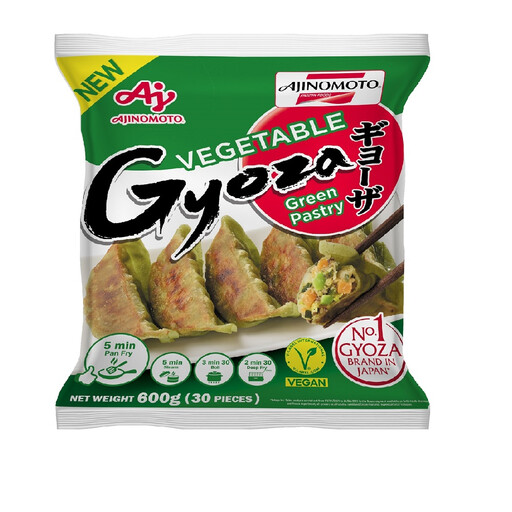
Ajinomoto Gyoza - Vegetable in Green Pasty (30 Pieces) 600g
Why it's a great fit: Ideal for anyone looking for a purely plant-based filling that goes beyond standard vegetables. The mix of cabbage, carrots, wood ear mushrooms, and edamame soybeans provides a varied texture and a balanced flavour.
This product escapes the "vegetable trap" with a transparent ingredient list featuring a diverse mix that provides texture and aroma, rather than relying solely on cabbage.
The 600g bulk pack with 30 pieces offers great value for stocking up. The dough, coloured with spinach powder, is also visually appealing.
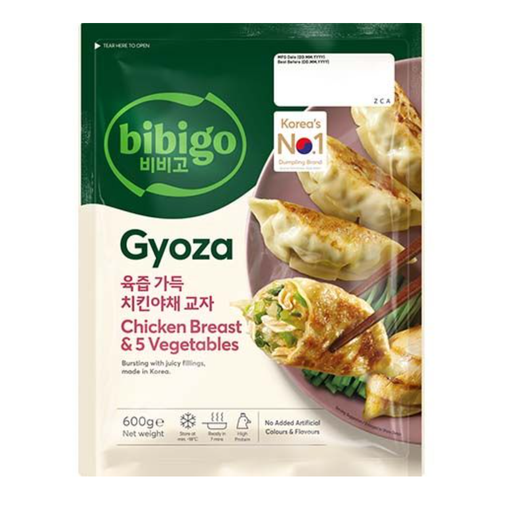
BIBIGO Gyoza Chicken Breast&5 Vegetables 600g
Why it's a great fit: For those who prefer the typical Korean mandu style. The filling of chicken breast and a declared mix of five vegetables, wrapped in a thin dough, is designed for a crispy texture when pan-fried.
The clear declaration of "Chicken Breast" and "5 Vegetables" counteracts vague ingredient lists. The thin dough is specifically designed for frying, avoiding the gummy dough dilemma.
The Bibigo brand is known for its Korean specialities, which provides a reliable guide for authentic flavour. The protein content is a solid 9.1g per 100g.
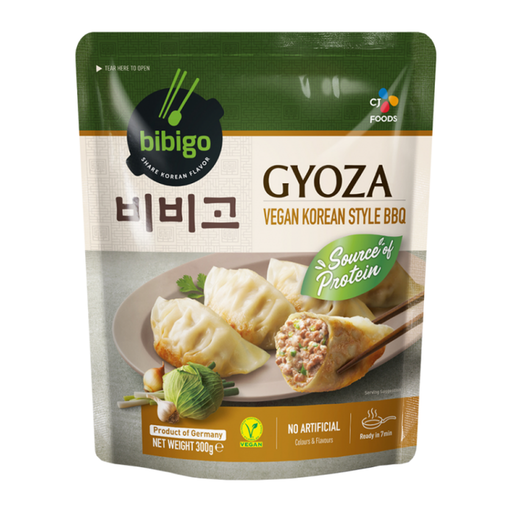
bibigo Korean BBQ Gyoza (Vegan) 300g
Why it's a great fit: This product is an excellent choice for vegans who want more than just a simple vegetable filling. The bold, smoky flavour of Korean BBQ, combined with soy sauce and sesame oil, delivers an intense taste experience.
It sidesteps the trap of bland vegetarian fillings by offering a clear and powerful flavour profile. The base of wheat gluten and various soy products provides a meat-like texture.
At 11.3g of protein per 100g, this product is a remarkable protein source for a vegan meal. The 300g pack is ideal for smaller households or for trying it out.
Looking for More Options?
We have compiled a complete, up-to-date list of products that fully meet these strict selection criteria and German regulations.
Frequently Asked Questions
1. How do I properly store opened frozen gyoza? To maintain quality, the bag should be sealed tightly after opening, ideally with as little air inside as possible. Immediately return the gyoza to the freezer at -18°C (-0.4°F). Dumplings that have been thawed should not be refrozen.
2. What is the difference between gyoza and mandu? Gyoza are the Japanese version of dumplings. They are often crescent-shaped, have a thin dough, and are usually pan-fried (yaki-gyoza). Mandu is the Korean term for dumplings. They come in various shapes and sizes, and their dough can be thin or slightly thicker depending on the type. Mandu can be fried, steamed, boiled, or served in soups.
3. Do I need a special sauce when buying gyoza? Although many gyoza are tasty on their own, a dipping sauce completes the experience. A classic and quick-to-prepare sauce consists of soy sauce, a splash of rice vinegar, and optionally a few drops of sesame or chili oil. Ready-made gyoza dipping sauces are also available in stores.