
A Guide to Choosing Pork Dumplings
Frozen pork dumplings are a convenient solution for a quick and delicious meal. However, the online selection can be overwhelming, and not every product lives up to its packaging. As your Joybuy Product Recommendation Officer, I'm here to help you avoid the common pitfalls and make an informed choice that meets your expectations for authentic Asian cuisine.
Many shoppers are disappointed after unboxing their purchase. Here are two common problems to watch out for:
- Misleading Filling-to-Dough Ratio: The images on the packaging often show plump, generously filled dumplings, but in reality, the proportion of filling to dough is low. This results in an overpowering doughy taste and a dry, unsatisfying filling.
- Incorrect Preparation Due to Unclear Labelling: Not every dumpling is suitable for every cooking method. A thin-skinned Xiaolong Bao, designed for steaming, will fall apart if boiled. Gyoza, on the other hand, only develop their full flavour when pan-fried. Vague product descriptions can quickly lead to a soggy or tough result.
What Really Matters When Making Your Selection
To avoid these issues, you should check two key product characteristics before buying. These provide reliable indicators of quality and expected flavour, regardless of marketing promises.
1. Filling Ratio and Ingredient List
A look at the ingredient list is essential. Pay attention to the percentage of pork. A higher meat content usually indicates a juicier, more flavourful filling. A transparent ingredient list without an excessive number of fillers, starches, or flavour enhancers is also a good sign. Products like pork gyoza or classic Chinese dumplings should list meat and vegetables as their main components.
2. Dough Type and Recommended Cooking Method
The type of dough largely determines the texture and the ideal preparation method. Here are some common varieties:
- Jiaozi / Dumplings: This is the general term for Chinese dumplings. The dough has a medium thickness and is well-suited for boiling, steaming, or pan-frying. They are a versatile option for quick Asian meals.
- Gyoza: The Japanese version of jiaozi, these typically have a thinner wrapper and are usually pan-fried and then briefly steamed (the potsticker method).
- Xiaolong Bao (Soup Dumplings): This speciality features a very thin yet elastic wrapper that encloses a hot, gelatinous broth that liquefies upon steaming. They must be steamed to prevent them from bursting.
- Siu Mai: These Cantonese dim sum are open-topped and have a thin, yellowish wheat wrapper. They are exclusively steamed and often filled with a mixture of pork and shrimp.
- Mandu:Korean mandu are similar to jiaozi but are often rounder in shape and can contain kimchi or glass noodles in addition to pork.
The product description should include clear instructions on the recommended cooking method. When you buy frozen dumplings, make sure the variety matches your preferred preparation style.
Taste Profile Recommendations
Here are some recommendations tailored to different preferences and use cases.
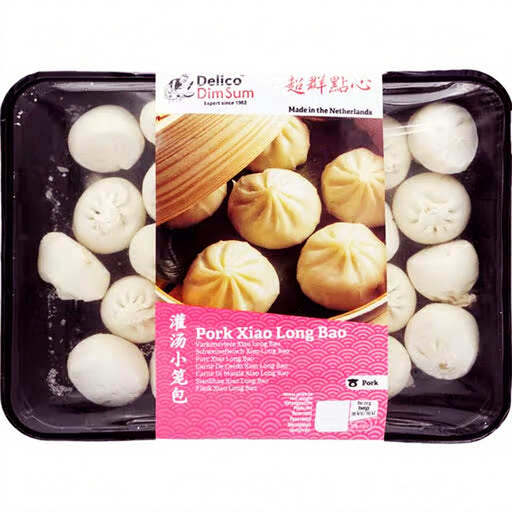
Delico Dim Sum Pork Dumplings Xiaolong Bao (Big Box) 780g
Why it's a match: Ideal for anyone seeking the authentic experience of Xiaolong Bao. The filling contains a rich broth that is released during steaming—a classic feature of this dim sum speciality.
The clear labelling as "Xiaolong Bao" and explicit steaming instructions prevent incorrect preparation and ensure the dumplings don't fall apart.
The combination of a thin wrapper and a juicy soup filling provides an authentic taste experience not found in standard dumplings.
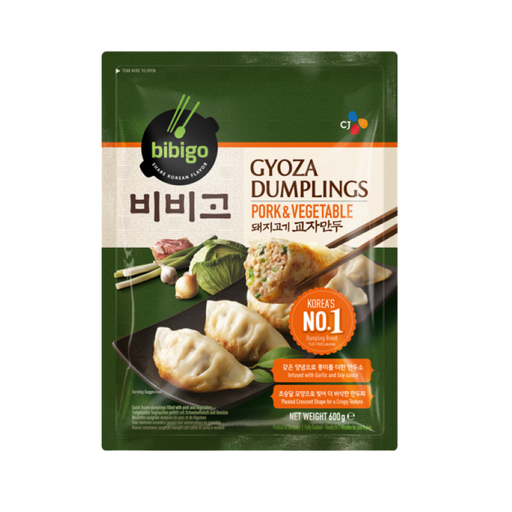
bibigo Pork & Vegetable Gyoza 600g
Why it's a match: These pork gyoza are a versatile all-rounder. They are excellent for pan-frying to get a crispy bottom but can also be steamed or boiled. Perfect for a quick meal after a long day at work.
The filling, with 30% pork and vegetables, offers a balanced texture and prevents the problem of a dry or sparse filling.
Its versatility in preparation makes this product a flexible option for various meals and occasions.
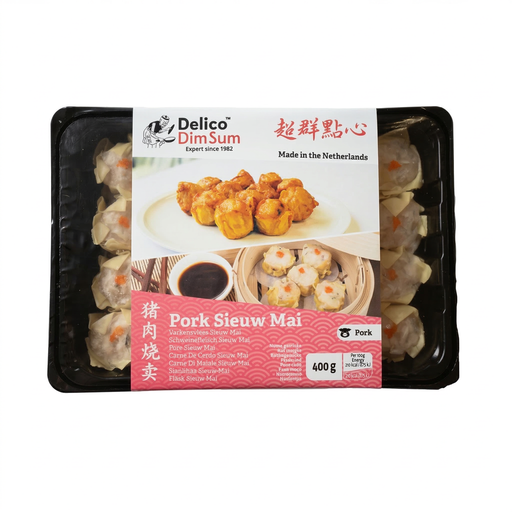
Delico Dim Sum Pork Siu Mai (Medium) 400g
Why it's a match: For anyone who wants to buy dim sum with a classic Cantonese flavour to enjoy at home. Siu Mai are one of the most famous types of dim sum and are traditionally steamed.
The characteristic open-topped shape and clear product name "Siu Mai" ensure you get the exact dim sum speciality you're expecting.
The pork and shrimp filling delivers the typical, savoury flavour that defines Siu Mai. Preparation in a steamer is straightforward.
Looking for More Options?
We've compiled a complete, up-to-date list of products that meet these selection criteria. Discover more dumplings, Asian meatballs, and ingredients for your next hot pot.
Frequently Asked Questions
1. How do I properly store frozen dumplings so they don't stick together?
Always store the dumplings at -18°C or colder. To prevent them from sticking together after opening the package, you can spread them out on a baking sheet lined with parchment paper, freeze them briefly until they are firm, and then transfer them back into a freezer bag. This allows you to remove them individually.
2. Can you cook dumplings in an air fryer?
Yes, many dumplings, especially gyoza, work well in an air fryer. Lightly spray the frozen dumplings with oil and cook them at approximately 180–200°C for 8–12 minutes, until they are golden-brown and cooked through. The result is an exceptionally crispy texture.
3. What is the difference between Gyoza, Mandu, and Jiaozi?
Although all three are filled dumplings, there are subtle differences:
- Jiaozi (China): The general term for a variety of dumplings that can be boiled, steamed, or pan-fried. The wrapper is usually slightly thicker.
- Gyoza (Japan): Typically made with a thinner wrapper and a finer filling. The preferred cooking method is pan-frying followed by steaming.
- Mandu (Korea): Can contain a variety of fillings, including kimchi or glass noodles. The shape is often rounder or crescent-shaped. They are also boiled, steamed, or pan-fried.