
Buying Plant-Based Milk Alternatives: Types, Nutritional Values and Suitable Products Compared
Plant-based milk alternatives are versatile in everyday life: in coffee, muesli, smoothies, baking or as a chilled drink on the go. The range extends from oat and soya drinks to almond drinks, protein varieties and instant powders. However, the sheer variety of products can also lead to unsuitable purchases.
Common Buying Mistakes with Plant-Based Drinks
1. “No added sugar” is confused with “sugar-free”
A product can contain no added sugar and still contain naturally occurring sugars. For example, the nutritional table for Alpro Barista Oat Drink lists 3.3 g of sugar per 100 ml, even though the product information states that no additional sugars or sweeteners have been added. By contrast, a sugar-free plant-based drink such as Alpro Almond Drink Sugar-Free contains 0 g of sugar per 100 ml.
2. Every plant-based milk alternative is automatically suitable for coffee
Oat, almond and soya drinks differ in fat content, protein, acid stability and foaming performance. For cappuccinos or lattes, a product specifically labelled as a Barista drink is usually the more reliable choice. A standard plant-based drink may separate in hot coffee or produce less stable foam.
3. Small individual packs are not always good value
250 or 300 ml portions are convenient for taking with you, but they often involve more packaging in relation to the amount of drink. For households with daily consumption, 1-litre cartons or multipacks may be more suitable. Before buying, it is worth comparing the total quantity, unit price and shelf life after opening.
Parameters to Check Before Buying
Ingredients and sweetening
The order of the ingredients shows which components make up the largest quantities. In a soya drink, water and soya beans or soya extract should be clearly identifiable. If you prefer a less sweet flavour, check the “of which sugars” figure per 100 ml and distinguish it from “no added sugar”.
For households with allergies, the allergen information is also crucial. Soya, almonds and cereals containing gluten, such as oats, must be taken into account. “Lactose-free” does not automatically mean that a product is free from soya, nuts or gluten.
Protein, fat and calcium
Compared with many nut drinks, soya drinks often contain more protein. Alpro Soy Drink Protein lists 3 g of protein per 100 ml. According to the product data, Vly High Protein Milk Alternative contains 5 g of protein per 100 ml. Alpro’s almond drink, by contrast, contains 0.4 g per 100 ml.
Calcium content is also relevant when comparing products. Several fortified products in the selection state 120 mg of calcium per 100 ml. The specific nutritional table on the packaging is decisive, as recipes may vary between different varieties. Nutritional values are provided for comparison and do not replace individual dietary advice.
Intended use and storage
Barista products with information about foaming performance are suitable for coffee. For muesli and smoothies, flavour, sweetness and consistency may be more important. When baking, check whether the drink has already been sweetened, so that the recipe is not unintentionally altered.
Unopened long-life drinks can usually be stored outside the fridge. Once opened, the general rule is: keep refrigerated and consume within a few days. The exact instructions vary. For example, Vitasoy Original Soy Milk states that it should be consumed within 24 hours of opening, while several Alpro and Oatly products should be stored in the fridge for up to five days. The information on the individual pack remains authoritative.
Product Selection for Different User Profiles
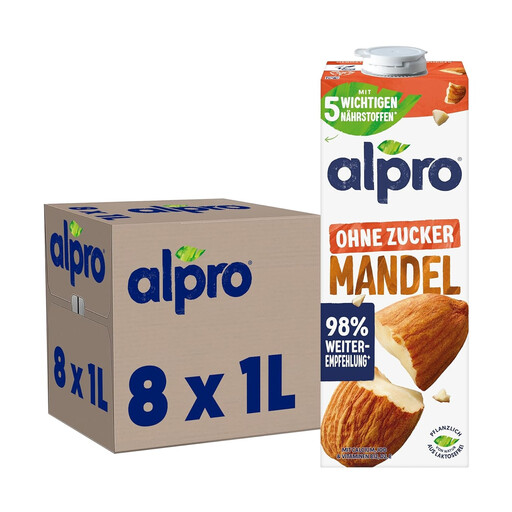
Alpro Almond Drink Sugar-Free 8-Pack (8 x 1 L)
Why this product suits the profile: The 8-pack provides a total of 8 litres for muesli, smoothies or everyday use. According to the product data, the almond drink contains 0 g of sugar per 100 ml and is suitable for a vegan diet.
The nutritional information makes the sugar content transparent. At the same time, the pack size is clearly stated, making it easier to plan a bulk purchase.
0 g of sugar per 100 ml according to the product data, 120 mg of calcium per 100 ml and 8 × 1 litre contents.
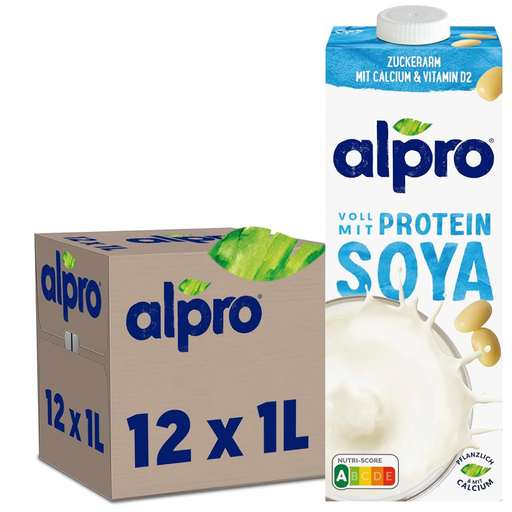
Alpro Soy Drink Protein 12-Pack (12 x 1 L)
Why this product suits the profile: According to the product information, this soya drink combines a 12-litre supply with 3 g of protein and 39 kcal per 100 ml. It can be enjoyed hot or cold and is described as a vegan milk alternative.
The protein content is stated per 100 ml rather than being described only in marketing terms as “high in protein”. This makes it easier to compare the quantity with other plant-based drinks.
3 g of protein per 100 ml, 12 × 1 litre and, according to the product data, free from cows’ milk protein and gluten.
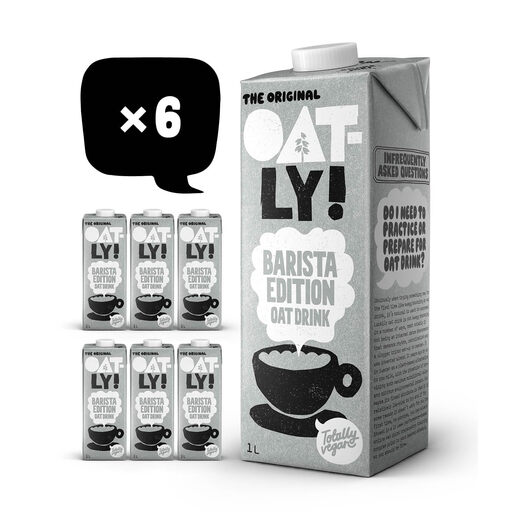
OATLY Oat Drink Barista Edition 6-Pack (6 x 1 L)
Why this product suits the profile: This Barista drink is designed for coffee and foaming. With 6 × 1 litre, it is suitable for households that regularly prepare cappuccinos, lattes or flat whites.
The product positioning explicitly mentions coffee and foaming. The presence of gluten from oats and the storage instructions after opening should also be taken into account.
Barista version, 120 mg of calcium and 1.1 g of protein per 100 ml according to the product data.
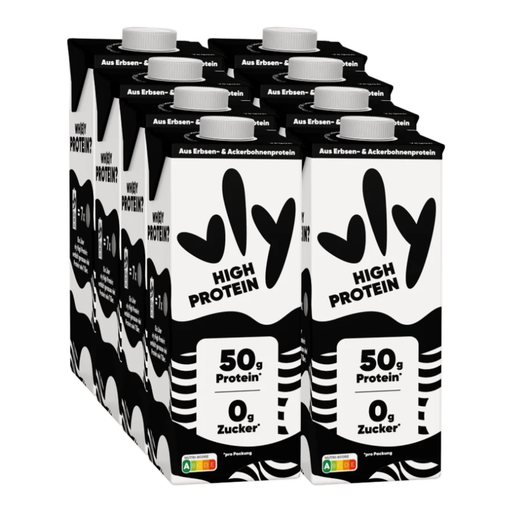
Vly High Protein Milk Alternative 8-Pack (8 x 1 L)
Why this product suits the profile: According to the product data, this plant-based milk alternative contains 5 g of protein and 0 g of sugar per 100 ml. The 8-litre format is aimed at regular users who enjoy it in shakes, smoothies, porridge or on its own.
The protein and sugar values are stated specifically per 100 ml. This makes it possible to check whether the product suits your personal dietary goals without relying on general marketing claims.
5 g of protein, 0 g of sugar and 2.2 g of fibre per 100 ml according to the product information.
Looking for more options?
We have put together a complete, regularly updated list of products that fully meet these strict selection criteria and the safety regulations applicable in the EU.
Practical Selection by Type of Drink
- Soya drink: Suitable for people who prefer a higher protein content. Depending on the recipe, the typical soya flavour may be pronounced or mild.
- Oat drink: Often has a creamy consistency and a slightly grainy flavour. Anyone with coeliac disease or avoiding gluten should check the allergen information.
- Almond drink: Usually lighter, with a nutty flavour. According to the product data mentioned, its protein content is comparatively low.
- Barista drink: Designed for coffee and milk foam. Follow the instructions on the recommended temperature and storage.
- Instant powder: Space-saving and suitable for long-term storage. The actual amount of drink depends on the mixing ratio with water.
- Lactose-free milk alternative: Plant-based products are often naturally lactose-free. However, anyone with allergies must still check for soya, nuts and cereals.
FAQs About Plant-Based Milk Alternatives
Which plant-based milk alternative is suitable for coffee?
For cappuccinos, lattes and other speciality coffees, Barista drinks are a reliable choice because, according to the product description, they are designed for foaming. Oat and almond drinks can affect the flavour of the coffee to varying degrees. A small individual carton is suitable for trying a product before buying a multipack.
How long do plant-based drinks keep after opening?
That depends on the product. In the information available, the recommendations range from 24 hours to five days. Opened cartons should be kept in the fridge and sealed properly. The manufacturer’s instructions on the specific packaging are authoritative.
Which vegan milk alternative is high in protein?
Soya drinks and specialist high-protein plant-based drinks often contain more protein than almond drinks. In this selection, Alpro Soy Drink Protein contains 3 g per 100 ml, while Vly High Protein Milk Alternative contains 5 g per 100 ml according to the product data. For a fair comparison, always use the same reference quantities and compare the complete nutritional table.