
Buying pickled radish: compare flavours and find the right side dish
Pickled radish is a handy accompaniment to rice, noodles, congee, sushi, kimbap and stir-fries. Depending on the recipe, options range from mildly sweet takuan and tangy strips of radish to spicy pickled radish with chilli and Sichuan pepper.
However, you shouldn’t choose based only on the packaging or claims such as ‘traditional’. The key things to check are the ingredients, cut, portion size, allergens and storage instructions after opening.
Common pitfalls when buying pickled radish
1. The level of heat isn’t clearly described
‘Spicy’, ‘mala’ or ‘Sichuan’ point to a particular style of seasoning, but don’t always tell you how strong the chilli or Sichuan pepper will taste. If you’re looking for a mild Asian side dish, check the ingredients list. Chilli, chilli oil and Sichuan peppercorns are usually clearly listed.
For a bolder option, you could try spicy pickled radish, radish with chilli or Sichuan radish. For a milder taste, sweet-and-sour radish strips or mild takuan are often a better fit.
2. Pack size and drained weight are easy to confuse
A large pack doesn’t necessarily mean there’s a lot of ready-to-eat radish inside. With pickled vegetables, water, oil or brine can make up some of the total weight. So check:
- Net weight and, where applicable, drained weight
- Number of individual sachets
- Cut and intended use
- Shelf life after opening
A multipack of small portions can be more practical for lunchboxes or occasional meals than a single jar that needs to be used up soon after opening.
3. Allergens and sweeteners can be overlooked
Depending on the recipe, products may contain sesame, soya, wheat, fish, prawns or sulphites. Some also list sweeteners such as aspartame, saccharin or acesulfame K. If you need to avoid certain ingredients, check the full product information both online and on the packaging.
What to compare
Flavour and culinary style
Chinese pickled radish is often salty, savoury or chilli-forward. Sichuan varieties may also contain Sichuan pepper, chilli oil or rapeseed oil. Korean radish is often sold as kimchi, fermented cubes or danmuji. Japanese radish is commonly sold as takuan or as a pre-sliced accompaniment to sushi and rice dishes.
It’s worth distinguishing between:
- Sweet-and-sour radish for sushi, kimbap and bento
- Spicy, savoury radish for rice, noodles and congee
- Fermented radish kimchi with chilli, garlic and ginger
- Plain diced or sliced radish as an ingredient in stir-fries
Cut and how you’ll use it
Radish strips can be served straight away with sushi, kimbap or rice dishes. Radish cubes work well as a side with congee, noodles and steamed dishes. Whole or halved pieces can be cut to your preference, but take more preparation.
If you want to use radish as a seasoning ingredient in fried rice or a stir-fry, choose small cubes or pieces. Pre-sliced strips are more convenient when you want an Asian side dish that’s ready to serve.
Salt, oil, sugar and portion size
Nutrition information makes it easier to compare products objectively. In the selection below, for example, the stated salt content ranges from 2,8 g to 8,75 g per 100 g. Fat content also varies considerably when oil is part of the seasoning.
That doesn’t mean one particular level will suit everyone. If you only use radish in small amounts as a seasoned accompaniment, you can serve stronger-flavoured products in small portions. For regular meals, check the salt, sugar and fat content per 100 g, as well as the order of the ingredients.
Our picks for different shoppers
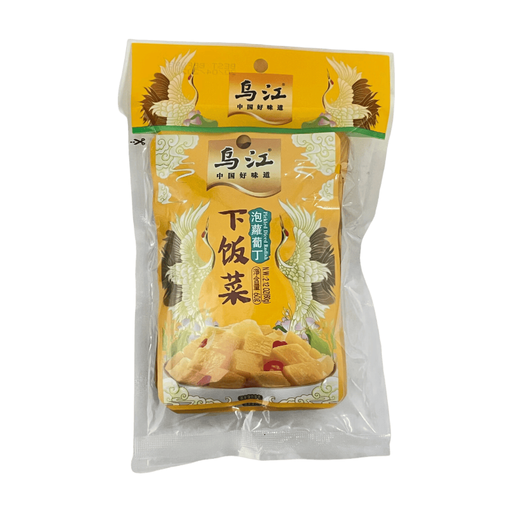
WU JIANG Pickled Diced Radish 60g*4
Why it suits this shopper: Four individual 60 g sachets make it easy to serve portions with rice, porridge or noodles without opening a large pack all at once.
The diced cut and individual portions make it easier to use just the right amount than with a large pack that has already been opened.
93% radish according to the product information, 240 g total weight and ready-to-eat cubes.
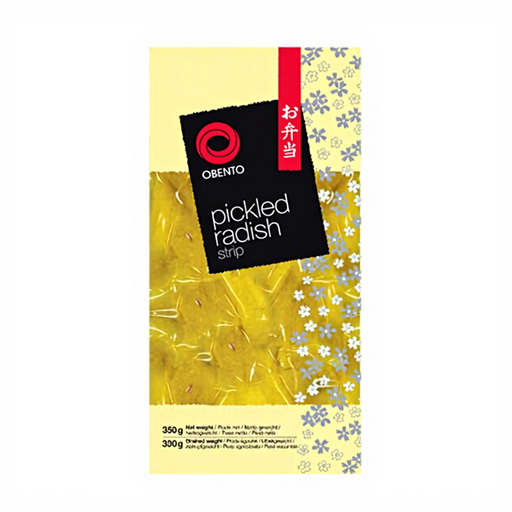
Obento Pickled Radish Strip 350g
Why it suits this shopper: The pre-sliced strips have a sweet-and-sour flavour that goes well with sushi, bento and Japanese rice dishes.
The cut is clearly stated, so there’s no need to slice it before serving.
85% radish according to the product information, with three 350 g packs.
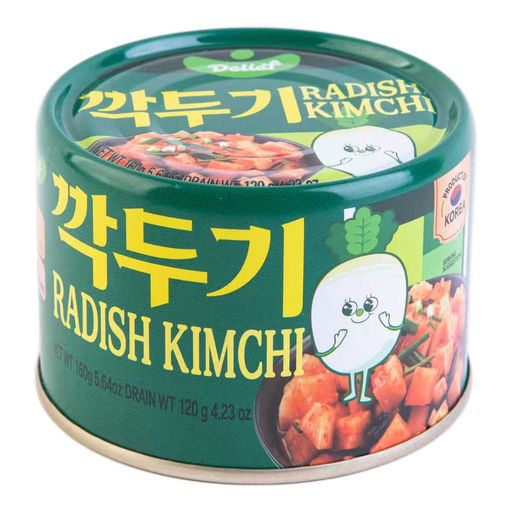
Delief Cubic Radish Kimchi Can 160g
Why it suits this shopper: This diced Korean variety is for shoppers looking for radish kimchi to serve as a side dish or use in Korean recipes.
The product information specifically lists red pepper, garlic, ginger and prawn extract, making it easier to check for allergens.
160 g can, savoury recipe and diced cut for side dishes or adding to recipes.
Looking for more options?
We’ve put together a complete, regularly updated list of products that meet these strict selection criteria and the safety regulations in force across the EU.
Storage and use in Germany
Many products can be stored at room temperature while unopened. Once opened, they generally need to be kept in the fridge. Always follow the instructions on the specific pack, as recommended consumption times vary. Use clean utensils, particularly with products in jars, cans or resealable pouches.
Pickled radish can be served straight from the pack as a side dish. You can also chop it and briefly cook it in stir-fries, fried rice or fillings. If a variety is very salty, a quick rinse can tone down the seasoning, although this will also change the flavour.
Frequently asked questions about pickled radish
What’s the difference between takuan and danmuji?
Takuan usually refers to Japanese yellow pickled radish, often served with sushi and rice dishes. Danmuji is the Korean version and is particularly often served with kimbap and Korean meals. Colour, sweetness, acidity and cut can vary from product to product.
How long does pickled radish keep after opening?
It depends on the packaging and recipe. The product often needs to be refrigerated after opening and used within a few days. Always follow the instructions on the label. If the radish is packed in brine, it should stay covered as much as possible.
Where can you buy pickled radish?
If you want to buy pickled radish, you’ll find Chinese, Korean and Japanese varieties online. Before ordering, compare the flavour, cut, net weight, allergens and storage instructions. That way, you can choose a side dish that suits both your meal plans and how much you’re likely to use.