
PETG Filament Technical Selection Criteria
PETG (Polyethylene Terephthalate Glycol) is a thermoplastic polymer that has become a staple in FDM 3D printing due to its well-rounded profile of properties. It positions itself between PLA (Polylactic Acid) and ABS (Acrylonitrile Butadiene Styrene) by combining the ease of printing found in PLA with the mechanical strength and temperature resistance of ABS. This guide analyses the technical parameters of PETG filament and presents criteria for selecting the right material for functional parts and prototypes.
Buying Guide: What to Look for in PETG Filament
Choosing the right filament is based on an analysis of the print object's technical requirements. The following parameters are relevant for making an informed decision.
Mechanical and Thermal Properties
PETG is characterised by high impact resistance and good flexibility, making it an ideal material for strong and durable components. Compared to PLA, which tends to be brittle, PETG is more likely to stretch under load before breaking.
The glass transition temperature of PETG is typically around 80°C. This makes it significantly more heat-resistant than standard PLA (approx. 60°C) and suitable for applications exposed to moderate temperatures, such as electronics enclosures or interior automotive parts.
A key advantage of PETG is its low warping during the printing process. The glycol modification in its molecular structure inhibits crystallisation during cooling, which results in less shrinkage. This simplifies printing large objects and reduces the need for an enclosed build chamber compared to ABS.
Specialised Variants: PETG vs. PETG Carbon Fibre
For applications requiring even greater stiffness and dimensional stability, composite materials like PETG Carbon Fibre are available. In this material, short carbon fibres are blended into the base PETG polymer.
- Standard PETG: More flexible, higher impact resistance, often available in translucent options. Suitable for general-purpose functional parts.
- PETG Carbon Fibre: Significantly stiffer, with higher tensile strength and lower thermal expansion. The result is exceptionally dimensionally stable parts with a matte surface finish. However, the material's abrasiveness is higher, requiring the use of a hardened steel nozzle on the 3D printer filament extruder.
Diameter and Storage
The most common diameter for desktop 3D printers is 1.75mm filament. A tight diameter tolerance (e.g., ±0.02 mm) is crucial for consistent extrusion and clean print quality.
PETG is hygroscopic, meaning it absorbs moisture from the ambient air. Damp filament leads to issues like severe stringing, bubbling in the extruded material, and mechanically weakened parts. Therefore, dry storage in sealed bags with desiccant is mandatory. For optimal results, especially during long prints, using an active filament dryer is highly recommended. This device heats the filament to a specified temperature, removing stored moisture before and during the printing process.
Our Top Picks
Based on technical specifications and application areas, we present a selection of products here.
CAILAB 3D Printer Filament PETG - Green
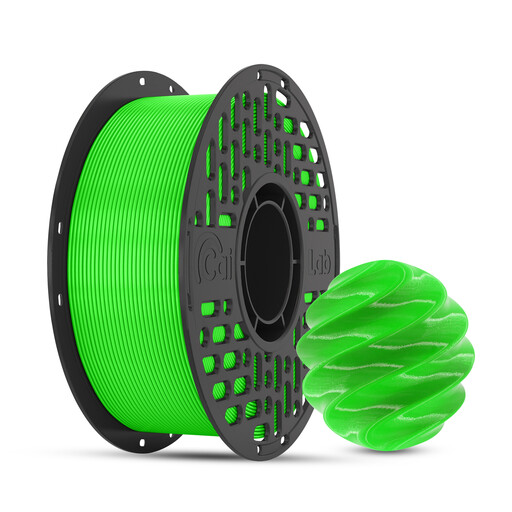
- Why we recommend this product: The CaiLab PETG filament is designed as an all-rounder. According to the manufacturer, it combines the high impact resistance and heat resistance of ABS with the low warping and ease of use of PLA. Its high clarity and glossy finish make it appealing for both functional and aesthetic prints.
- Advantages:
- Combines mechanical robustness with ease of printing.
- Good chemical resistance to oils and common cleaning agents.
- Precise 1.75 mm diameter for reliable extrusion.
- Minimal shrinkage to reduce print failures.
- Who it's for: Users looking for a reliable and versatile filament for printing everyday objects, prototypes, and mechanical components.
CAILAB 3D Printer Filament PETG Carbon Fibre - Gray
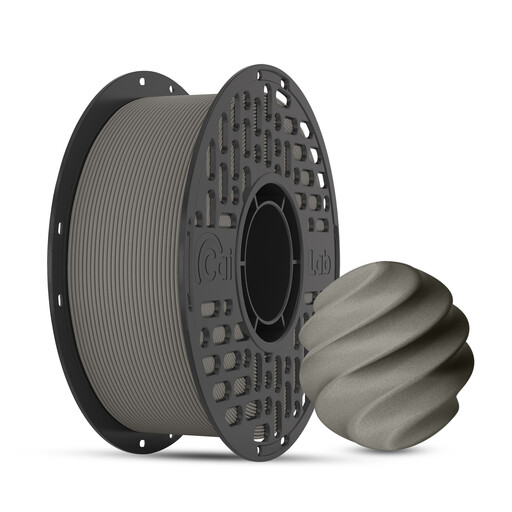
- Why we recommend this product: This variant is aimed at users with advanced mechanical performance requirements. The addition of carbon fibres significantly increases the material's stiffness and strength, qualifying it for demanding technical applications.
- Advantages:
- Increased stiffness and tensile strength compared to standard PETG.
- High dimensional stability and low thermal expansion.
- Matte, professional surface finish that hides layer lines.
- Who it's for: Engineers, designers, and makers who produce lightweight yet high-strength components like drone frames, jigs, or high-load brackets. (Note: Requires the use of an abrasion-resistant nozzle).
Creality Space Pi Filament Dryer Plus
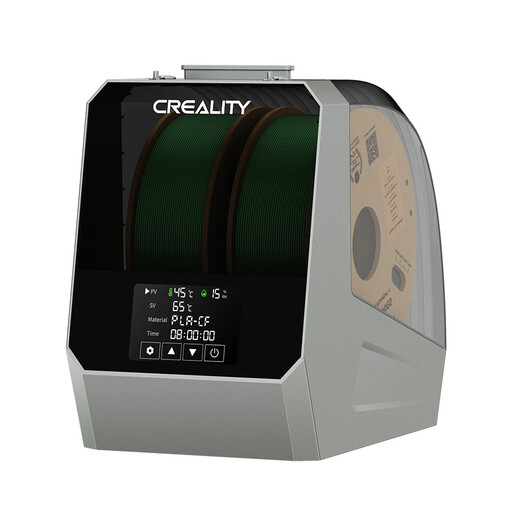
- Why we recommend this product: This device directly addresses the hygroscopic nature of PETG and other engineering filaments. With its ability to hold two spools simultaneously and dry them using 360° hot-air circulation, it provides a process-reliable solution for improving print quality. The ability to dry filament while printing is a major efficiency advantage.
- Advantages:
- Reduces print quality-degrading effects caused by moisture (e.g., stringing).
- Adjustable temperature (45-70°C) and time (0-48h) for various materials.
- Capacity for two 1kg spools and compatibility with 1.75mm and 2.85mm filaments.
- LCD touchscreen for easy operation and monitoring of temperature and humidity.
- Who it's for: All 3D printing users who want to achieve consistent and mechanically sound results with hygroscopic materials like PETG, PETG-CF, TPU, Nylon, or PVA.
Discover More Options and Variants
The products presented here cover key use cases. However, the market offers a much wider variety of colours, specific material blends, and manufacturers. If you are looking for other specialty filaments or different colour options, you can find a broader selection in our main category.
-> Discover more PETG Filament for 3D Printers options here.
Frequently Asked Questions (FAQ)
1. What print temperature and bed are required for PETG? The recommended extruder temperature for PETG is typically between 220°C and 250°C. The print bed temperature should be between 70°C and 85°C to ensure good first-layer adhesion. It is essential to always consult the filament manufacturer's specific guidelines, as optimal values can vary depending on additives. A coated glass plate or a PEI print surface generally works well.
2. Is PETG filament food-safe? The food-safe status of PETG is complex. While the raw PETG material is often considered food-safe, colour pigments or other non-certified additives may be mixed into the filament during manufacturing. Furthermore, the FDM printing process itself can introduce contaminants (e.g., from brass nozzle particle abrasion). For food-contact applications, you should only use filament that has been explicitly certified as food-safe by the manufacturer and complies with the relevant EU regulations (e.g., (EU) No. 10/2011).
3. How can you reduce stringing with PETG? Stringing is a well-known issue with PETG. The most important measures to reduce it are:
- Dry Filament: This is the most critical factor. Use a filament dryer.
- Optimised Retraction Settings: Gradually increase the retraction distance and speed in your slicer software.
- Print Temperature: A temperature that is too high can worsen stringing. Print a temperature tower to find the lowest possible temperature that still provides good layer adhesion.
- Travel Speed: A higher speed for non-extruding movements can reduce the time available for material to ooze from the nozzle.