
A Guide to Paldo Instant Noodles 2026: A Detailed Look at Varieties
Paldo instant noodles have established themselves as a cornerstone in the Asian instant meal market. The brand's popularity is built on a diverse array of flavour profiles that represent various aspects of Korean cuisine. Instead of a one-size-fits-all ramen concept, Paldo offers specific products that fundamentally differ in noodle texture, sauce base, and preparation method. This article analyses the technical specifications and practical features of select Paldo varieties to help you make an informed decision.
Buyer's Guide: Objective Criteria for Selecting Paldo Noodles
The decision to choose a particular type of Paldo ramen or other Korean noodles should be based on clearly definable product characteristics. The following parameters are relevant for your selection:
- Noodle Type and Texture: The thickness and composition of the noodles determine the mouthfeel. Varieties like Jjajangmen typically use thicker, chewier noodles that can hold a rich sauce well. Thinner noodles, often found in soup dishes, cook faster and have a lighter texture.
- Sauce Base: The products can be divided into three main categories:
- Soup-based (Gukmul): Classic Paldo Ramen with a liquid broth.
- Stir-fry Sauce (Bokkeum): Thick sauces that are mixed with the drained noodles after cooking, as seen in Rabokki.
- Cold-mix Sauce (Bibim): Sauces that are tossed with cold-rinsed noodles, characteristic of Paldo Bibimmen.
- Flavour Profile: The primary flavours are defined by key ingredients like Gochujang (fermented Korean chilli paste) for spice and sweetness, or Chunjang (black bean paste) for a savoury, salty, and slightly sweet umami profile.
- Preparation Method: Most varieties are served hot. A notable exception is Bibimmen, which is traditionally designed as a cold noodle dish, making it ideal for consumption in warmer weather.
Our Top Picks for 2026
The following selection represents three distinct flavour profiles from the Paldo range. The analysis focuses on their composition and intended application.
Paldo Bibimmen 5 x 130g (1 Pack)
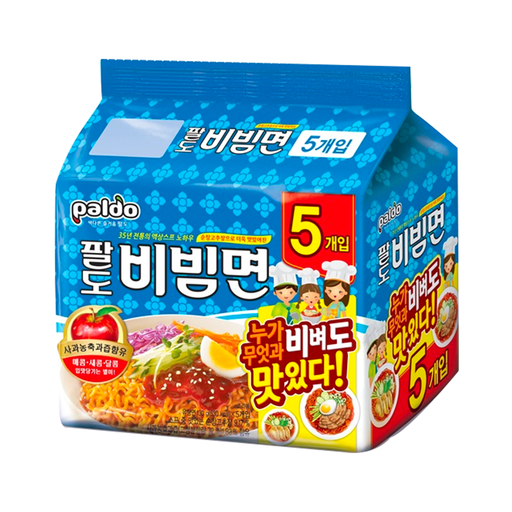
Why We Recommend This Product Paldo Bibimmen is a niche product in the instant noodle space, as it is designed to be eaten cold. The sauce is based on gochujang, vinegar, and sugar, resulting in a complex sweet, sour, and spicy flavour. The preparation method—boiling, draining, and rinsing the noodles in cold water—preserves a firm, chewy texture.
- Pros:
- Unique flavour profile that combines sweet, sour, and spicy notes.
- Designed to be eaten cold, making it an excellent option for quick meals in warm weather.
- Preparation is complete in just 3-4 minutes.
- Who It's For:
- Users who prefer a refreshing and light noodle dish without a hot broth.
- Those looking for the authentic taste of Korean cold noodles (Bibim-Guksu) in a convenient, instant format.
Paldo Rabokki 4x145g
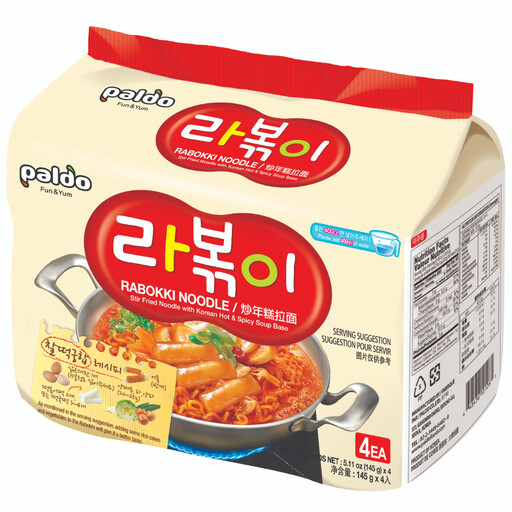
Why We Recommend This Product Rabokki is a hybrid of two popular Korean street food dishes: Ramen (noodles) and Tteokbokki (spicy rice cakes). Paldo Rabokki replicates this concept in an instant version. The thick, sticky sauce is prominently sweet and spicy. The noodles are designed to retain their firm, chewy texture even after being cooked in the sauce.
- Pros:
- Combines the flavour elements of ramen and tteokbokki in a single dish.
- The sauce has a high viscosity and clings well to the noodles.
- The flavour profile is intensely sweet and spicy, appealing to fans of bold flavours.
- Who It's For:
- Consumers who appreciate savoury, very spicy, and slightly sweet dishes.
- Those looking for a meal with a substantial, thick sauce instead of a light broth. Ideal for customising with toppings like cheese, eggs, or spring onions.
Paldo Jjajangmen 4x200g
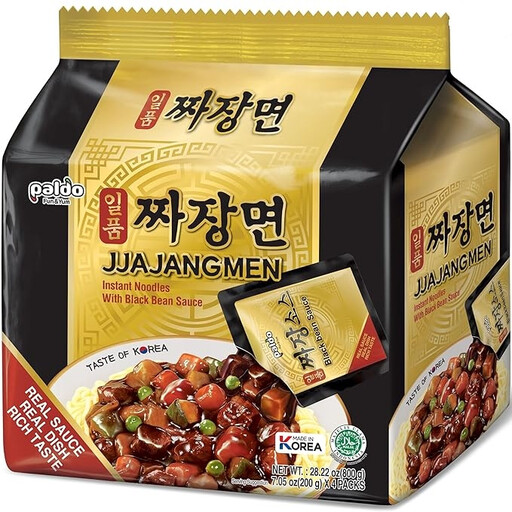
Why We Recommend This Product Jjajangmen (or Jjajangmyeon) is a Korean-Chinese noodle dish whose defining feature is its sauce made from Chunjang (a salty black bean paste). Paldo Jjajangmen delivers an authentic interpretation with thick noodles and a rich, savoury sauce. Unlike many other Korean noodle dishes, it is not spicy, but is instead characterised by a deep, earthy, and salty-sweet umami flavour.
- Pros:
- Non-spicy flavour profile that appeals to a broader audience.
- The thick noodles provide a satisfyingly chewy mouthfeel.
- The black bean paste-based sauce is a classic flavour in Korean cuisine.
- Who It's For:
- Those who prefer Jjajang noodles or savoury, umami-rich dishes without the heat.
- Users looking for an alternative to the typical spicy or broth-based Asian instant noodles.
Other Options in Asian Instant Meals
The products featured here cover specific segments of the Korean noodle scene. For users who wish to expand their repertoire beyond this selection or discover other types of Asian instant noodles, our main category offers a broader selection. You can find an overview of various products and brands in the Instant Meals category.
Frequently Asked Questions (FAQ)
1. How are Paldo instant noodles prepared correctly? Preparation varies by variety. For soup-based ramen, the noodles and seasonings are boiled together in water. For varieties with a thick sauce like Jjajangmen or Rabokki, the noodles are cooked separately, most of the water is drained, and the sauce is then mixed in. For Bibimmen, the noodles are rinsed with cold water after cooking and then tossed with the sauce. The exact instructions are printed on each package.
2. Are all Paldo noodles spicy? No. While many popular varieties like Rabokki or Bulnak Bokkeummyun (Fire Octopus Noodles) have a high level of spice, there are explicitly mild options. Paldo Jjajangmen is the primary example of a savoury but not spicy dish. Bibimmen offers a moderate, sweet heat.
3. What is the difference between Paldo Rabokki and Paldo Jjajangmen? The main difference lies in the sauce base and flavour profile. Rabokki uses a red, gochujang-based sauce that is sweet and very spicy, mimicking the taste of tteokbokki. Jjajangmen, on the other hand, is based on a black, non-spicy bean paste (Chunjang), which gives the dish a deep, salty-savoury umami flavour. The noodle texture can also differ, with Jjajangmen often being served with thicker noodles.