
Outdoor Planters: Our Top Picks for Your Garden & Balcony in 2026
Choosing the right outdoor planter is often a balancing act between aesthetics and functionality. An outdoor planter must not only complement the design of your patio, balcony, or garden but also withstand the elements. From intense summer sun to winter frost, the material and craftsmanship are crucial for longevity. This guide presents a selection of planters and offers guidance for your decision.
What to Look for When Choosing Outdoor Planters
Before making a decision, consider a few key features to ensure the planter meets your needs.
1. Material Properties and Weather Resistance
The material is the primary factor in determining if a flower pot is weatherproof and durable.
- Fibreclay Composite: A modern solution, this blend of clay, fibreglass, and magnesium chloride is often UV and temperature-resistant, making it an excellent choice for year-round outdoor use. A frost-proof planter box made from this composite resists cracks that can be caused by freezing water.
- Ceramic: Classic ceramic pots are popular for their natural look. When using them outdoors, it's important to pay attention to quality. High-quality, fired ceramic can be resilient, while simpler versions may crack in frosty conditions. They are often well-suited for sheltered areas or as an indoor designer plant pot.
- Metal (e.g., Iron): Metal frames or planters offer high stability and an industrial or modern look. Look for a powder coating or another form of sealant to prevent rust.
2. Size and Functionality
The size of the planter should suit both the plant and the location. A large planter can serve as a statement piece and a privacy screen, while a smaller planter for the balcony offers more flexible placement. Check for drainage holes at the bottom. These are essential to prevent waterlogging, which can cause root rot. For outdoor planters without holes, a drainage layer of gravel or expanded clay should be added at the bottom.
Planter Recommendations for 2026
Here is a selection of planters that stand out for their material, design, and specific features.
1. Beliani Plant Pot MYRA, 60 x 29 x 30 cm, Black
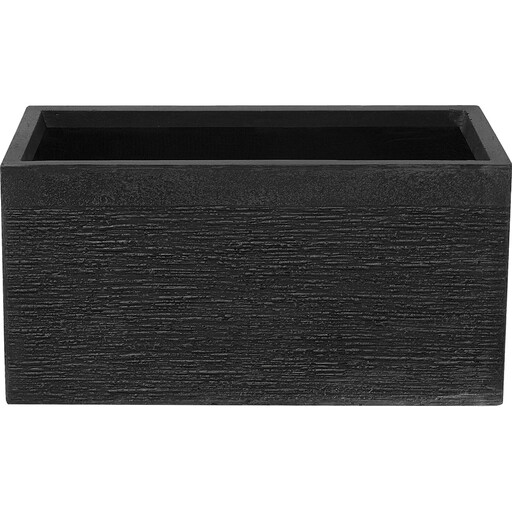
Why It Stands Out: This elongated planter box combines a modern, linear shape with a highly functional material. Its rectangular form makes it ideal as a privacy screen on a patio or as a stylish room divider.
According to the manufacturer, the planter is made from a clay-fibre composite combined with magnesium chloride and fibreglass. This material is known for its robustness and weather resistance. It is rated for a temperature range of -20° to +40° Celsius, qualifying it for year-round outdoor use.
Advantages:
- Material: Robust, UV and temperature-resistant fibreclay composite.
- Functionality: Pre-drilled drainage holes at the bottom prevent waterlogging.
- Design: The modern, elongated shape works well as a patio planter or room divider.
- Versatility: Suitable for both indoor and outdoor use.
Who It's For: Those looking for a durable and low-maintenance modern flower pot that is both functional and aesthetically pleasing. Ideal for designing patios, large balconies, or as a decorative element in an entryway.
2. Premier Housewares Small Garden Pot, Ceramic
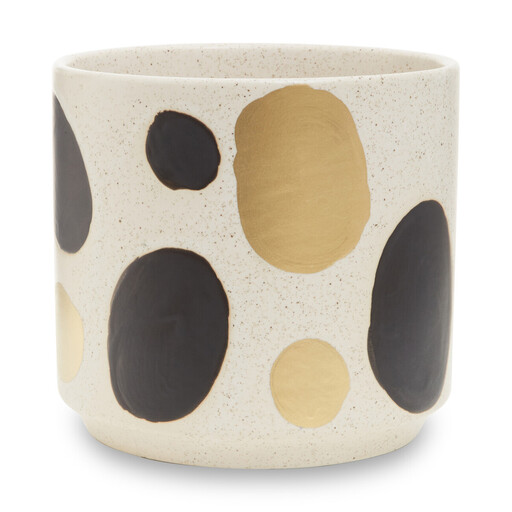
Why It Stands Out: This small plant pot from Premier Housewares impresses with its minimalist design and high-quality ceramic material. Its compact size makes it a versatile choice for smaller plants and various interior styles.
Although described as a "garden pot," this stoneware model is particularly well-suited for indoor use or sheltered outdoor areas like covered balconies. The simple, black finish gives it a timeless elegance.
Advantages:
- Material: Made from durable stoneware (ceramic).
- Design: The minimalist and simple design blends seamlessly into various decor styles.
- Care: According to the manufacturer, the smooth surface is easy to clean with a damp cloth.
- Size: Compact dimensions (14 x 14 x 14 cm) are ideal for windowsills or side tables.
Who It's For: Users looking for a stylish and compact planter for the balcony or for indoors. It's a great choice for succulents, herbs, or smaller flowering plants in modern living spaces.
3. Premier Housewares Trosa Floor Planter, Grey and Black
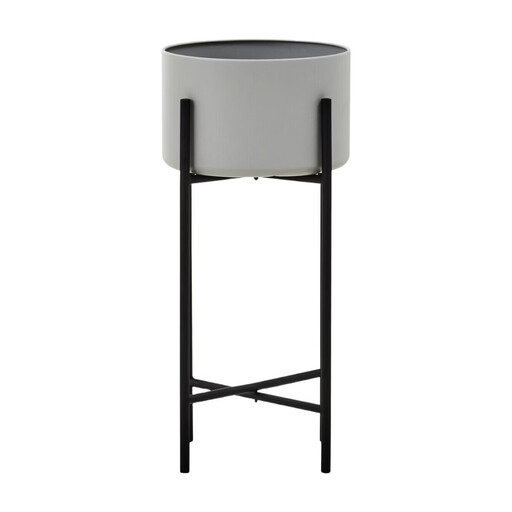
Why It Stands Out: The Trosa planter is more than just a container—it's a piece of furniture. Its elevated design on a four-legged iron stand prominently showcases the plant. This model is a real eye-catcher as a black and grey planter.
The pot itself is made of grey metal, while the stand is black iron. This combination gives it a contemporary character. According to the manufacturer, it is designed for artificial flowers, making it a low-maintenance decorative solution.
Advantages:
- Design: Elevated position on a stylish, crossed iron stand.
- Material: Sturdy construction made of iron.
- Look: The contrast between the grey pot and the black stand creates a modern look.
- Focus: Ideal for displaying artificial plants or dried flowers as a design object.
Who It's For: For anyone looking for a decorative, floor-standing garden planter for indoor or covered outdoor areas. It is particularly suitable for displaying artificial plants in entryways, living rooms, or offices.
Looking for More Options?
The choice of the right planter depends heavily on its intended use. If you are specifically looking for indoor solutions or low-maintenance options for office spaces, artificial plant arrangements might be a suitable alternative.
️ Discover a wider selection of Artificial Flower Pots for the Office here.
Frequently Asked Questions (FAQ)
1. What does "frost-proof" mean for a planter?
A frost-proof planter box is made from materials that will not crack or get damaged in sub-zero temperatures. This is often achieved through the material's low water absorption or a flexible structure. Materials like fibreglass, high-quality plastics, or special clay-fibre composites are typically frost-proof. Water that seeps into porous materials like terracotta expands when it freezes and can crack the planter.
2. What is the best material for outdoor planters?
There is no single "best" material, as the choice depends on personal priorities.
- For durability and light weight: Fibreglass or fibreclay composites are an excellent choice. They are weatherproof, often UV-resistant, and lighter than stone or concrete.
- For a natural look: High-quality, thick-walled ceramic or wood (with appropriate treatment) are aesthetically pleasing.
- For a modern design: Metal (like Corten steel or powder-coated aluminium) and concrete-look finishes are very popular.
3. Do outdoor planters always need holes in the bottom?
Yes, for use with real plants, drainage holes in the bottom of an outdoor planter are essential. They allow excess rain or irrigation water to drain away, preventing waterlogging, which would lead to root rot and the death of the plant. If a planter does not have holes, they can often be carefully added with a suitable drill bit.