
Open-Ear Headphones Buying Guide: Choose the Right Pair
Open-ear headphones promise the freedom to enjoy music, podcasts, or calls without losing connection to your surroundings. But the market is flooded with models whose marketing promises often fall short in practice. As a Joybuy Product Recommendation Officer, I'll help you cut through the noise and navigate the common pitfalls, so you can make an informed decision.
Many buyers invest in a pair of these innovative headphones, only to find them unusable after a short time. The most common problems can be boiled down to three key issues:
- Improper Fit and Lack of Stability: A common annoyance is ear clip headphones that look great in product photos but slip during movement or become uncomfortable after an hour. A design not engineered for a wide variety of ear shapes quickly leads to frustration.
- Poor Sound Quality and Sound Leakage: The open design is a technical challenge. Many budget-friendly models sound tinny, lack bass, and—even more annoyingly—allow people around you on the train or in the office to easily overhear your audio.
- Misleading Battery Life Claims: Manufacturers often advertise the total runtime including the charging case. However, for users planning long runs or needing to get through a full workday, the continuous playback time per charge is the crucial—and often disappointing—figure.
What Really Matters: The Decisive Features of Open-Ear Headphones
To avoid buyer's remorse, you should focus on objective, verifiable criteria instead of marketing buzzwords.
Fit and Comfort: More Than Just a Clip
The way the headphone attaches to your ear is crucial for all-day comfort and a secure fit during movement. Pay attention to the weight (specified in grams per earbud) and the materials used.
- C-Bridge Design: Models like the Huawei FreeClip use a flexible bridge that wraps around the ear. It's often made of a shape-memory alloy and skin-friendly silicone, ensuring a secure and barely-there fit.
- Classic Clip Design: Other models clamp directly onto the auricle. Here, the shape and material of the clip are critical. A clip that's too rigid will cause pressure, while one that's too soft won't provide a secure hold.
- Ring Design: The Sony Linkbuds feature an open ring that sits in front of the ear canal. This design is exceptionally airy but requires a compatible ear shape for an optimal fit.
A low weight of under 6 grams per earbud is a good indicator of long-lasting comfort.
Sound Technology and Privacy: Hear Your Surroundings Without Disturbing Others
The fundamental principle of open-ear headphones is air conduction, where sound is directed towards the ear canal. The challenge is to minimise sound leakage. High-quality models use special technologies for this:
- Directed Sound Waves: Systems that precisely focus sound towards the ear canal.
- Reverse-Sound Systems: Some models generate an opposing sound wave externally to neutralise escaping audio, thus preserving your privacy.
These Bluetooth headphones that aren't in your ear allow you to hear train announcements or approaching vehicles while jogging, significantly increasing everyday safety.
Battery Life and Water Resistance for an Active Lifestyle
For wireless sports headphones, two specs are essential: the battery life per charge and the IP rating.
- Battery Life: Look for the specification for the earbuds alone. A figure of 6 hours or more is sufficient for most use cases. The extra capacity from the charging case is a bonus for when you're on the go.
- IP Rating: This indicates how well the device is protected against the ingress of foreign objects and water. For athletes, an IPX4 certification is the minimum. It certifies protection against splashing water from all directions, meaning sweat and light rain. Higher ratings like IP57 offer additional protection against temporary submersion and are even more robust.
Open-Ear Headphones for Every Listener
Based on the criteria above, we have curated a selection of models for specific user groups.
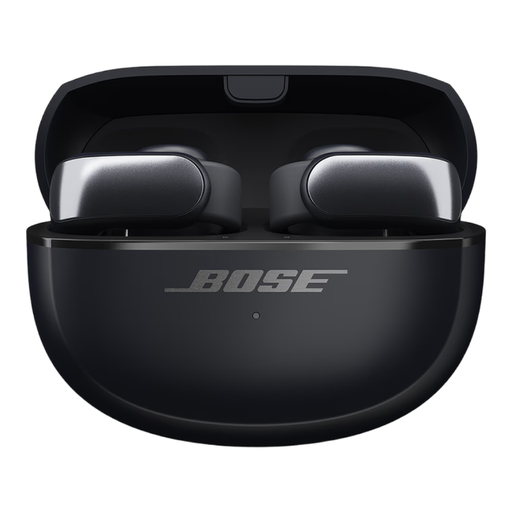
Bose Ultra Open Earbuds, Black
Why This Fits Their Persona: Ideal for runners and gym-goers who need an absolutely secure fit during intense activity and also value an immersive soundstage without blocking out their surroundings.
The flexible joint and lightweight design (approx. 6.1 g) bypass the uncomfortable fit trap. They provide a stable hold that doesn't give way, even during sprints or jumps.
Bose Immersive Audio technology for a spatial sound experience; IPX4 protection against sweat and splashes.
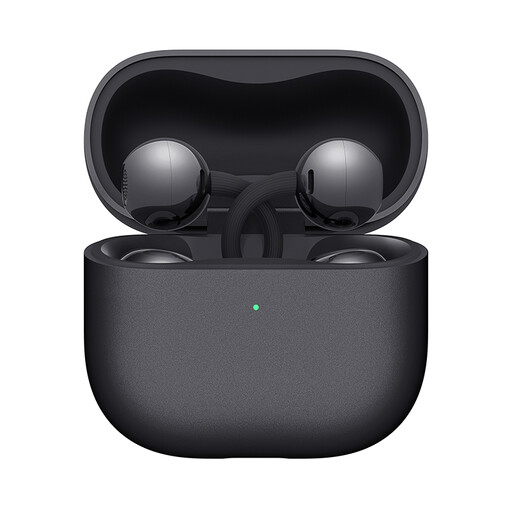
HUAWEI - FreeClip 2, Black
Why This Fits Their Persona: Perfect for commuters and office workers looking for all-day headphones that don't apply pressure, enable clear calls, and quickly switch between a laptop and smartphone as needed.
The C-bridge design and extremely low weight of 5.1 g per earbud prevent pressure points. The reverse-sound system minimises sound leakage, ensuring privacy for calls in an open-plan office.
Up to 9 hours of battery life per charge; automatic left-right ear detection; IP57 protection against sweat and water.
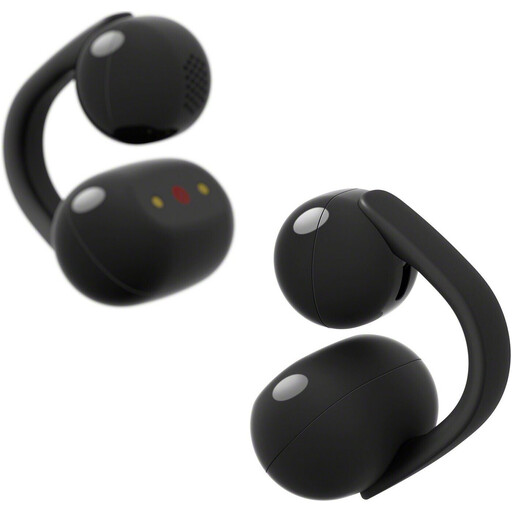
Sony Linkbuds Clip, Black
Why This Fits Their Persona: For users who don't want to sacrifice customisable and balanced sound quality, despite the open design. Ideal for enjoying music and podcasts with the option for fine-tuning.
Avoids the "tinny sound" trap thanks to DSEE technology for upscaling music and a 10-band equaliser in the app that allows for personalised sound adjustment.
Extensive sound personalisation via the app; AI-powered call quality through a bone conduction sensor; up to 9 hours of battery life.
Looking for More Options?
We have compiled a complete, up-to-date list of products that fully meet these strict selection criteria.
Frequently Asked Questions (FAQ)
How securely do open-ear headphones stay in place during sports?
The fit depends heavily on the design. Models specifically engineered for sports, like the Bose Ultra Open Earbuds, use flexible yet firm materials that cling to the ear and stay secure even during intense movements like running or jumping rope. Look for product descriptions that explicitly mention use during sports.
Is the sound quality of open-ear headphones comparable to in-ear models?
Due to the open design that doesn't seal the ear canal, the bass response on open-ear headphones is, by physical necessity, often less intense than on in-ear models. However, high-quality models compensate for this with large drivers and advanced audio processing, like Bose's Immersive Audio technology or Sony's DSEE upscaling, to create a full and clear sound profile. For audiophiles seeking maximum bass performance and passive noise isolation, in-ears often remain the top choice.
What does the IPX4 certification mean for wireless sports headphones?
The IPX4 certification is an important standard for sports headphones. The first digit (here "X") means there has been no specific testing against the ingress of solids (like dust). The second digit, the "4", confirms that the device is protected against splashing water from all directions. This means that sweat and light rain won't harm the headphones, but they are not suitable for swimming or being submerged in water.