
Open-Ear Clip-On Headphones: A 2026 Technical Analysis
Open-ear clip-on headphones are an audio solution designed to leave your ears uncovered. Unlike traditional in-ear or over-ear models, these devices sit on the outside of the ear, directing sound into the ear canal without sealing it. This design principle allows the user to remain aware of ambient sounds such as traffic, announcements, or conversations. This enhances safety in urban environments and during outdoor sports activities. At the same time, it improves long-term wearing comfort, as there is no pressure inside the ear canal.
Buyer's Guide: Key Factors to Consider
Choosing the right model should be based on an analysis of its technical specifications and how well it fits your intended use.
Design and Build Quality
The core feature of these headphones is their attachment system. Clip-on headphones use a clamping mechanism that attaches directly to the outer ear. Models with an ear hook, on the other hand, wrap around the ear for extra stability, which is particularly advantageous during intense physical activity. Weight is a critical factor for long-term comfort. Lightweight models (under 10 grams per side) are often barely noticeable. The contact surfaces are often made of skin-friendly silicone or similar soft polymers to minimise pressure points.
Battery Life and Charging Features
Battery life is a crucial criterion. Battery life specifications are usually provided separately for the earbuds themselves and for the total runtime including the power stored in the charging case. A fast-charging feature, which provides several hours of playback after just a few minutes of charging, is particularly useful for users with an active lifestyle.
Connectivity and Audio Codecs
Modern wireless open-ear headphones use Bluetooth standards like 5.3 or 5.4. These offer a stable connection, lower latency, and improved energy efficiency. Multi-point connectivity allows for simultaneous pairing with two devices, such as a laptop and a smartphone, simplifying the switch between work and calls. For audio quality, the supported codecs are key. While SBC is the standard, codecs like AAC (for Apple devices) or LDAC offer a higher bitrate and thus potentially more detailed sound reproduction.
Water and Dust Resistance (IP Rating)
For use during sports, resistance to sweat and moisture is essential. The IP rating indicates this level of protection. A water-resistant sports headphone with an IPX4 rating is protected against splashing water from all directions. A higher classification like IP55 offers additional protection against dust ingress and water jets.
Microphone Quality for Calls
For clear phone calls, multiple microphones and software-based noise cancellation (often referred to as AI Noise Cancelling or cVc) are important. Some models also use bone conduction sensors to isolate the speaker's voice from ambient noise and improve transmission quality.
Our Selection of Open-Ear Clip-On Headphones for 2026
Based on the technical criteria mentioned, here are some models suitable for different use cases.
Sony Linkbuds Clip, Beige
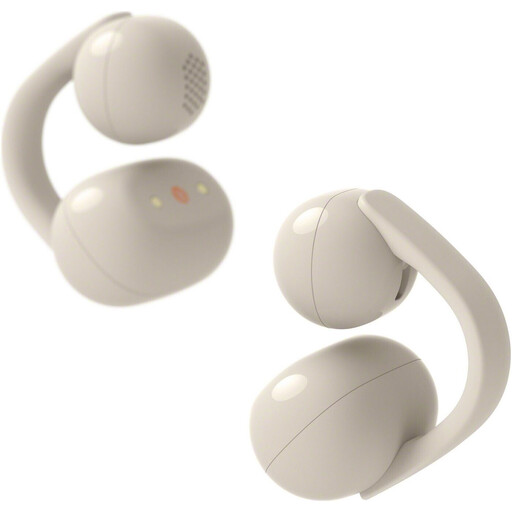
Why we recommend this product: The Sony Linkbuds Clip combine an open-ear design with versatile sound customisation. The three listening modes (Standard, Vocal Boost, Anti-Sound Leak) allow for optimisation for music, podcasts, or discreet phone calls. The integration of bone conduction technology and AI noise cancellation aims for high voice clarity during calls.
Pros:
- Customisable Sound Profiles: Three modes for different types of audio content.
- Clear Call Quality: AI noise cancellation combined with bone conduction sensors.
- Long Total Battery Life: Up to 37 hours of playback with the charging case.
- Sound Optimisation: DSEE technology for upscaling compressed audio files.
Best for: Users who value high call quality and customisable sound options for various media types, such as commuters and office workers.
TALIX Ultra-Light Clip-On Wireless Earbuds, G1, Black
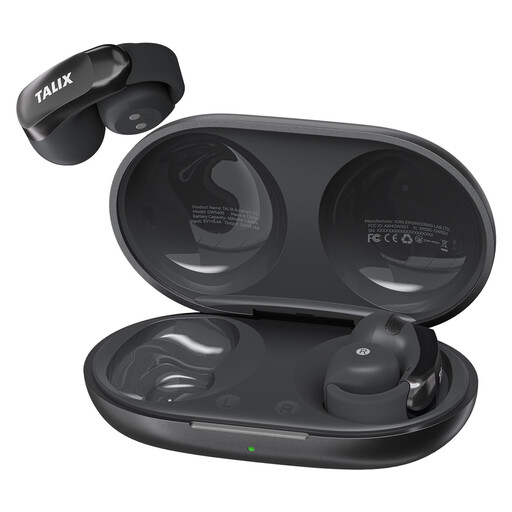
Why we recommend this product: The G1 model from TALIX focuses on minimal weight and wearing comfort. At just 5.2 grams per side and with a soft silicone ear hook, it is designed for all-day wear. Equipped with four microphones and intelligent noise reduction, it supports clear communication in noisy environments.
Pros:
- Extremely Lightweight: Only 5.2 grams per earbud for pressure-free comfort.
- Effective Fast Charging: 10 minutes of charging for 2 hours of playback.
- Stable Connection: Bluetooth 5.3 for low latency and low energy consumption.
- 4-Microphone Array: Ensures clear voice transmission during calls.
Best for: Users looking for barely noticeable open-ear sports headphones for long training sessions or all-day office use, who also make frequent calls.
Edifier A6 Open-Ear Headphones, Black
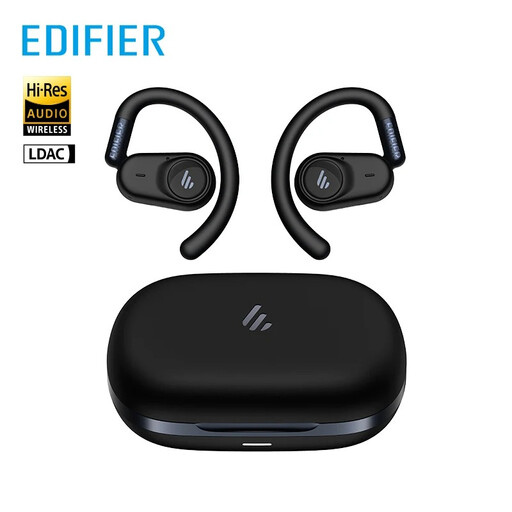
Why we recommend this product: The Edifier A6 are aimed at audiophiles who don't want to compromise on high sound quality, even with an open-ear design. Support for the LDAC Hi-Res Audio codec and the modern Bluetooth 5.4 standard are the standout features here. The high IP55 rating also makes them robust against dust and water.
Pros:
- High-Resolution Audio: Support for the LDAC codec.
- Long Playback Time: Up to 40 hours of total runtime with the charging case.
- Robust Build: IP55 certification against dust and water jets.
- Modern Connectivity: Bluetooth 5.4 and multi-point connection.
Best for: Tech-savvy users and athletes who prioritise high audio quality, a robust build, and the latest connectivity technology for their Bluetooth headphones that don't sit in the ear.
Alternatives and Other Models
The featured products cover specific use cases. If you haven't found the right model for your individual needs, you can find a wider selection of devices with similar wearing styles in our ear-hook headphones category.
Frequently Asked Questions (FAQ)
What is the functional difference between open-ear and bone conduction headphones? Both designs allow you to hear ambient sounds. Open-ear clip-on headphones use miniature speakers that direct sound through the air into the ear canal. Bone conduction headphones, on the other hand, create vibrations that are transmitted directly to the inner ear via the cheekbones, leaving the ear canal completely open. Open-ear models often offer sound quality that is closer to that of traditional headphones.
How does the sound quality compare to in-ear headphones? Due to the open design, the bass response on open-ear headphones is, by physical necessity, often less intense than on in-ear models that seal the ear canal. However, the mids and highs can be very clear and detailed. Additionally, at high volumes, sound leakage can occur, meaning people in close proximity might be able to hear your audio.
Are open-ear headphones suitable for people who wear glasses? Yes, most open-ear models are compatible with glasses. Clip-on designs that attach to the outer ear generally do not interfere with glasses arms at all. With ear-hook models, the hook is usually positioned to rest comfortably next to or over the arm of the glasses. The low weight and flexible materials further contribute to their compatibility.