
Non-Slip Mat Buying Guide: Find the Right Solution Without Regret
A non-slip mat might seem like a simple product, but choosing the wrong one often leads to disappointment, safety hazards, and wasted money. Whether in the hallway, kitchen, or at your workstation, a good mat provides safety, comfort, and protects your floors. However, many products fail to live up to their advertising claims. As your Joybuy Product Recommendation Officer, I'll help you identify the key features and steer clear of common purchasing traps.
The 3 Most Common Pitfalls When Buying a Non-Slip Mat
Before you make a decision, you should be aware of the typical problems that arise with low-quality or unsuitable mats.
- The "Pseudo" Non-Slip Trap: Many mats are advertised as non-slip but lose their grip after a short time or on specific floor types like sealed hardwood or smooth tiles. The problem often lies in a low-quality backing that loses its grip when exposed to moisture or wear.
- The Unsuitable Material: A plush mat might feel pleasant in the bathroom, but it's impractical in the kitchen as it absorbs stains and is difficult to clean. Conversely, a thin PVC mat may protect against splashes but offers no comfort for long periods of standing. Choosing the wrong material for the location leads to rapid wear and frustration.
- The Tripping Hazard by Design: An often-overlooked detail is the mat's edges. Edges that are too thick or not beveled tend to curl up over time. Instead of minimizing the risk of slipping, the mat itself becomes a dangerous tripping hazard.
What Really Matters: The Crucial Parameters
To avoid these pitfalls, focus on three objective criteria. These determine the functionality, safety, and longevity of your mat.
1. The Underside Material: Your Guarantee for Stability
The most important feature of an anti-slip mat is its backing. It must adhere reliably to the intended flooring without causing damage.
- Rubber (Natural or SBR): Offers excellent grip on most hard floors like tile, laminate, and wood. Rubber is durable and flexible. However, caution is advised on some sensitive floors (e.g., vinyl), as it can cause discoloration.
- PVC (Polyvinyl Chloride): A cost-effective and waterproof option often used for kitchen mats or bath mats. Its slip resistance is good but can diminish on wet surfaces.
- Latex: Often used as a coating for carpet runners. It provides good slip resistance but can dry out and become brittle over time, especially when in contact with heat (e.g., underfloor heating) or cleaning agents.
2. The Top Material: Function Over Form
The top material determines comfort, ease of cleaning, and intended use.
- Synthetic Fibres (Polyester, Polypropylene): Ideal for doormats and carpet runners in entryways. They are durable, stain-resistant, and dry relatively quickly.
- PVC Foam or Polyurethane: The core material for an anti-fatigue mat. It provides a cushioning effect that reduces pressure on the legs and back during long periods of standing. The surface is usually waterproof and easy to wipe clean.
- Cotton or Microfibre: Very absorbent and soft, making them a common choice for bath mats. However, they require more frequent cleaning and longer drying times.
- Polyester (for play mats): A play mat for children should be robust, non-toxic, and easy to clean. Polyester meets these requirements well and allows for colourful prints.
3. Profile Design and Edge Finishing
The thickness and edges of a mat are crucial for safety and practicality.
- Low Profile: Mats with a low height (under 1 cm) can be placed under doors without issue and minimise the risk of tripping. This is especially important for a carpet runner in a hallway.
- Beveled Edges: This feature is a clear sign of quality, particularly on thicker anti-fatigue mats. The sloped edges create a smooth transition to the floor and prevent you from catching your feet.
Our Picks for Different Needs
Here are some products that represent a considered choice for specific user profiles, based on objective features.
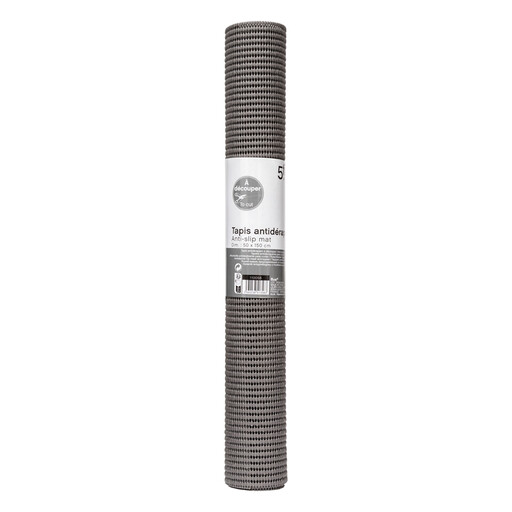
5five Anti-Skid Carpet Grey 50x150cm
Why it's a great fit: Ideal for households with children or pets. The 50x150 cm size is perfect as a runner in high-traffic areas like hallways or kitchens to prevent slips and protect the floor.
The special non-slip backing ensures a reliable grip, countering the "pseudo non-slip" trap. The durable material is designed for daily use in high-traffic zones.
Practical runner size for hallways and kitchens. The neutral grey design complements many interior styles.
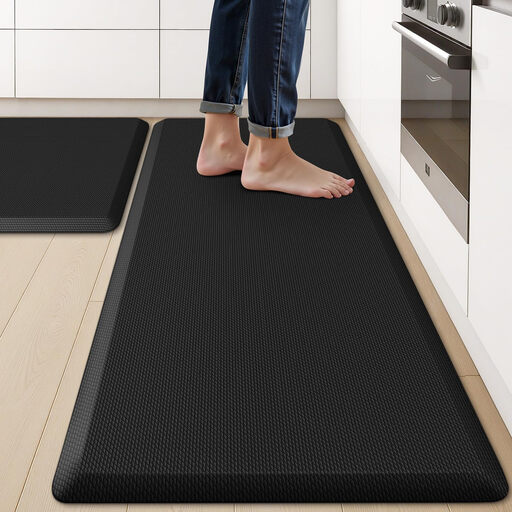
High-Density Anti Fatigue Mat | Extra Thick Standing Desk Mat
Why it's a great fit: Perfect for people who work on their feet for long hours, whether at a standing desk, in the kitchen, or in a workshop. The mat is designed to relieve pressure on the legs, waist, and back.
The high-density PVC construction with a honeycomb structure provides genuine, lasting cushioning, avoiding the trap of mats that quickly go flat. The beveled edges actively counteract the tripping hazard.
Extra-thick padding for noticeable relief. The water- and stain-resistant surface is very easy to maintain.
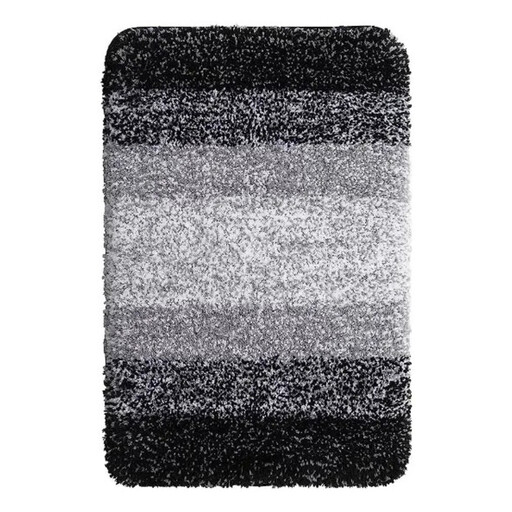
Modern Gradient Area Rug, 50x80cm Non-Slip Short Pile Mat
Why it's a great fit: For anyone looking for a functional mat for the entryway, kitchen, or bathroom that also serves as a modern design element. The colour gradient adds a stylish accent.
This product combines an attractive design with a reliable, non-slip rubber or PVC backing. The low profile ensures that doors can glide over it easily, preventing a tripping hazard.
Modern ombré design with practical functionality. The mat is machine-washable, making it easy to keep clean.
Looking for more options?
We've compiled a complete, up-to-date list of products that fully meet these strict selection criteria and UK safety requirements.
Frequently Asked Questions (FAQ)
1. How do I clean a non-slip mat properly without damaging the backing? The correct cleaning method depends on the material. Mats made of PVC or polyurethane can usually be wiped clean with a damp cloth. Fabric mats (e.g., polyester or cotton) are often machine-washable. Use a gentle cycle with cold water and mild detergent. It's important to let the mat air-dry. Heat from a tumble dryer can damage the rubber or latex backing and compromise its non-slip properties.
2. On which floors do non-slip mats work most reliably? Most non-slip mats adhere well to clean, dry, and hard surfaces like tile, laminate, hardwood, or stone floors. Caution is advised on newly sealed wood floors, oiled floors, or certain vinyl and LVT flooring. Some rubber backings can react chemically and leave stains. It is advisable to check the manufacturer's instructions or test the mat in an inconspicuous area.
3. How long does an average non-slip mat last? The lifespan heavily depends on the quality of the material, frequency of use, and care. A heavily used kitchen mat or doormat may need to be replaced after 1–3 years. A high-quality anti-fatigue mat in an office can last for many years with proper care. Clear signs that a replacement is needed include cracks in the backing, permanently curled edges, or a noticeable loss of grip.