
Choosing the Right Bluetooth Headphones
The selection of Bluetooth headphones is dauntingly vast, and advertising claims don't make the decision any easier. Whether for the home office, sports, or enjoying music on the go, requirements vary, but the pitfalls when buying are often the same. As a Joybuy Product Recommendation Officer, I'll help you objectively evaluate technical specifications and find a model that truly fits your needs, rather than falling for exaggerated marketing hype.
Common Pitfalls: What to Watch Out For When Choosing
Many purchasing decisions are based on features that don't live up to their promises in practice. Three points in particular frequently lead to disappointment:
- Misleading Battery Life Claims: Manufacturers often advertise total runtimes of 40 hours or more. However, this figure almost always refers to the combined capacity of the headphones and the charging case. The crucial metric for uninterrupted use, such as on trips or during long workdays, is the battery life on a single charge. A value under five hours can quickly become impractical.
- Misinterpreted Water Resistance (IP Ratings): A headphone advertised as "waterproof" is not automatically suitable for swimming. An IPX4 certification merely means protection against splashing water from all directions, sufficient for sweat during a run. For submersion, such as during swimming, a rating of IP68 is required. Overlooking this detail can risk premature failure.
- Ineffective Noise Cancelling (ANC): Active noise cancellation is a sought-after feature, but its quality varies dramatically. Budget-friendly implementations often filter only a narrow frequency range and can negatively affect the sound profile. A good Noise Cancelling Headphones (ANC) system should reduce ambient noise like train clatter or office chatter broadly and effectively without compromising audio quality.
Key Technical Specs for Your Decision
To avoid a bad purchase, you should focus on objective, verifiable criteria. The following three parameters are of central importance for most users.
1. The Right Form Factor: In-Ear, Over-Ear, or Bone Conduction?
The form factor significantly determines comfort and the intended use case. Each variant has specific advantages and disadvantages.
- In-Ear Headphones (True Wireless Earbuds): These compact buds sit directly in the ear canal. They are lightweight, portable, and provide good passive noise isolation due to their seal. They are suitable for everyday use, commuters, and most sports. Models like True Wireless Earbuds are the most popular choice for mobile users.
- Over-Ear Headset: These models enclose the entire ear. They generally offer the highest comfort for long-term use, the best passive noise isolation, and often superior sound quality with powerful bass. They are an excellent choice for music lovers and as an Office Headset in a noisy open-plan office.
- Bone Conduction Headphones: These don't sit in or on the ear, but on the cheekbone. Sound is transmitted directly to the inner ear via vibrations. The major advantage: your ears remain open, so ambient sounds (e.g., traffic) remain audible. This makes them a safe option for sports headphones when running or cycling outdoors.
2. Microphone Quality for Clear Calls
For users who frequently make phone calls or need a headset for home office use, microphone quality is critical. A single microphone is sufficient in a quiet setting, but in noisy environments, systems with multiple microphones and noise-cancellation technologies like ENC (Environmental Noise Cancellation) or cVc (Clear Voice Capture) are necessary. These filter out distracting background noise and ensure your voice remains clear and intelligible. Pay attention to the number of microphones and the explicit mention of call enhancement technologies.
3. The Right IP Rating for Your Lifestyle
The IP rating indicates how well a device is protected against the ingress of foreign objects (first digit) and water (second digit). For headphones, the second digit is the most relevant:
- IPX4: Protection against splashing water from all directions. Sufficient for sweat during sports or light rain.
- IPX5: Protection against water jets. Can withstand heavier rain.
- IPX7: Protection against temporary submersion (up to 1 metre for 30 minutes).
- IPX8 / IP68: Protection against continuous submersion. This rating is essential for waterproof headphones for swimming.
Highlights for Different Needs
Based on these objective criteria, we have identified a few models that are particularly well-suited for specific user groups.
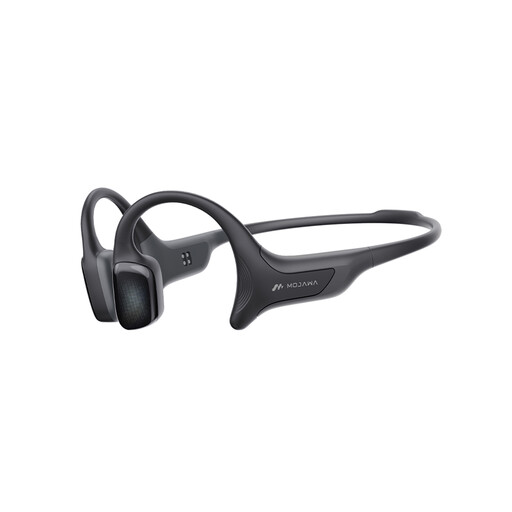
Mojawa HaptiFit Terra Advanced Smart Sports Wearable
Why This Fits Their Persona: Ideal for athletes who need maximum flexibility for running, cycling, and swimming. The open-ear design of the bone conduction headphones ensures that ambient sounds remain audible, increasing safety in traffic. The integrated 32 GB MP3 player makes carrying a smartphone unnecessary while swimming.
This model offers a true IP68 certification, allowing for swimming at depths of up to 2.5 metres, which goes far beyond the standard splash-proof rating. The local storage solves the problem of Bluetooth connectivity underwater.
Combines open-ear safety, IP68 water resistance, and integrated storage for phone-free training. Additionally, the device measures heart rate and provides voice feedback on running pace.
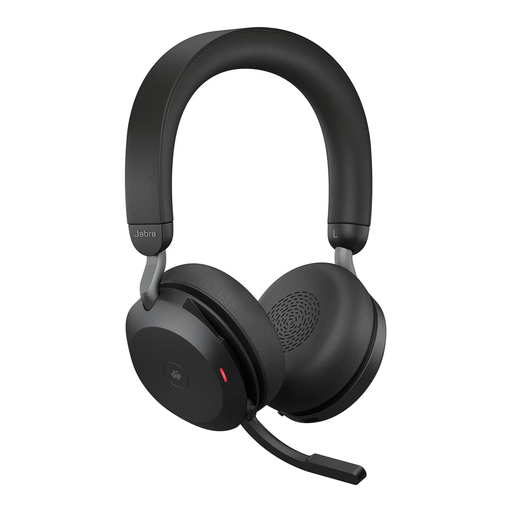
Jabra Evolve2 75 Wireless PC Headset
Why This Fits Their Persona: Designed for professionals working in noisy environments like open-plan offices or from home. The focus is on undisturbed concentration and excellent voice quality in calls and video conferences. The comfort is optimised for all-day wear.
This headset offers an advanced ANC system and an 8-microphone technology specifically engineered for precise voice capture. It delivers a demonstrably high call quality that far surpasses the standard features of more affordable models.
Optimised for Microsoft Teams, including a USB adapter for a stable PC connection. The integrated busylight signals to colleagues that you are in a call, thereby minimising interruptions.
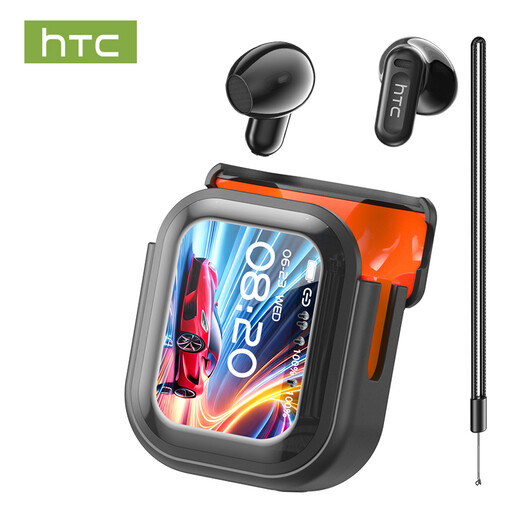
HTC NE20 Wireless Bluetooth 5.4 Earphones
Why This Fits Their Persona: Suitable for users seeking a versatile and modern pair of true wireless headphones for the daily commute, listening to music, and occasional calls. The innovative charging case with a display appeals to tech-savvy users who value additional features.
The battery life is transparently stated as approx. 4 hours per charge and up to 55 hours of total runtime. According to the manufacturer, the adaptive ANC intelligently adjusts to scenarios like a café or the subway, offering practical benefits.
The charging case features an LED touchscreen that allows for direct control of functions. The 6-microphone technology with AI support aims to deliver clear voice quality during calls.
Looking for More Options?
We have compiled a complete, up-to-date list of products that fully meet these strict selection criteria and German safety regulations.
Frequently Asked Questions (FAQ)
What does Multipoint connection mean for Bluetooth headphones?
A Multipoint connection allows a pair of headphones to be connected to two devices simultaneously, for example, a laptop and a smartphone. If you are listening to music on your laptop and a call comes in on your smartphone, the headphones will automatically switch to the phone. This is particularly convenient for users who want to switch seamlessly between work and personal use.
How do I care for my waterproof headphones after swimming?
Even if headphones are rated as waterproof (e.g., IP68), proper care is crucial for their longevity. Always rinse the headphones with clear fresh water after swimming in chlorine or salt water. Then, dry them completely with a soft cloth before placing them in the charging case or connecting them to the charging cable. Moisture at the charging port can cause a short circuit, despite the water resistance.
Can I use any Bluetooth headphones for online meetings?
Theoretically, yes, but the quality varies greatly. For professional use in a home office, a headset with a microphone and noise-cancellation technology (ENC or multiple microphones) is recommended. Models without this feature often pick up too much ambient noise, which severely impairs intelligibility for other participants. A dedicated Office Headset is often the more reliable choice here.