
Mochi Ice Cream Buyer’s Guide: Avoid Common Disappointments
Mochi ice cream, the Japanese confection made from a soft rice cake dough with a creamy filling, is becoming increasingly available. However, not every product delivers on its promise. When buying mochi ice cream, several pitfalls can lead to a disappointing experience. These include an improper texture where the dough is too hard or sticky, an artificial-tasting flavour that barely resembles the advertised ingredient, and unclear ingredient lists that can be problematic for individuals with allergies or a vegan diet. This guide will help you navigate these issues and make an informed choice.
What Really Matters When Buying Mochi Ice Cream
To make the right decision when buying mochi ice cream, you should check three key product characteristics. These features are crucial for determining quality and the overall experience.
1. The Composition of the Rice Dough
The characteristic soft and chewy consistency of the mochi dough is the heart of this dessert. A disappointing texture is often due to a suboptimal recipe. Look for two key ingredients on the list:
- Glutinous Rice Flour: This is the traditional foundation for mochi. It provides the signature elastic yet delicate texture. Regular rice flour cannot achieve this result.
- Trehalose: This sugar is a vital ingredient in frozen rice cake ice cream. It helps maintain the dough's softness even at freezing temperatures and prevents it from becoming hard and brittle.
A well-formulated dough will remain soft and pleasant to chew even after the recommended thawing time of 3–5 minutes.
2. The Quality of the Ice Cream Filling
The filling defines the flavour. There are significant differences here, which are often reflected in the ingredient list.
- Dairy-Based Varieties: Products made with whole milk and cream generally offer a creamier, richer texture. Flavours like Chocolate Mochi Ice Cream or Vanilla particularly benefit from this.
- Fruit Varieties: For flavours like Mango Mochi Ice Cream or Strawberry, the percentage of real fruit purée is crucial. A high percentage (e.g., "Mango Purée 20%") indicates an authentic, natural flavour, whereas products with "flavourings" often taste artificial.
- Vegan Mochi Ice Cream: Vegan options are often based on coconut, cashew, or rice milk. A good vegan option is distinguished by a creamy consistency that isn't watery. Carefully check the ingredient list for hidden dairy components.
3. Transparency of Ingredients and Allergens
A clear and understandable declaration is essential, especially for allergy sufferers and vegans. Look for bolded allergens like milk, soy, nuts, or peanuts. An official vegan seal provides additional assurance that no animal products are included. Brands like Little Moons Mochi and Koyuki Mochi Ice Cream often provide clear labelling in this regard.
Picks for Every Taste
Based on the criteria mentioned, we have compiled a selection of mochi ice cream tailored to different preferences and needs.
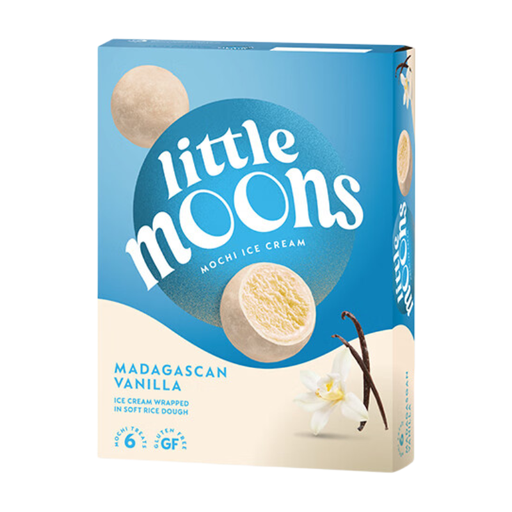
Little Moons Mochi Ice Cream Vanilla 6x32g
Why This Fits Their Persona: Ideal for those who appreciate a pure, unadulterated ice cream flavour. The combination of whole milk, cream, and real vanilla offers a classic and premium taste experience without unnecessary additives.
This product avoids the artificial flavour trap by using ground vanilla bean (0.1%) instead of flavourings. The base of milk and cream ensures a creamy filling.
Authentic vanilla flavour; creamy texture from high-quality dairy products.
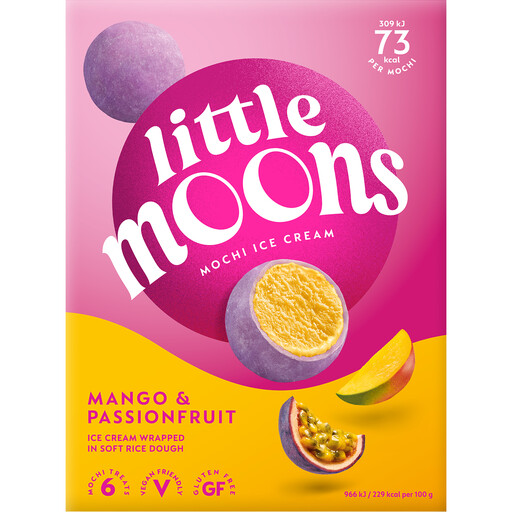
Little Moons Mochi Ice Cream Passion Fruit & Mango 6x32g
Why This Fits Their Persona: Perfect for consumers who follow a plant-based diet but don't want to miss out on a creamy and fruity dessert experience. The tropical flavour combination is refreshing and modern.
This product addresses the hidden ingredients pitfall with a clear vegan formula based on coconut milk and cashew paste. The flavour comes from real mango purée (13%) and passion fruit purée (7%).
Purely plant-based; intense, natural fruit flavour; creamy texture despite being dairy-free.
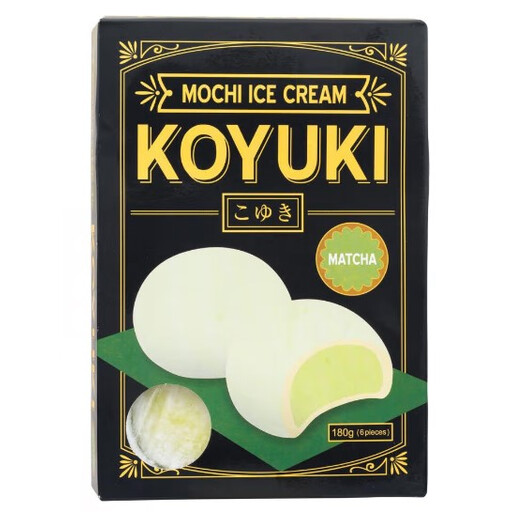
Koyuki Japanese Mochi Ice Cream Matcha Flavor 180g (30g x 6 Pieces)
Why This Fits Their Persona: For fans of Japanese cuisine seeking the authentic, slightly bitter, and complex flavour of matcha green tea. This product offers a traditional Japanese taste experience.
Instead of a vague "green tea flavouring," this product uses real green tea powder. This provides the characteristic, earthy matcha taste that connoisseurs expect, avoiding an overly sweet or artificial note.
Authentic Matcha Mochi Ice Cream flavour; well-balanced between sweetness and bitterness.
Looking for More Options?
We've compiled a complete, up-to-date list of products that fully meet these strict selection criteria.
Frequently Asked Questions (FAQ)
What's the Right Way to Eat Mochi Ice Cream?
For the optimal taste experience, mochi ice cream should not be eaten directly from the freezer. Remove the desired amount from the packaging and let it rest at room temperature for about 3 to 5 minutes. This allows the rice dough to soften and achieve its characteristic chewy texture, while the ice cream filling remains frozen.
Is Mochi Ice Cream Gluten-Free?
Mochi ice cream is traditionally made from glutinous rice flour, which is naturally gluten-free. Therefore, most mochi ice cream varieties are suitable for a gluten-free diet. However, it's always advisable to check the ingredient list and allergen warnings on the packaging, as some products may contain traces of gluten from cross-contamination or use additional, gluten-containing ingredients.
Where Can You Buy a Good Selection of Mochi Ice Cream?
While some supermarkets carry a limited selection, specialty online Asian food stores often offer a significantly wider variety of brands and flavours. When buying online, it's important to choose a provider that guarantees an unbroken cold chain through specialised frozen shipping, ensuring the ice cream confection arrives in perfect condition.