
A Guide to Finding Your Milk Chocolate
By the Joybuy Product Recommendation OfficerLast updated: July 28, 2026
Milk chocolate is a staple in many households, whether as a small everyday indulgence, an ingredient for baking, or a simple gift. However, the vast selection of confectionery can make choosing difficult. Not every chocolate bar lives up to the promises on its packaging. This guide will help you avoid common buying pitfalls and make an informed decision the next time you order chocolate online.
Common Pitfalls When Buying Milk Chocolate
Before you make a decision, it's helpful to understand some common misconceptions and marketing tricks that often lead to an unsatisfying purchase.
- The "Alpine Milk" Myth: The term Alpine milk chocolate is not a legally protected designation and does not guarantee that the milk used actually comes from the Alps. It usually just describes a recipe intended to create a particularly milky and creamy taste. Products without this label can be of equal or even higher quality.
- Focusing on Cocoa Content: While a high cocoa content is often seen as a mark of quality in dark chocolate, this is only half the story for milk chocolate. A very high cocoa percentage can overpower the creamy character that many people appreciate. The balance between cocoa, milk content, and sugar is what's crucial for the taste experience.
- The "Whole Nuts" Illusion: Packaging that advertises large, whole nuts is no guarantee of a high nut content. The actual percentage of nuts in hazelnut chocolate or chocolate with nuts can vary significantly. A look at the ingredients list will reveal the true nut percentage.
What to Look For When Buying: Key Parameters
To make the right choice, focus on a few objective criteria that can be found on every package.
Cocoa Content and Ingredient Order
German Cocoa Regulations require milk chocolate to have a minimum cocoa content of 30%. Most products fall within the 30% to 40% range. A higher percentage usually means a more intense cocoa flavour, while a higher milk powder content provides more creaminess.
The ingredients list is ordered by weight. If sugar is listed first, it is the main ingredient. A high-quality chocolate bar is often distinguished by having cocoa mass or cocoa butter listed near the top. Cocoa butter is also responsible for the delicate, smooth melt.
Origin and Additives
Terms like Swiss chocolate are often associated with a high standard of quality based on traditional production methods. Also, pay attention to the type of fats used. High-quality chocolate primarily uses cocoa butter. Other vegetable fats can affect the melt and taste. Emulsifiers like soy lecithin are standard and serve to bind the ingredients homogeneously.
Our Picks for Different Tastes
Here are some recommendations tailored to different preferences and use cases.
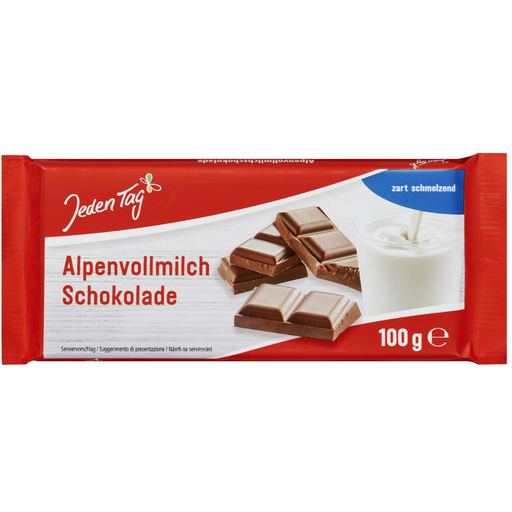
Jeden Tag Alpine Milk Chocolate 100g
Why it's a good fit: Ideal for daily enjoyment or for baking when a solid, standard product is needed without the high cost. It offers the classic, creamy taste expected from a straightforward milk chocolate.
The product is clearly positioned as a budget-friendly option. The term "Alpine milk" is used, but the price point manages expectations and doesn't promise exaggerated premium quality.
Excellent value for money for a chocolate bar that meets the legal minimum cocoa content of 30%.
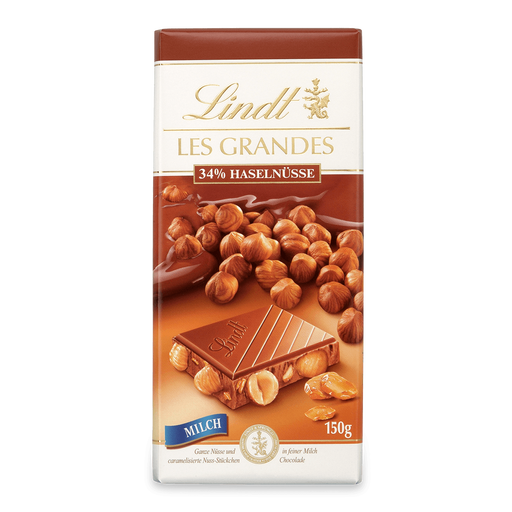
Lindt LES GRANDES Milk Hazelnut, 150g
Why it's a good fit: For those who prioritise the nut content. This bar is designed for an intense, crunchy experience, combining high-quality Lindt chocolate with a generous amount of nuts.
This product avoids the "whole nuts" illusion through transparency: according to the manufacturer, it contains 34% hazelnuts. This high, clearly declared percentage ensures an authentic and intense nutty experience.
The exceptionally high content of whole, roasted hazelnuts provides a distinct texture and an intense nutty flavour in every piece.
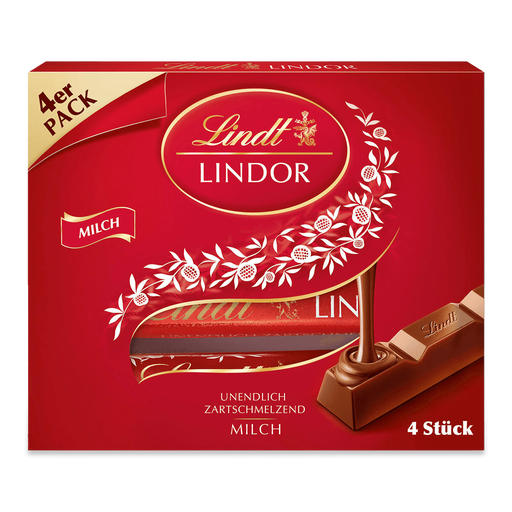
Lindt LINDOR Milk Chocolate Bar, 100g
Why it's a good fit: For that special moment of indulgence where an exceptionally smooth and creamy texture is the main event. The filling is the signature feature of this bar.
This product doesn't rely on vague quality promises but delivers a specific sensory experience: the melt-in-your-mouth filling. The focus is clearly on this unique characteristic, not on a misleading cocoa content.
The combination of a solid shell and a soft, melting filling creates a distinctive mouthfeel that sets it apart from classic, solid chocolate bars.
Looking for more options?
We've compiled a complete, up-to-date list of products that fully meet these strict selection criteria and German regulations.
Frequently Asked Questions (FAQ)
1. What does "Alpine milk chocolate" really mean? The term "Alpine milk chocolate" is a descriptive name, not a protected designation of origin. It describes a recipe that typically has a high milk content for an especially creamy taste. However, the milk does not have to come from the Alps. Brands like Milka chocolate have popularised this term.
2. How do I store chocolate correctly to prevent it from turning grey? A greyish film on chocolate is usually so-called fat bloom or sugar bloom. While harmless to consume, it affects the mouthfeel. To prevent this, store chocolate in a cool (approx. 15–18°C), dry, and dark place. The refrigerator is often too humid and too cold. Also, keep chocolate separate from strong-smelling foods, as it easily absorbs foreign odours.