
Milk Chocolate Buyer’s Guide: How to Spot Quality and Avoid Bad Buys
Milk chocolate is more than just a sweet treat—it's a small moment of indulgence in everyday life. But the vast selection can quickly become overwhelming. Marketing claims of exceptionally creamy textures or exclusive origins don't make the choice any easier. Many buyers only realise at home that the product doesn't live up to their expectations. This guide will help you identify the crucial quality markers and sidestep common purchasing traps.
A frequent problem is the discrepancy between the packaging and the actual contents. Products advertised as "milky" or "creamy" often consist largely of sugar and vegetable fats instead of high-quality cocoa butter and milk. Another trap is bulk packaging: buying chocolate in bulk might seem economical, but the price per 100 grams isn't always lower, and the quality can vary. Finally, the term Alpine milk chocolate is often more of a marketing gimmick than a certified quality seal, as it is not a legally protected term.
What Really Matters in Your Selection: 3 Decisive Criteria
To make an informed decision, you shouldn't be swayed by the packaging but rather check three core parameters. These will reveal the true quality and taste of the chocolate.
1. Cocoa and Milk Content: The Heart of the Chocolate
The composition is the main factor that determines whether a chocolate is perceived as creamy chocolate. Look for the following details in the ingredients list:
- Cocoa Content: For milk chocolate, this is typically at least 30%. A higher cocoa content provides a more intense chocolate flavour.
- Milk Solids: This value indicates the proportion of milk components. A high percentage of whole milk powder contributes to a creamy consistency and the typical flavour of milk-flavoured sweets. Products like Milka Alpine Milk or Lindt Milk Chocolate often provide clear specifications here.
- Cocoa Butter: High-quality, smooth-melting chocolate uses only cocoa butter as its fat. Cheaper products partially replace it with other vegetable fats like palm oil, which alters the melting point and mouthfeel.
2. Product Format: Bar, Stick, or Snack?
The product's form is crucial for its intended use. Not every milk chocolate is suitable for every occasion.
- Classic Chocolate Bar: Ideal for pure enjoyment. The focus here is on the unadulterated chocolate flavour. It's also well-suited for baking or desserts.
- Chocolate Bar with Milk: Products like the Corny Milk Bar or Snickers combine chocolate with other ingredients such as caramel, nuts, or cereals. They are designed as a satisfying on-the-go snack.
- Biscuit Sticks with Chocolate: These snacks, often shaped like thin sticks, offer a crunchy experience. The focus here is on the combination of a biscuit and a frequently sweeter chocolate coating.
3. The Ingredients List: Less Is Often More
A short and understandable ingredients list is often an indicator of a high-quality product. Pay attention to the order of ingredients: whatever is listed first is present in the largest quantity. For many mass-market products, this is sugar. Also, check for the use of flavourings. "Natural vanilla flavour" is a more precise declaration than just "flavouring." Emulsifiers like soy lecithin are standard and serve to create a homogeneous, stable mixture.
Recommended Picks for Every Taste
Based on objective product features, we have curated a selection that caters to various needs and occasions.
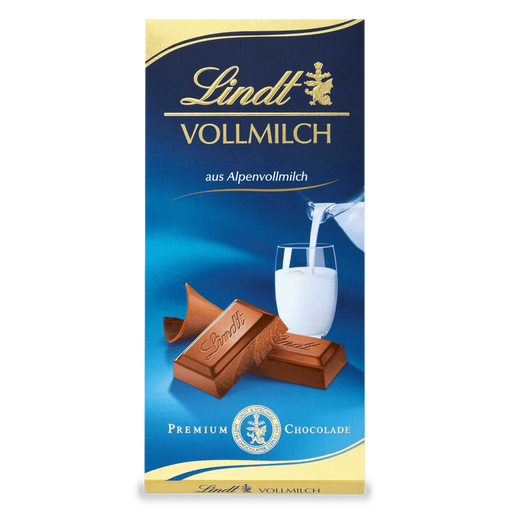
Lindt Milk Chocolate Bar, 100g
Why This Fits Their Persona: Ideal for purists seeking an authentic, high-quality milk chocolate flavour. The focus is on the quality of the ingredients and the melt, not on additional fillings or textures.
The product is a pure chocolate bar. The ingredients list is transparent and names cocoa butter as the primary fat, which bypasses the trap of inferior fillings or misleading "milk crèmes."
The intensive conching process creates an especially smooth-melting chocolate. The cocoa content of at least 30% offers a well-balanced flavour profile.
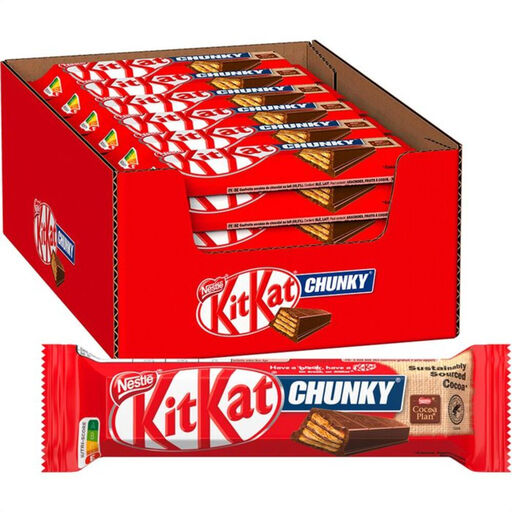
KitKat Chunky Chocolate Bars Family Pack 0.96kg (24 x 40g)
Why This Fits Their Persona: This bulk pack is practical for households, offices, or anyone looking to stock up on a well-known snack. The individually wrapped bars are perfect for lunchboxes or a quick treat.
The bulk pack offers a clear volume advantage and transparency on the price per unit. It doesn't try to pass itself off as pure chocolate, but as what it is: a wafer bar with a chocolate coating.
The combination of a crispy wafer and milk chocolate provides a popular textural variety. The individual packaging ensures freshness and allows for easy portioning.
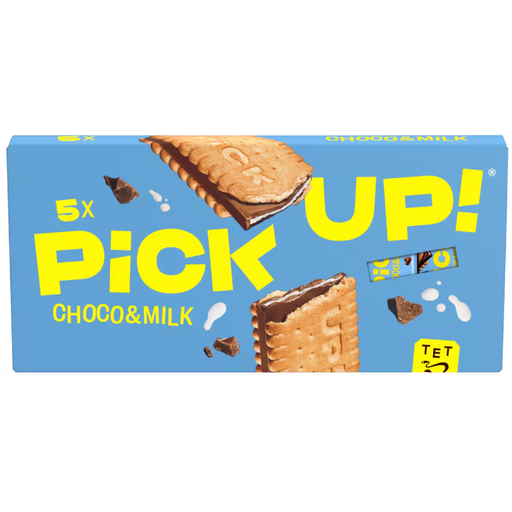
Leibniz Pick up! Choco & Milk 5 x 28g
Why This Fits Their Persona: Perfect for professionals, students, or as a break-time snack. The combination of a sturdy biscuit and chocolate makes it a clean and convenient companion that won't immediately melt or crumble.
The product is clearly positioned as a biscuit sandwich with a milk chocolate bar inside. It avoids the trap of promoting a low-quality filling as its main feature, relying instead on the well-known quality of Leibniz biscuits.
The crunchy biscuit provides a great contrast to the chocolate and offers a satisfying bite. Its robust shape makes the bar ideal for carrying in bags.
Looking for more options?
We've compiled a complete, up-to-date list of products that fully meet these strict selection criteria and all applicable regulations.
Frequently Asked Questions
What does "Alpine Milk Chocolate" really mean?
The term "Alpine milk" is not protected under food law and is not a guaranteed designation of origin. It is used by manufacturers like Milka as a marketing tool to convey an image of freshness and naturalness. The decisive factor for quality is not the name, but the actual percentage of whole milk powder in the ingredients list.
How do I store milk chocolate correctly to prevent it from turning grey?
Milk chocolate should be stored in a cool, dry place at a constant temperature between 15 and 18°C (59-64°F). Avoid direct sunlight, strong odours, and the refrigerator. The cold and humidity in a fridge can lead to "sugar bloom," while temperatures that are too high can cause "fat bloom" (a greyish film of cocoa butter). Neither is harmful to eat, but they do affect the mouthfeel.
How can I identify a high-quality, smooth-melting chocolate?
A smooth-melting chocolate is characterised by a high content of cocoa butter, as it melts at body temperature. A short ingredients list where cocoa butter is listed near the top and no other vegetable fats are mentioned (except for fillings) is a good sign. Brands like Lindt are known for their fine melt, which is achieved through an elaborate manufacturing process (conching).