
Milk Chocolate Buyer’s Guide: What to Look for Before You Buy
For many, milk chocolate is an everyday indulgence. But when it comes to buying a bar of chocolate, there's more to consider than you might first think. Anyone looking to order chocolate online faces a huge selection, and not every product delivers on its promises. Certain marketing terms can be misleading, and differences in quality often only become apparent after the purchase. This guide will help you identify the key features and make an informed choice that suits your taste and purpose.
Common Pitfalls When Buying Chocolate
Before we dive into quality indicators, it's helpful to be aware of some common misconceptions and marketing tactics that can lead to an unsatisfactory buying experience.
- The "Alpine Milk" Myth: The term Alpine Milk Chocolate creates the impression that the milk comes directly from cows on alpine pastures. In reality, "Alpine milk" is not a protected term or an official quality seal for the milk's origin. It often just refers to the recipe or brand name. A chocolate like Ritter Sport Alpine Milk uses this term to describe a specific creamy flavour profile, which doesn't necessarily indicate a special origin for the milk.
- Focusing Solely on Cocoa Content: A high cocoa content is often equated with high quality. With milk chocolate, however, this is only half the story. A chocolate with 30% cocoa can taste better than one with 35% if the quality of the cocoa beans, the processing (conching), and the harmony of the other ingredients are superior.
- The Difference Between Eating and Baking Chocolate: Not all milk chocolate is suitable for baking. Many chocolate bars are optimised for eating straight from the wrapper and have a lower melting point. They can burn or lose their shape during baking. Special baking chocolate or chocolate chips, on the other hand, are often formulated to be "bake-stable," meaning they retain their structure even at high temperatures.
Key Quality Indicators for Milk Chocolate
To make a good choice, you should check three core parameters. These give you objective clues about the quality, regardless of advertising claims.
Cocoa Content and Ingredient List
A good milk chocolate generally has a cocoa content of at least 30%. However, a look at the ingredient list is more important. A short and simple list is often a sign of quality.
- Order of Ingredients: Sugar shouldn't always be the first ingredient. The higher up cocoa (cocoa mass, cocoa butter) is on the list, the higher the cocoa content usually is.
- Fats: High-quality chocolate contains only cocoa butter as its fat. Non-cocoa fats like palm oil or coconut fat can indicate cheaper production methods, as is sometimes the case with fillings.
- Flavourings: "Vanilla extract" is preferable to artificial "vanillin" or "flavouring."
Melt and Texture: The Result of Conching
A chocolate's texture—whether it melts smoothly on the tongue or has a gritty feel—is largely determined by conching. In this process, the chocolate mass is stirred and heated for many hours, or even days. This allows unwanted acids to evaporate, making the mass homogenous and smooth. Premium brands like Lindt Milk Chocolate are known for their particularly delicate melt, which is the result of a long and careful conching process.
Varieties for Special Preferences
Besides the classic bar, there are numerous varieties. If you prefer chocolate with nuts, you should pay attention to the percentage and quality of the nuts. Whole, roasted nuts offer a different taste experience than chopped pieces. For baking projects, as mentioned earlier, special chocolate chips are the more reliable choice.
Product Picks for Different Needs
Choosing the right chocolate depends heavily on personal taste and the intended use. Here are some recommendations tailored to different profiles.
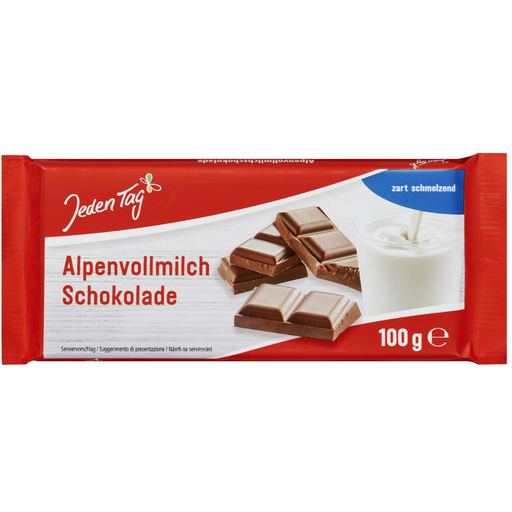
Jeden Tag Alpine Milk Chocolate 100g
Why This Fits Their Persona: Ideal for a simple, everyday treat. This chocolate offers a solid flavour experience without breaking the bank. It's a reliable choice for the pantry drawer.
The product avoids exaggerated marketing claims. It delivers a classic milk chocolate with a standard 30% cocoa content and a clear ingredient list.
Excellent value for money. A creamy taste that meets expectations for a classic milk chocolate.
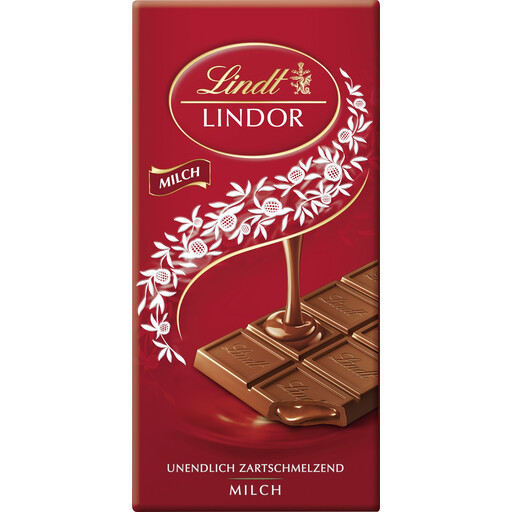
Lindt LINDOR Milk Chocolate Bar, 100g
Why This Fits Their Persona: For special moments of indulgence, as a gift, or when an exceptionally smooth texture is desired. This chocolate offers a premium experience that clearly stands out from the standard.
The quality here lies not just in the cocoa content, but in the unique, melt-in-your-mouth filling and the sophisticated manufacturing process that creates its signature melt.
Incomparably creamy and smooth-melting filling. The result of an extensive conching process ensures an exceptionally fine texture.
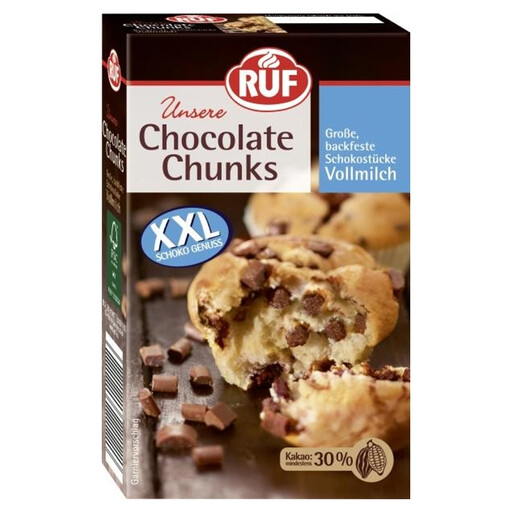
Ruf Choco-Chunks Whole Milk 100g
Why This Fits Their Persona: Perfect for anyone who loves to bake American-style cookies, muffins, or cakes and wants visible, firm chocolate chunks in their baked goods.
These chocolate chunks are explicitly labelled as "bake-stable." They solve the problem of regular chocolate bars melting and losing their shape during baking.
Retains its shape even at high baking temperatures and provides a satisfying bite. Ideal for authentic baking results.
Looking for More Options?
We have compiled a complete, real-time list of products that fully satisfy these strict selection criteria and UK safety regulations.
Frequently Asked Questions (FAQ)
1. What does "Alpine Milk Chocolate" really mean? The term "Alpine milk" is not protected under food law and does not guarantee that the milk used comes from the Alpine region. It is mostly a marketing term intended to suggest a particularly creamy and milky taste. The recipe may differ from classic milk chocolate, but the quality still depends on general parameters like cocoa content and processing.
2. Can you use any milk chocolate for baking? No, not all chocolate is suitable for baking. Many chocolate bars are designed for a delicate melt when eaten and will melt completely when baked. For cookies or muffins where you want the chocolate chunks to remain visible, special bake-stable chocolate chips or couverture chocolate are better suited. These have a higher cocoa butter content or a special composition that helps them keep their shape in the heat.
3. How do you store chocolate properly to keep it fresh? Chocolate should be stored in a cool, dry, and dark place at a constant temperature between 15 and 18°C (59-64°F). The refrigerator is unsuitable, as the humidity can cause sugar bloom (a greyish, rough layer) and the chocolate can absorb foreign odours. A well-sealed package in a pantry or cupboard is ideal for preserving its flavour and texture.