
A Modern Milk Chocolate Buyer's Guide
Milk chocolate is a classic, an everyday indulgence for many. But when buying a chocolate bar online, the selection can be overwhelming, and marketing claims can often be misleading. As your Joybuy Product Recommendation Officer, I'll help you identify the key features to find the perfect chocolate that meets your expectations.
Many shoppers fall into the same common pitfalls. These include vague quality promises or disappointing fillings. So, before you order sweets online again, pay close attention to the following points:
- The 'Alpine Milk' Trap: The term "Alpine milk chocolate" is not legally protected. It often suggests an origin in the Alps, but usually, it just refers to a recipe that creates an especially creamy taste. The milk itself doesn't necessarily have to come from the Alpine region.
- Misleading Filling Descriptions: "Chocolate with nuts" can mean anything—from whole, crunchy nuts to a fine hazelnut paste. Without checking the ingredients list and the percentage of nuts, disappointment is often inevitable.
- The Vague 'Silky Melt': Almost every manufacturer advertises a melt-in-your-mouth experience. However, whether a chocolate delivers on this promise depends on objective factors like the cocoa butter content and the conching process, not on marketing buzzwords.
What Really Matters When Buying Milk Chocolate
To make an informed decision, you should focus on verifiable facts. Three core parameters are crucial for evaluating the quality and character of a milk chocolate bar.
1. Cocoa Content: The Measure of Intensity
The cocoa content is one of the most important details on the packaging. For milk chocolate, this value typically ranges between 25% and 40%.
- Under 30% cocoa content: These chocolates are often very sweet with a milky, creamy flavour. The pure chocolate taste takes a backseat.
- Over 30% cocoa content: Here, the cocoa flavour becomes more intense and complex. Many high-quality products, such as classic Swiss chocolate, use a cocoa content of at least 30% to achieve a perfect balance between sweetness, milk, and cocoa.
2. The Ingredients List: Quality Over Quantity
The order of the ingredients reveals the product's composition. The ingredient listed first has the largest share by weight. In a high-quality milk chocolate, sugar shouldn't always be the dominant ingredient. Pay special attention to the type of fats used. Cocoa butter is a mark of quality and ensures a fine melt. Cheaper vegetable fats can negatively affect the texture and taste.
3. Type and Percentage of Add-ins: Nuts, Caramel, and More
If you prefer a chocolate with nuts or a caramel chocolate, two details are crucial:
- The Form: Are "whole hazelnuts," "hazelnut pieces," or "hazelnut paste" used? Whole nuts offer a satisfying crunch, while a paste provides a creamier mouthfeel.
- The Percentage: A statement like "with 20% whole hazelnuts" is a clear indicator of a nut-rich product. If this information is missing, the percentage may be low. This also applies to caramel fillings or other additions.
Select For Each Priority
Based on these objective criteria, we have selected a few products from our range that suit different taste profiles and occasions.
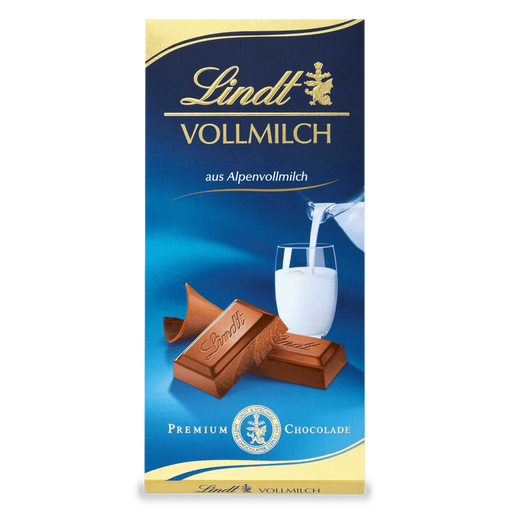
Lindt Swiss Classic Milk Chocolate Bar 100g
Why it's a great fit: Ideal for purists who appreciate the pure, unadulterated taste of traditional Swiss chocolate. The focus is on the quality of the base ingredients without distracting fillings.
The product delivers exactly what it promises: a classic milk chocolate. Its silky melt is based on a high cocoa butter content and a meticulous conching process, not on empty marketing phrases.
A clearly defined cocoa content of at least 30% and its production in Switzerland represent a reliable standard of quality.
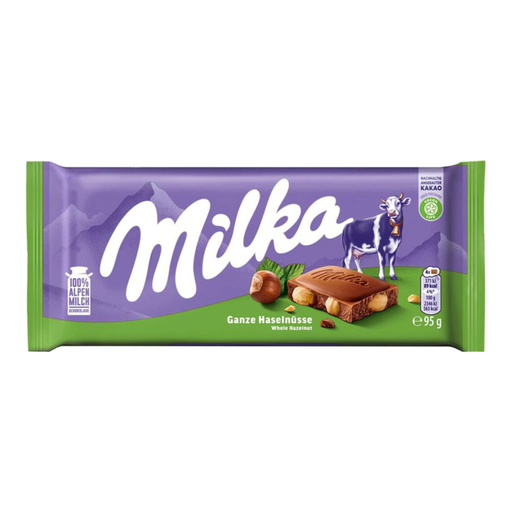
Milka Whole Hazelnuts Alpine Milk Chocolate 95g
Why it's a great fit: Perfect for those who make no compromises when it comes to hazelnut chocolate and seek the satisfying crunch of whole nuts in creamy chocolate.
The product name and ingredients list are unambiguous: it contains "whole hazelnuts" with a clear 20% share. This sidesteps the trap of a vague "nut filling."
The combination of the famously smooth Milka Alpine milk chocolate and a high percentage of crunchy, whole nuts ensures a balanced texture and flavour experience.
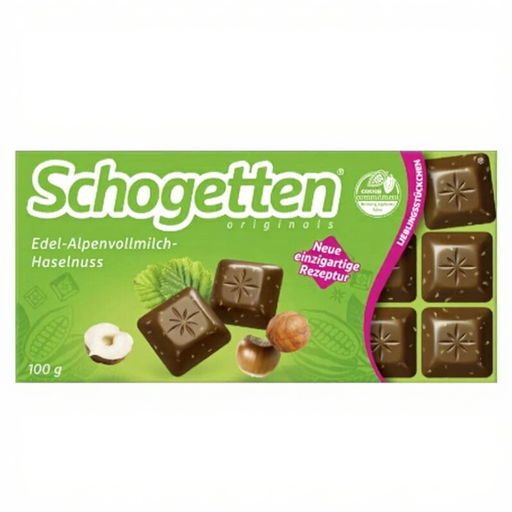
Schogetten Alpine Milk Chocolate with Hazelnuts 100g
Why it's a great fit: Ideal for families, offices, or on the go. The pre-portioned pieces make sharing easy and clean, without the hassle of breaking the bar.
This product solves a practical problem. The benefit of "smart portions" is a clear, functional advantage, not an exaggerated marketing claim about taste.
The 18 bite-sized, pre-portioned pieces offer ultimate convenience and are perfect for controlled indulgence or sharing with others.
Looking for more options?
We've compiled a complete, up-to-date list of products that fully meet these strict selection criteria and German regulations.
Frequently Asked Questions
What does "Alpine milk chocolate" really mean?
The term "Alpine milk chocolate" is not protected by food law and does not define a geographical origin for the milk. It typically describes a recipe that has a particularly creamy and smooth character due to a high milk content. Manufacturers like Milka use this term to indicate this specific flavour profile.
How do I store chocolate bars correctly to avoid "bloom"?
A greyish film, known as "fat bloom," occurs when cocoa butter migrates to the surface. This often happens due to temperature fluctuations. To prevent this, store your chocolate at a constant, cool, and dry temperature, ideally between 15°C and 18°C (59°F and 64°F). Avoid storing it in the refrigerator, as the humidity can also lead to an undesirable "sugar bloom."
What is a typical cocoa content for milk chocolate?
In the EU, a minimum cocoa content of 25% is required for milk chocolate. Most commercially available bars fall within the 30% to 40% range. Products with a higher cocoa content generally offer a more intense chocolate aroma, while those with a lower content taste sweeter and milkier.