
Lunch Box Buyer's Guide 2026: An Analysis for Your Meals on the Go
Choosing the right lunch box is a decision driven by functional requirements. For transporting prepared meals, criteria such as material composition, seal integrity, and the container's internal division are of central importance. A suitable meal prep container or a food storage container for on the go must ensure food integrity and simplify daily use. This article analyses the technical specifications to consider when selecting a lunch box for professionals, students, and health-conscious individuals.
Buyer's Guide: What to Look for When Choosing a Lunch Box
The choice of a model should be based on an assessment of objective parameters. The following technical aspects are crucial for the functionality and longevity of a lunch box.
Material Analysis: Plastic vs. Stainless Steel
The choice of material affects weight, durability, maintenance, and microwave suitability.
- Plastic (Polypropylene - PP): Containers made from PP are lightweight and generally shatter-resistant, making them practical for daily transport. Many models are designed for microwave use (for reheating) and for cleaning in the dishwasher. Look for the "BPA-free" label, which indicates that no Bisphenol A was used in its manufacturing.
- Stainless Steel (e.g., 304): This material is extremely robust, corrosion-resistant, and does not absorb food odours or stains. A leak-proof food container made of stainless steel is a durable option. However, a key point is that stainless steel containers are not microwave-safe. They are excellent for cold foods like salads or for meals that will be reheated in a separate dish.
Sealing Mechanisms and Leak-Proofing
A reliable seal is essential for transporting contents securely. Most high-quality models use a combination of a sturdy lid and a silicone gasket. This gasket fits snugly against the container's rim, creating an airtight and liquid-tight barrier. Snap-lock clips or twist-lock lids ensure the lid stays firmly in place, even with movement.
Compartment Division: The Structure of a Bento Box
A lunch box with compartments, often referred to as a bento box for adults, allows for the separate storage of different meal components. This is particularly useful for separating a salad from its dressing or a main course from its side dishes. The number and size of the compartments determine the box's flexibility for various meals.
Our Top Picks for 2026
Based on the criteria above, we have curated a selection of products that stand out for their specific technical features and applications.
1. LocknLock 3-Compartment Lunch Box, 1500ml
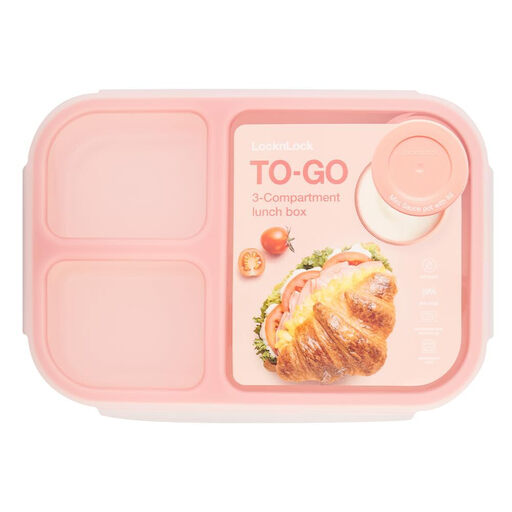
Why we recommend this product: This model combines a large 1.5-litre capacity with a smart layout. The two main compartments and a separate sauce container allow for clean separation of food items. Its secure twist-lock lid and manufacturer-stated leak-proof design make it a reliable option for transporting a wide variety of meals.
Pros:
- Two separate compartments and a sauce container for meal organisation.
- Generous 1500 ml capacity.
- Made from PP plastic and suitable for microwave reheating.
- Secure twist-lock lid to prevent leaks.
Best for: Individuals who prepare complete, multi-component meals for work or university and prefer a lightweight, microwave-safe solution with clear food separation.
2. COOKER KING Food Storage Box - Stainless Steel - 4 pcs Set
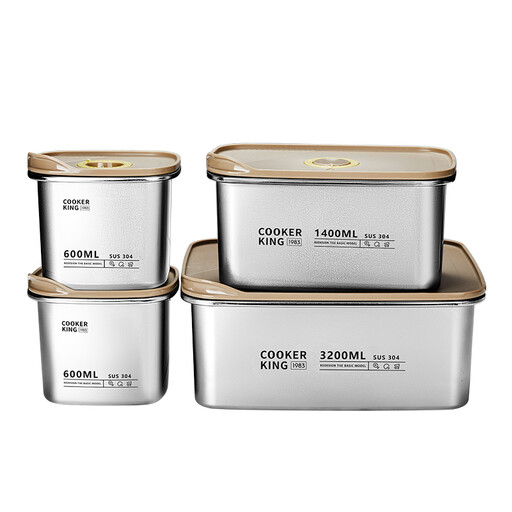
Why we recommend this product: This set of four containers is made from durable 304 stainless steel. With capacities of 600 ml, 1400 ml, and 3200 ml, it offers a high degree of flexibility for meal prep and food storage. The PP lids with silicone gaskets provide an airtight and leak-proof seal. The stackable design optimises storage space in the fridge or cupboard.
Pros:
- Set of four containers in three different sizes for maximum flexibility.
- Made from robust and odour-resistant 304 stainless steel.
- Airtight and leak-proof seals with a silicone gasket.
- Stackable design for space-saving storage.
Best for: Users looking for a versatile food storage container set for preparing and storing meals who value the durability and hygienic properties of stainless steel. Ideal for cold foods or for storage in the refrigerator.
3. LocknLock Plastic Food Container Salad Lunch Box, 950ml
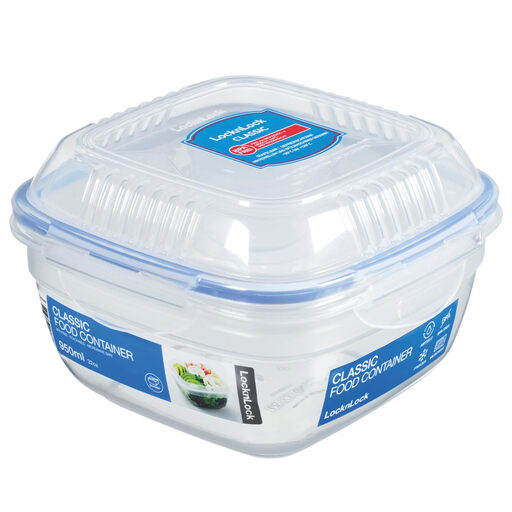
Why we recommend this product: This lunch box is specifically designed for transporting salads. It features a separate tray for toppings and a small bottle for dressing. This keeps the ingredients fresh and crisp until it's time to eat. Made from BPA-free plastic, the 950 ml container is large enough for a main meal and is, according to the manufacturer, airtight and leak-proof.
Pros:
- Specialised design with a toppings tray and dressing bottle.
- Keeps salad ingredients separate and fresh.
- Made from BPA-free plastic.
- Microwave-safe (without lid) and dishwasher-safe (top rack).
Best for: People who regularly take salads for lunch and want a solution that prevents ingredients from mixing before eating.
Other Options and Storage Container Sets
If the models presented don't perfectly match your needs, it's worth exploring a wider selection. A greater variety of sizes and compartment layouts can be particularly useful for different meal-prep strategies. You can find an overview of more models in our Lunch Box with Compartments category.
Frequently Asked Questions (FAQ)
1. What is the difference between a lunch box and a bento box? The term "bento box" originates from Japan and traditionally refers to a take-out meal in a special box. In modern usage, bento box is often used synonymously with a lunch box with compartments, which allows for the separate arrangement of different food items. A simple lunch box may consist of only a single compartment.
2. Are stainless steel lunch boxes microwave-safe? No, containers made of metal, including stainless steel, must never be used in a microwave oven. Metal reflects microwaves, which can cause arcing (sparking) and damage the appliance. Food in stainless steel containers must be transferred to a microwave-safe dish for reheating.
3. How do I properly clean a leak-proof lunch box to protect the seal? To ensure the longevity of the silicone gasket, hand-washing with mild detergent is often recommended, even if the container is labelled as dishwasher-safe. If you use a dishwasher, it's best to place the lid and gasket on the top rack, where the heat is less intense. Ensure all parts are completely dry before reassembling and storing the box.