
LTE Routers with SIM Slots for Stable Internet Without a Landline
A slow or unreliable internet connection can significantly disrupt daily life, whether for a home office, streaming, or simple online research. Especially in rural areas, holiday homes, or temporary locations like construction sites, a traditional DSL or fibre optic connection is often unavailable or impractical. An LTE router with a SIM slot offers a flexible and high-performance alternative. This device uses the mobile network to create a stable Wi-Fi network—entirely without the need for a landline connection.
This article serves as a guide. We will explain the most important criteria for selecting a suitable device and present a selection of models suited for various use cases.
What to Look for When Choosing a 4G Router with a SIM Card
The decision for a specific model depends on your individual requirements. The following points will help you understand the technical features and make an informed choice.
1. Mobile Standard and Speed (LTE Category)
The speed of your internet connection largely depends on the supported LTE standard. Look for devices that support at least LTE Cat6 (also known as 4G+). This technology uses "Carrier Aggregation" (bundling multiple frequency bands) to enable theoretical download speeds of up to 300 Mbps. This is a crucial factor for demanding applications like 4K streaming, online gaming, or simultaneous use by multiple people. A basic 4G router with a SIM card in Category 4 often only reaches up to 150 Mbps.
2. Wi-Fi Technology (WiFi 6)
Besides the mobile connection, the performance of the local Wi-Fi network is critical. A modern WiFi 6 LTE router (802.11ax standard) offers significant advantages over older standards like WiFi 5 (802.11ac). WiFi 6 is not only faster but, more importantly, more efficient at managing many simultaneously connected devices. This reduces latency and ensures a more stable connection, which is particularly noticeable in a smart home or when used by multiple people in a household.
3. Ports and Expandability
A good router without a landline should be flexible. Gigabit LAN ports are important for connecting devices like a desktop PC, a gaming console, or network-attached storage (NAS) via cable to reliably use the maximum speed. Some models also offer a WAN port, which allows the router to be used as a conventional Wi-Fi router with an existing modem or to set up a backup connection (failover). For larger living spaces or multi-story homes, Mesh capability is a crucial feature for seamlessly extending the Wi-Fi signal.
Recommended LTE Routers
Based on the criteria mentioned, we have compiled a selection of devices suitable for different needs.
ASUS 4G-AX56 Wireless WiFi 6 Modem Router
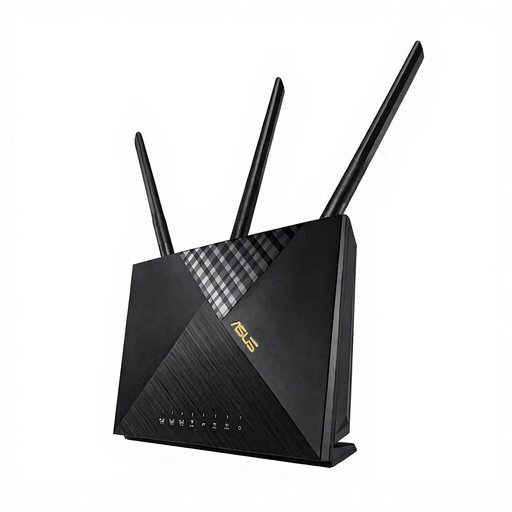
Why it stands out: The ASUS 4G-AX56 combines fast LTE Cat6 with modern WiFi 6. This combination makes it a powerful solution for demanding households and home offices where many devices require a stable and fast connection simultaneously.
Pros:
- WiFi 6 Standard: Delivers high efficiency and speeds of up to 1800 Mbps on the local network.
- LTE Cat6: Enables mobile data speeds of up to 300 Mbps for downloads.
- Comprehensive Security: Includes the AiProtection security suite, which, according to the manufacturer, blocks threats from the internet.
- Flexible Connectivity: Features four Gigabit LAN ports and one Gigabit WAN port for wired devices or use as a failover solution.
Who is it for? Users looking for a future-proof solution for their internet in rural areas or as a primary home connection. Ideal for power users, families, and home office workers who value high Wi-Fi performance and network security.
TP-Link Archer MR550 LTE Router
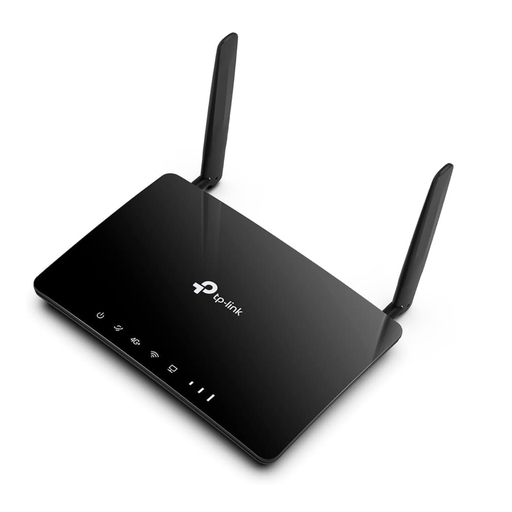
Why it stands out: The Archer MR550 is a reliable Wi-Fi router for a SIM card that focuses on core functionalities. It provides a solid internet speed with 4G+ Cat6 and can be flexibly expanded into a mesh network thanks to TP-Link OneMesh support.
Pros:
- Plug and Play: Easy setup by simply inserting the SIM card, with no complex configuration required.
- 4G+ Cat6 Support: Offers download speeds of up to 300 Mbps for smooth streaming and fast downloads.
- TP-Link OneMesh: Compatible with other OneMesh products to create a seamless Wi-Fi network throughout your home.
- Gigabit Ports: Full Gigabit ports for fast, wired connections.
Who is it for? Users seeking a straightforward and cost-effective solution for a stable internet connection. Especially suitable for standard applications in apartments, holiday homes, or as a reliable mobile Wi-Fi router for home.
TP-Link Deco X20-4G AX1800 4G LTE Router
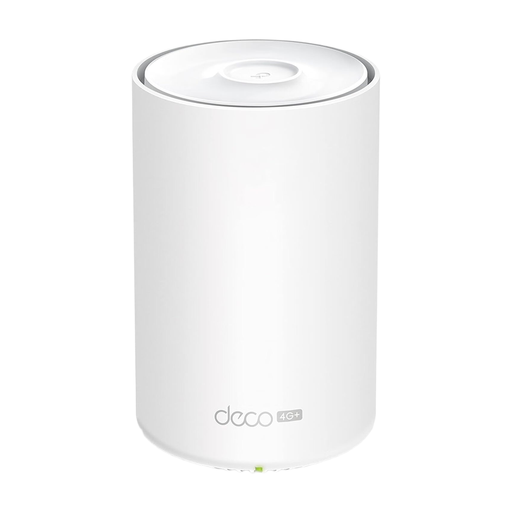
Why it stands out: The Deco X20-4G is more than just a router—it's the gateway to a modular mesh system. It combines the flexibility of a 4G connection with the superior coverage of a mesh network and modern WiFi 6.
Pros:
- Integrated Mesh Technology: Ensures gap-free Wi-Fi coverage and can be easily expanded with additional Deco units.
- Combination of 4G+ and WiFi 6: Provides fast mobile data transfer (Cat6) and an efficient local network (AX1800).
- High Flexibility: Can be used as a primary 4G router or as part of an existing network.
- Simple Management: Setup and control are conveniently handled via the Deco app.
Who is it for? Users in larger homes or apartments with complex layouts who need consistent and stable Wi-Fi coverage without dead zones. An excellent choice for anyone seeking a scalable solution for their internet in rural areas or as a main connection.
Looking for More Options?
The models presented cover common use cases. If you haven't found the right device for your specific needs, you may find a suitable alternative in our broader selection.
? Discover our full range of 4G Wi-Fi routers
Frequently Asked Questions (FAQ)
Do I need a special data plan for an LTE router?
Yes, you need a SIM card with a suitable data plan. Many mobile carriers offer special "data-only plans" that are optimised for use in routers and often include a higher data allowance than traditional smartphone plans. Before purchasing, check the provider's network coverage at your location.
How do I install an LTE router with a SIM slot?
Installation is typically straightforward. You insert the SIM card into the designated slot, connect the router to a power source, and turn it on. The basic configuration of the Wi-Fi name (SSID) and password is usually done through a web interface in a browser or the manufacturer's dedicated smartphone app. Many devices are "Plug and Play" and will automatically connect to the internet after the SIM card is inserted.
Can I use a 4G router as a backup for my DSL line?
Yes, many models are designed for this purpose. An LTE router with a SIM slot that has a dedicated LAN/WAN port can be configured to automatically switch to the 4G mobile connection (failover) if the primary landline connection fails. This ensures uninterrupted internet availability, which is particularly beneficial for home offices or business applications.