
Ultimate Loose Powder Buyer's Guide
A high-quality loose powder is often the unsung hero of a flawless makeup routine. It sets your foundation, controls unwanted shine, and creates a smooth, even skin texture. But the market is saturated with products whose marketing promises often create more confusion than clarity. Many users invest in powders that end up leaving a chalky finish, drying out the skin, or reflecting unflatteringly in photos.
As your Joybuy Product Recommendation Officer, I'm here to help you avoid these pitfalls. This guide focuses on the objective criteria that truly matter, enabling you to make an informed decision on the right face powder for you.
The 3 Most Common Loose Powder Mistakes (And How to Avoid Them)
Before we dive into product features, it's crucial to understand the common issues that lead to disappointment.
- The "Invisible" Trap: Many powders marketed as "transparent" or "translucent" are not so under certain lighting conditions. Specifically, products with a high concentration of silica can create a white cast on the skin under flash photography, known as "flashback." This is especially problematic for photos.
- The Drying Effect: A mattifying powder is meant to absorb oil, but aggressive formulas can also strip the skin of essential moisture. The result is an uncomfortable feeling of tightness, and paradoxically, the skin may even produce more sebum in response. A good powder for shiny skin should regulate shine without disrupting the skin's barrier.
- The Short-Lived Soft Focus: The promised "soft-focus" effect, designed to blur pores and fine lines, often vanishes quickly with lower-quality products. If the particles aren't finely milled or don't adhere well to the skin, the powder can settle, accentuate texture, and lead to a patchy or "cakey" appearance.
What Really Matters: Key Parameters for Your Selection
To avoid the problems mentioned above, you should check three core aspects before buying. These will help you objectively assess a powder's performance.
1. Base Ingredients: Talc, Silica, or Minerals?
The foundation of the formula largely determines its texture, finish, and skin compatibility.
- Talc: A traditional ingredient known for its ability to effectively absorb oil and create a smooth texture. Modern, high-purity grades of talc are very finely milled and form an excellent base for many setting powders.
- Silica: These particles are often spherical and have excellent light-diffusing properties, which creates the soft-focus effect. They are also highly oil-absorbent. The key lies in the formulation to prevent the dreaded flashback.
- Mineral Powders: Formulas based on minerals like Mica, zinc oxide, or cornstarch are often considered especially gentle on the skin. Mica imparts a subtle shimmer, while zinc oxide can have soothing properties. They are a great option for sensitive skin types.
2. The Finish: Matte, Natural, or Radiant?
The finish is crucial for your desired look and should match your skin type.
- Matte: Ideal for oily skin or combination skin. A mattifying powder controls sebum production for hours and ensures a completely shine-free result.
- Natural/Satin: A semi-matte finish that doesn't completely mattify the skin, instead preserving a healthy, subtle sheen. These powders are versatile and suitable for most skin types.
- Radiant (Luminous): Contains fine, light-reflecting particles that give the complexion a subtle luminosity. Perfect for dry or mature skin to add vibrancy, but less suitable for very oily areas.
3. Pigmentation: Translucent vs. Tinted Powder
The choice depends on whether you only want to set your makeup or also add coverage.
- Translucent Powder: Colourless and universally applicable to set makeup powder without altering the foundation's shade.
- Tinted Powder: Contains colour pigments that can slightly even out skin tone and subtly enhance the foundation's coverage. Choosing the right shade is critical here. One variation is "banana powder," a yellow-toned powder that is particularly effective for brightening under the eyes and neutralising redness.
Choose Your Perfect Match
Here are some recommendations tailored to specific user profiles that take the above criteria into account.
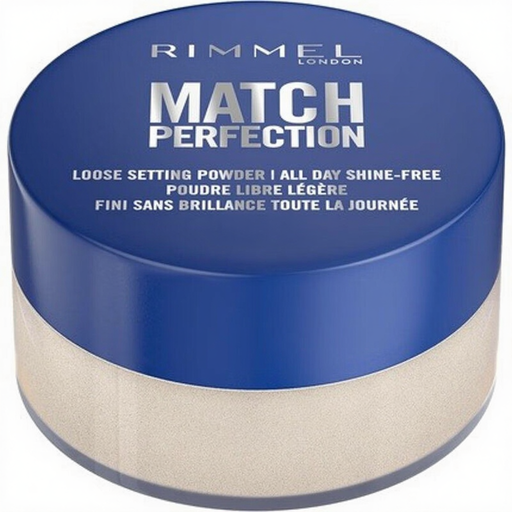
Rimmel Match Perfection Loose Setting Powder 001 Translucent Lightweight
Why This Fits Their Persona: Ideal for anyone seeking a reliable and affordable solution for daily use. This powder offers solid performance for setting makeup and controlling light shine without breaking the bank.
The formula is designed to set makeup without overly drying the skin (avoids Trap 2). As a translucent powder for light to medium skin tones, it minimises the risk of a visible cast when applied correctly (avoids Trap 1).
Lightweight texture that is easy to blend. Provides a velvety finish and effectively extends the wear of your makeup.
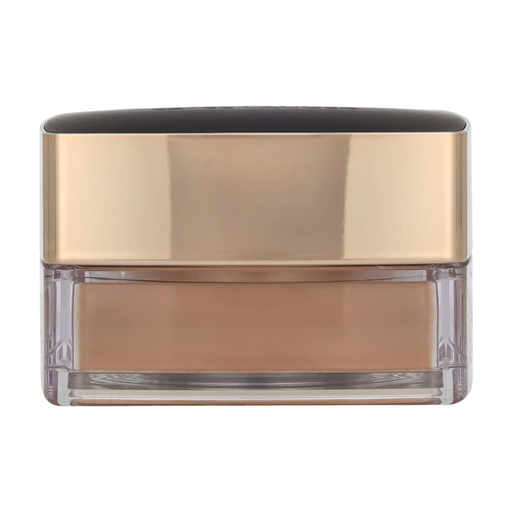
EST?E LAUDER Double Wear Sheer Flattery Loose Powder
Why This Fits Their Persona: For those with oily or combination skin looking for a long-lasting solution to combat shine. The Double Wear line is renowned for its durability and reliable all-day performance.
Its oil-free formula specifically controls shine without drying out the skin (avoids Trap 2). The fine texture ensures a natural, matte finish and prevents a mask-like effect, making the soft-focus effect last (avoids Trap 3).
Powerful, long-lasting shine control. The silky texture melts into the skin and blurs the appearance of pores.
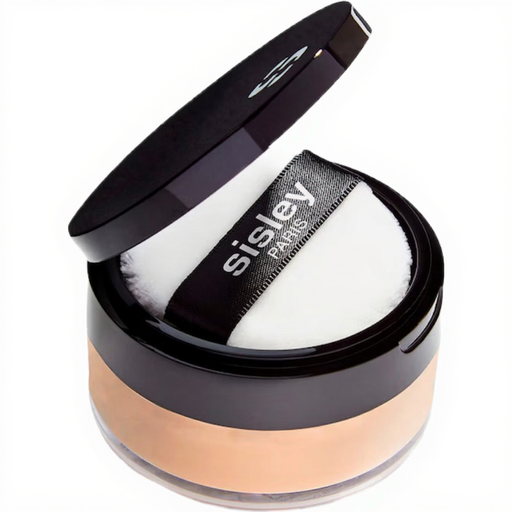
Sisley Phyto Loose Face Powder 12 g
Why This Fits Their Persona: For users who seek a luxurious experience and value skin-caring ingredients. This powder combines a perfect finish with the benefits of botanical extracts.
The formula is enriched with Mallow and Linden Blossom extracts to nourish the skin and prevent dryness (avoids Trap 2). Its ultra-fine texture provides a long-lasting, perfecting veil that doesn't look cakey (avoids Trap 3).
Exceptionally lightweight and velvety texture. It enhances the skin's radiance and provides a luminous matte finish.
Looking for More Options?
We've compiled a complete, up-to-date list of products that fully meet these strict selection criteria and current regulations.
Frequently Asked Questions (FAQ)
1. How do I apply loose powder without it looking patchy or "cakey"?
The right technique is key to a natural finish. Dispense a small amount of powder into the jar's lid. Pick up the powder with a large, fluffy powder brush and tap off any excess on the edge of the lid. Gently press the brush onto the skin rather than swiping, starting in the T-zone. Afterwards, you can lightly sweep the brush over your face to blend everything together.
2. What is the difference between loose powder and pressed powder?
Loose powder has a very fine, lightweight consistency and is typically used at home to set makeup. It provides a very natural finish. Pressed powder is compacted and often comes with a sponge or puff. It's ideal for on-the-go touch-ups to refresh the complexion and reduce shine, and it can offer slightly more coverage.
3. Can I use loose powder on dry skin?
Yes, but choosing the right product is especially important. Avoid heavily mattifying formulas. Instead, look for a setting powder with a natural or radiant finish. Products described as "light-reflecting" or "luminous" are often a good choice. Additionally, apply the powder very sparingly and only to the areas where you need to set your makeup, such as the center of your face.