
LED Bulb Buyer's Guide: Avoiding Common Mistakes
Switching to LED lighting promises energy savings and a long lifespan. However, the market for LED bulbs is overwhelming, and many buyers fall into traps that lead to frustration and unnecessary expense. As your Joybuy Product Recommendation Officer, I'll help you identify the crucial features and separate marketing hype from real facts.
Before you make a decision, you should be aware of the three most common pitfalls when choosing LED lamps:
- The Watt Fallacy: Many people still use wattage as a reference point, as they did with old incandescent bulbs. With LEDs, however, this value only measures energy consumption, not brightness. A 10-watt model from one brand can be dimmer than an 8-watt model from another. The decisive value is the luminous flux, measured in lumens (lm).
- The Colour Temperature Trap: The term "warm white" is not standardised. The result can range from a cosy candlelight glow to an unexpectedly cool, sterile tone. The wrong colour temperature can negatively affect the atmosphere of an entire room.
- The Dimmer Compatibility Gap: Using a standard LED bulb with a dimmer switch almost always leads to problems. Flickering, buzzing, and a drastically shortened lifespan are the consequences. Only products specifically marked as dimmable LEDs are suitable for this purpose.
What Really Matters When Choosing: The Core Parameters
To avoid a bad purchase, focus on three objective technical specifications. You'll find these in the product descriptions, and they are the key to making the right choice.
1. The Base: The Foundation of Compatibility
The most fundamental characteristic is the base, which must fit your light fixture's socket. The most common types in UK households are:
- E27: The classic, wide screw base. It's the standard for most ceiling, floor, and table lamps. An E27 LED lamp is the most common variant.
- E14: The narrower screw base, often called the "small Edison screw." It's frequently found in chandeliers, wall sconces, or smaller bedside lamps. An E14 LED bulb is the right choice here.
- GU10: A push-and-twist base with two thick pins that locks into place. It is typically used for recessed spotlights in ceilings or in spot lighting systems.
Always check the base of the bulb you are replacing before making a purchase.
2. Luminous Flux (Lumen) and Colour Temperature (Kelvin)
These two values define the lighting effect in a room:
- Luminous Flux (Lumen, lm): This is the direct measure of brightness. As a guide: an old 60-watt incandescent bulb is equivalent to an LED bulb with about 800 lumens. For general ambient lighting in a living room, 800-1500 lm per fixture is a good benchmark, while 400-500 lm is often sufficient for a reading lamp.
- Colour Temperature (Kelvin, K): This value describes the light colour.
- Warm White (under 3,300 K): Creates a cosy, relaxing atmosphere, similar to the light of an incandescent bulb or a candle. Ideal for living rooms and bedrooms.
- Neutral White (3,300 – 5,300 K): A clear, functional light that promotes concentration. Well-suited for kitchens, bathrooms, and workspaces.
- Daylight White / Cool White (over 5,300 K): Has a stimulating effect and is closest to natural daylight. Often used in basements, garages, or workshops.
3. Additional Features: Dimmability and Smart Control
If you want to regulate the brightness, look explicitly for the "dimmable" label. For maximum flexibility, consider smart home bulbs. These can be controlled via an app or voice command, and often not only the brightness but also the colour temperature can be seamlessly adjusted.
Guiding Your Right Choice
Here are some product recommendations tailored to specific use cases that avoid the pitfalls mentioned.
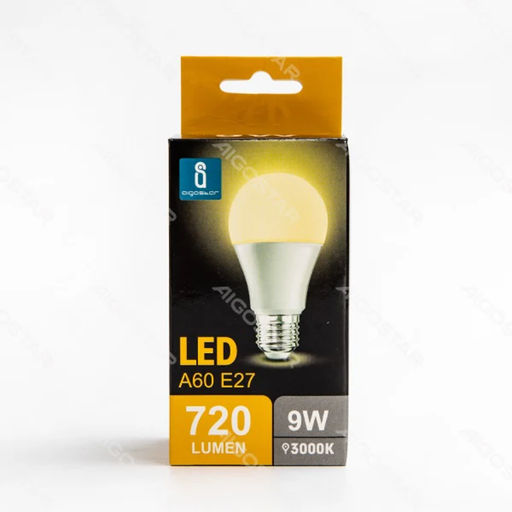
Aigostar A5 A60 Big Angle LED Light Bulb, E27 9W 3000K
Why it's a good fit: Ideal for anyone looking for a reliable and efficient bulb for everyday room lighting. The 3000K colour temperature provides a pleasant, versatile warm white for living areas without appearing too yellow.
This bulb provides clear specs: 840 lumens from 9 watts of power. This avoids the "Watt Fallacy." The defined colour temperature of 3000K protects against the "Colour Temperature Trap."
A great balance of brightness (840 lm) and warm light with low energy consumption. The manufacturer's stated lifespan of 15,000 hours promises excellent longevity.
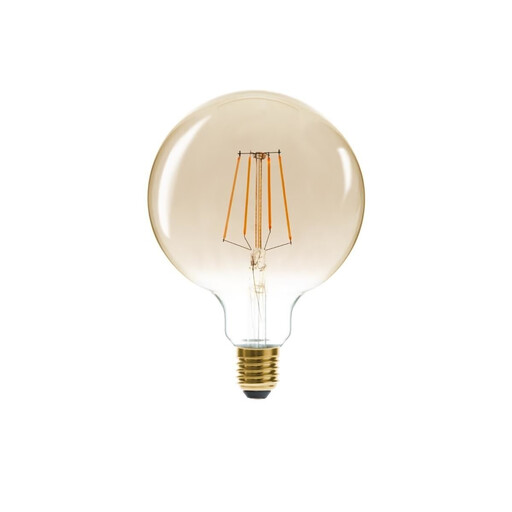
Atmosphera Globe LED Bulb - G125, Amber
Why it's a good fit: Perfect for creating a vintage or industrial look. The large globe LED shape and amber-tinted glass make it a decorative element, especially in exposed fixtures.
This decorative bulb is designed for atmosphere, not for primary illumination. The intentionally low lumen value (350 lm) and tinted glass prevent a decorative lamp from being unpleasantly bright.
Striking design with a visible LED filament and amber-coloured glass. It creates a very warm, inviting atmosphere reminiscent of a classic Edison bulb.
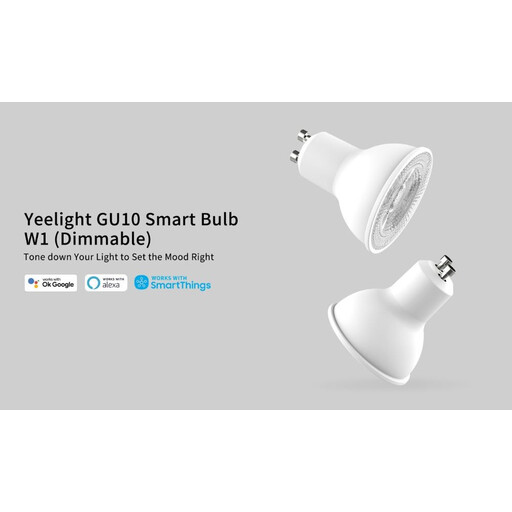
Yeelight GU10 Smart Dimmable LED Bulb
Why it's a good fit: For users who want to integrate their lighting into a smart home system like Alexa or Google Home to control it via voice, schedules, or remotely.
It bypasses the "Dimmer Compatibility Gap" because the dimming function is controlled via an app or voice, not a physical wall switch. This reliably prevents flickering and buzzing.
Seamless integration into popular Smart Home systems. Allows for stepless dimming and the grouping of multiple lights for complex lighting scenes.
Looking for more options?
We have curated a selection of products that meet objective criteria for performance, design, and energy efficiency.
Frequently Asked Questions
How long does an LED bulb last?
Manufacturers often state the lifespan in hours, such as 15,000 or 25,000. This value is determined under laboratory conditions. In practice, the actual lifespan heavily depends on the operating conditions. A crucial factor is heat dissipation. A bulb in a narrow, enclosed fixture will get hotter and therefore have a shorter lifespan than one in an open lamp with good ventilation. Frequent switching on and off can also affect its longevity.
Can I dim any LED bulb?
No. Only bulbs explicitly marked as "dimmable" should be used with a compatible dimmer switch. Attempting to dim a non-dimmable LED will cause flickering and buzzing, and can damage both the bulb and the dimmer. Smart home bulbs are an exception, as their brightness is controlled electronically via an app or voice assistant, regardless of the type of wall switch.
What's the difference between E27 and E14 bases?
The designations refer to the diameter of the screw thread in millimetres.
- E27 has a diameter of 27 mm and is the large, widely used standard in Europe.
- E14 has a diameter of 14 mm and is the smaller version, often used for more delicate fixtures like chandeliers or bedside lamps. Checking the base of your old lamp is the easiest way to ensure you buy the correct replacement bulb.