
Buying Korean soybean paste: how to choose the right Doenjang, Ssamjang or Chunjang
Korean soybean paste isn’t one single product. Depending on the variety, it can be used in soups, stews, marinades, dips or Jajangmyeon. If you choose by the words ‘Soybean Paste’ alone, you could easily end up with a paste that doesn’t suit your recipe, either in flavour or in how it’s used.
Three things commonly lead to the wrong purchase:
- Confusing the different types of paste: Doenjang, Ssamjang and Chunjang have different ingredients, flavour profiles and uses.
- Unclear descriptions of heat and sweetness: ‘Mild’ doesn’t necessarily mean low in salt or neutrally seasoned.
- Buying too large a pack for occasional use: Fermented pastes are concentrated, so you only need a little. If you don’t cook with them often, a large pack could sit in the fridge for a long time after opening.
To choose the right one, start with the dish you’re making, then check the ingredients and storage instructions – not just the branding or packaging.
Which Korean soybean paste should you choose for your dish?
Doenjang for soups and stews
Doenjang is a Korean fermented soybean paste, typically used as a seasoning base for Doenjang-jjigae, soups, stews, sauces and marinades. Depending on the recipe, you can stir it straight into the stock or combine it first with garlic, spring onions and other ingredients.
When comparing products, check for:
- Soybeans and salt as key ingredients
- References to fermented soybeans, meju or koji
- Salt content per 100 g
- Allergens such as soya and wheat
- Storage instructions after opening
Doenjang is often strongly flavoured, so you’ll usually only need a small amount. For soup, you can first dissolve the paste in a little stock. This helps it distribute evenly and prevents lumps.
Ssamjang for wraps, dips and marinades
Ssamjang is a seasoned soybean paste. It often contains chilli or pepper paste, garlic, onions, sesame and sweeteners. Traditionally served with meat wrapped in lettuce leaves, it also works well as a dip for vegetables or as a marinade.
Ssamjang is a handy choice if you don’t want to mix up an extra sauce. Even so, check the ingredients: depending on the product, it may contain wheat, soya, peanuts or sesame. If you have allergies, always follow the information on the specific packaging.
Chunjang for Jajangmyeon
Chunjang, also known as black bean paste, is the traditional base for Jajangmyeon and Jajangbap. Its dark colour doesn’t come from soybeans alone; it may also contain ingredients such as wheat and caramel. Chunjang usually has an earthy, savoury flavour with a hint of sweetness.
One important preparation step: many recipes call for frying the paste briefly in oil first. This helps bring out its flavour and reduce any bitterness. Chunjang is therefore not automatically a substitute for Doenjang.
Three things to check before you order
1. Ingredients and allergens
Compare the ingredients with the dish you’re planning to make. A product containing soybeans and wheat may work well in traditional recipes, but it may not be suitable for people with a wheat or gluten intolerance.
With Ssamjang, also check for additional ingredients such as sesame, peanuts, chilli, sugar or sweeteners. Recipes can vary considerably from one product to another.
2. Salt, sugar and strength of flavour
The nutrition table gives you an objective way to compare products. According to product information, some Doenjang products contain around 11 to 11.8 g of salt per 100 g. That’s not unusual for fermented seasoning pastes, but it’s worth bearing in mind when planning your recipe. Add any extra soya sauce, stock or salt sparingly to begin with.
Ssamjang and Chunjang can also have a higher sugar content, which can make a noticeable difference to marinades, dips and sauces. If you’re making a savoury soup, Doenjang is generally a better choice than a sweetly seasoned paste.
3. Pack size and storage
For occasional cooking, 170 to 300 g is often enough. If you use it regularly, a 460- or 500-g pack may be more suitable. Storage is also important: some products can be kept at room temperature unopened, but need to be refrigerated after opening. Always follow the packaging instructions and use clean cutlery.
Product picks by shopper profile
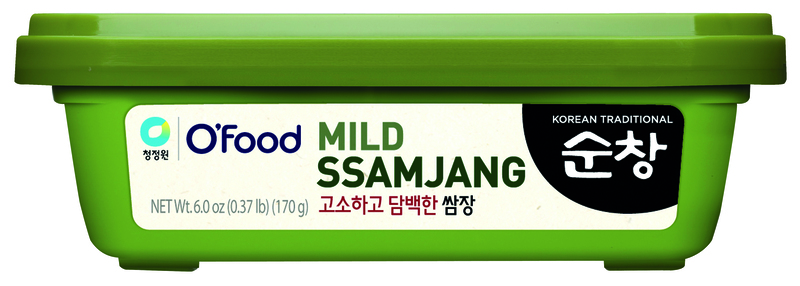
O'Food Korean Soybean Paste Mild 170g
Why it suits this profile: The smaller pack is ideal for households looking to try Korean seasoning paste and make soups, sauces or marinades only occasionally.
The 170 g pack reduces the risk of having to store a large pack for a long time if you only use it occasionally. The product description indicates a mild flavour.
Soybeans and wheat are listed as allergens; product information gives the salt content as 11 g per 100 g.
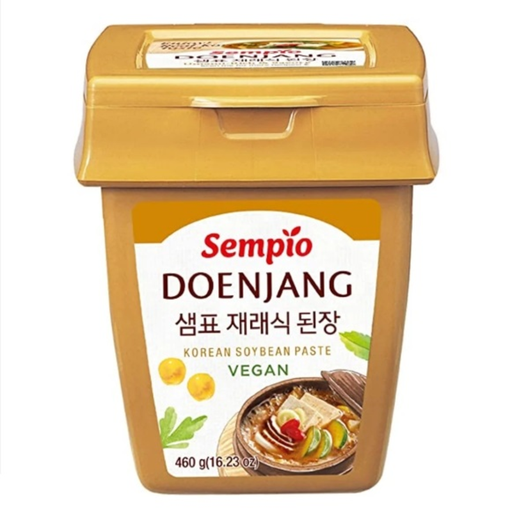
Sempio Doenjang Soybean Paste New Design 460g
Why it suits this profile: Made with soybeans, salt, wheat flour and Aspergillus oryzae, this paste is suited to classic Doenjang dishes such as stews, sauces and marinades.
Clearly labelled as Doenjang, it’s less likely to be confused with sweeter Ssamjang or Chunjang. Refrigerate after opening.
460 g pack, with 14 g of protein and 11.8 g of salt per 100 g according to product information; made in Korea.
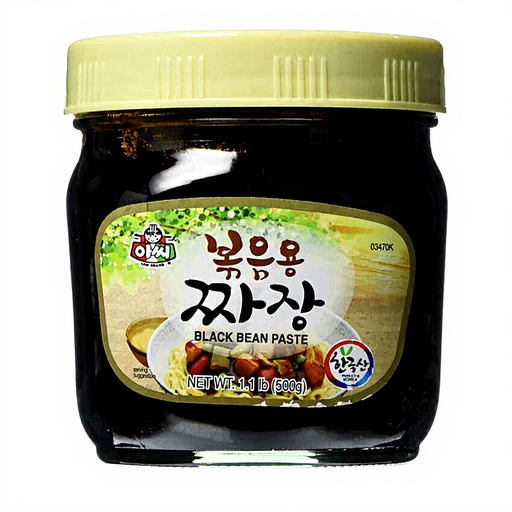
ASSI Jjajangmyeon Black Bean Paste 500g
Why it suits this profile: This Chunjang paste is for anyone making Jajangmyeon or Jajangbap specifically and looking for a larger pack.
The clear Black Bean Paste labelling helps prevent confusion with Doenjang. The instructions recommend frying the paste in oil for 2–3 minutes before continuing with the recipe.
500 g pack, from South Korea, with 9.01 g of salt per 100 g according to product information; contains wheat or gluten and soya.
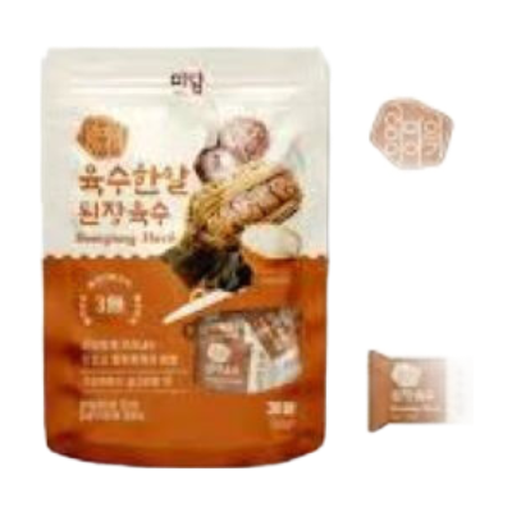
Midam Soybean Paste Broth Tablets 90g
Why it suits this profile: These individually portioned stock tablets are handy for smaller households, quick soups and easy-to-prepare dishes inspired by Doenjang.
The pre-portioned format makes it easier to get the right amount for soups and stews. The ingredients also include dried garlic, seaweed, leek and green chilli.
90 g pack of instant stock tablets; product information recommends them for soups, stews and noodle dishes.
Looking for more options?
We’ve put together a complete, regularly updated list of products that meet these strict selection criteria and fully comply with the safety regulations in force in the EU.
Korean soybean paste FAQs
Is Doenjang the same as miso?
No. Both pastes are often made with fermented soybeans, but they can differ in their recipe, fermentation process, salt content and seasoning. For Korean Doenjang-jjigae, Doenjang is the natural choice. Miso may have a similar flavour, but it won’t always work as a direct substitute in the same quantity.
How long does Korean soybean paste last after opening?
It depends on the product, packaging and how it’s stored. Many pastes need to be kept in the fridge after opening. Check the best-before date and the manufacturer’s specific instructions. Using a clean spoon and keeping the container tightly closed can help prevent contamination.
How do I use Korean soybean paste in soup?
Start by dissolving a small amount of Doenjang in hot stock, then add vegetables, tofu, mushrooms or meat. The paste is already salty, so wait until the end to adjust the seasoning. For Jajangmyeon, use Chunjang instead and usually fry it briefly in oil before adding the other ingredients and liquid.