
Korean Snacks: A Guide to Choosing Without Regret
The growing popularity of Korean culture has brought a fascinating culinary world to the global stage. In particular, Korean snacks are increasingly popping up on store shelves. However, the vast selection can quickly become overwhelming. Not every product advertised as authentic or healthy delivers on its promise. Many consumers are disappointed to find their pricey snack either lacks flavour, has unexpectedly high salt or fat content, or has lost its advertised crispy texture long before opening.
This guide serves as your compass. It highlights the most common purchasing pitfalls and explains which objective criteria you should look for to make an informed decision—for authentic enjoyment without compromise.
The 3 Most Common Pitfalls When Buying Korean Snacks
Before deciding on a product, it's helpful to know the typical marketing promises and product flaws that often lead to disappointment.
- The "Health" Trap:Seaweed snacks are often positioned as a low-calorie, nutritious alternative. While seaweed itself is rich in minerals, the health value of the final product depends heavily on its processing. Many products contain a high proportion of oil and salt, which overshadows the nutritional benefits of the seaweed. A look at the nutrition label is therefore essential.
- The "Authenticity" Gap: The term "Korean-style" is not a protected designation. Some snacks merely imitate the style but are not made in Korea or do not use traditional ingredients. This often leads to a flat or inauthentic taste experience that is far from what you might know from K-dramas or a trip to Korea.
- The "Crispiness" Dilemma: For many Korean snacks, especially crispy seaweed, texture is a crucial quality marker. Inadequate packaging that doesn't protect against moisture, or an overly long shelf life, can cause the snacks to become soft and chewy even before being opened.
Key Criteria to Check Before Buying
To avoid these pitfalls, you should check three core parameters. These will help you objectively evaluate a product's quality and suitability.
1. Snack Type and Intended Use
Not every seaweed snack is the same. Korean cuisine makes clear distinctions based on shape and preparation, which determines their intended use:
- Roasted Seaweed Sheets (Gim/Nori): These are thin, crispy sheets, often lightly salted and seasoned with sesame oil. They are suitable as a direct snack, as a side dish with rice, or for wrapping small portions of rice. Products like Nori sheets are the foundation for sushi and kimbap.
- Seasoned Seaweed Flakes (Gimjaban): These shredded and seasoned seaweed flakes are a popular ingredient in Korean home cooking. They are sprinkled over rice, noodles, or soups to add an extra layer of flavour and texture.
- Fried Seaweed Rolls (Gimmari): This is a hearty street food snack. Glass noodles are rolled in seaweed sheets, dipped in batter, and deep-fried. Gimmari are a filling snack and are often served with tteokbokki (spicy rice cakes).
2. Ingredient List and Nutritional Information
A transparent ingredient list is a clear sign of quality. Pay attention to the following points:
- Type of Oil: High-quality products often use a blend of canola, sunflower, or corn oil and are finished with sesame oil for the typical nutty aroma.
- Salt Content: Compare the salt content per 100g. Healthy Asian snacks are often characterized by a moderate sodium level.
- Additives: A short, understandable ingredient list without a long line of flavour enhancers or artificial flavourings is usually a good sign.
3. Origin and Brand
For an authentic taste experience, origin is crucial. A product with the label "Made in South Korea" generally guarantees adherence to traditional recipes and quality standards. Established brands like Bibigo Snacks, Chung Jung One, or Kimnori have been present in the Korean food online market for years and stand for consistent quality.
Picks for Every Flavor Profile
Based on the criteria above, we have compiled a selection of products suitable for different preferences and use cases.
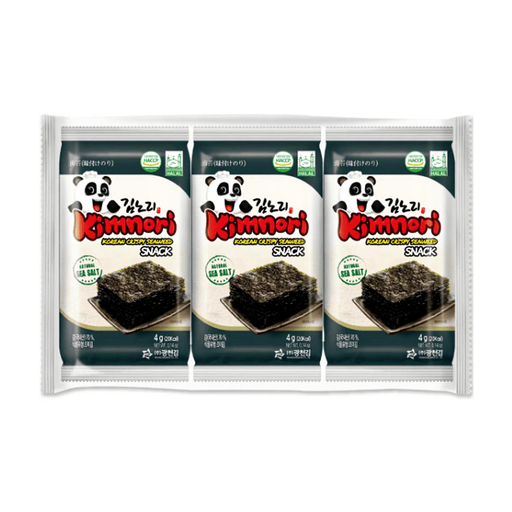
Kimnori Seasoned Seaweed Original 3x4g
Why This Fits Their Persona: Ideal for anyone looking for a light, low-calorie snack with an authentic taste. The convenient 4g portion packs are perfect for a lunchbox, the office, or as a quick, salty bite in between meals.
The transparent ingredient list focusing on seaweed, oil, and salt bypasses the "Health" Trap. The individual packs guarantee freshness and prevent the "Crispiness" Dilemma.
Classic, umami-rich flavour; convenient portion control; simple, high-quality ingredients.
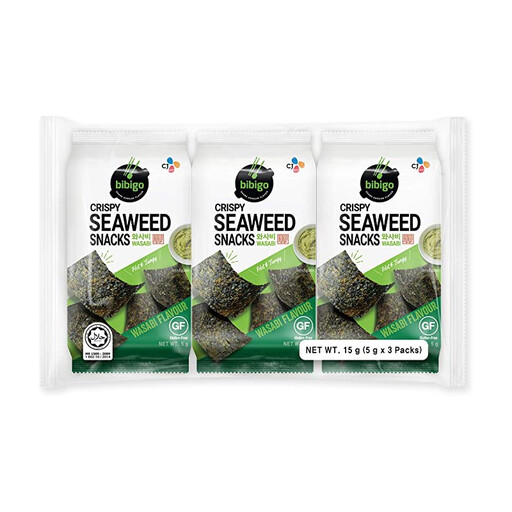
bibigo Crispy Seaweed Snack Wasabi 5g x 3 Packs
Why This Fits Their Persona: For those who prefer a pleasant kick in their snacks. This spicy snack combines the salty umami flavour of roasted seaweed with the distinct, stimulating heat of wasabi.
The product delivers a specific and authentic flavour profile (wasabi) instead of a generic "spicy" seasoning, thus avoiding the "Authenticity" Gap.
Distinct wasabi note; crispy texture from high-quality roasting; made by the renowned Korean brand Bibigo.
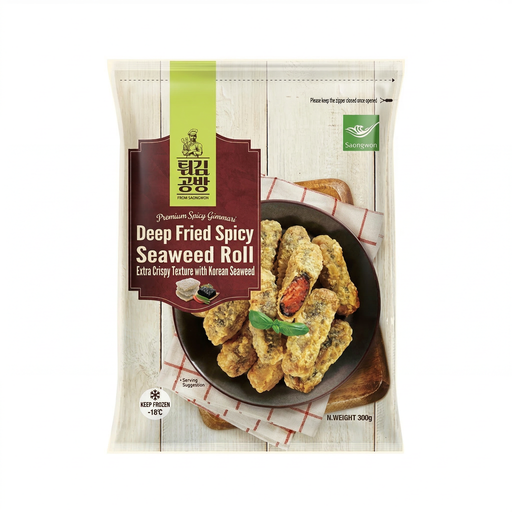
SAONGWON Seaweed Roll Deep-Fried Spicy 300g
Why This Fits Their Persona: Perfect for home cooks and fans of Korean cuisine who want to recreate an authentic street food experience at home. These Gimmari are a hearty, filling meal or a snack for social gatherings.
This product isn't just a simple snack but an authentic Korean specialty (Gimmari). It offers a genuine culinary experience, sidestepping the trap of inauthentic "Korean-style" products.
Authentic street food product; filled with glass noodles for a satisfying texture; easy to prepare in a pan or air fryer.
Looking for More Options?
We have compiled a complete, up-to-date list of products that fully meet these strict selection criteria and UK/EU regulations.
Frequently Asked Questions (FAQ)
How do I properly store seaweed snacks to keep them crispy?
The most important rule is to protect the snacks from moisture. Store the unopened package in a cool, dry place away from direct sunlight. After opening, the package should be sealed tightly, or the contents transferred to an airtight container. This will preserve the crispy texture for the longest time.
Are Korean seaweed snacks a healthy choice?
That depends on the specific product. The seaweed itself is a source of iodine, vitamins, and minerals. However, the other ingredients and the processing method are crucial. A snack with little oil, moderate salt content, and no added sugar can be a good addition to a balanced diet. It is always advisable to check the nutritional information on the packaging.
What is the difference between Gimjaban and Gimmari?
Although both are based on seaweed, they are two completely different products. Gimjaban are seasoned, roasted, and shredded seaweed flakes used as a topping or seasoning for dishes like rice or soup. Gimmari, on the other hand, are a standalone, hearty snack: spicy glass noodles are rolled in seaweed sheets and then deep-fried, giving them a crispy exterior and a soft centre.