
Buyers Guide to Grape Candy Varieties
The world of candy is vast, but the flavour of grape holds a special appeal. In particular, grape-flavoured Asian snacks, from grape gummies to innovative grape jelly snacks, are gaining popularity. But the wide selection can also lead to disappointment. Many products don't live up to the promises made on their colourful packaging.
This guide will help you avoid the most common purchasing pitfalls and find the grape candies that truly match your preferences. We'll focus on objective criteria so you can make an informed decision.
The 3 Most Common Pitfalls When Buying Grape Candies
Before you buy Asian snacks online, be aware of these typical issues to avoid buyer's remorse:
- Misleading "Fruit Flavour": Many products advertise an intense grape aroma that often comes exclusively from artificial flavourings. The actual fruit juice content is minimal or non-existent, leading to an artificial and disappointing taste experience.
- Unexpected Textures: Terms like "gummy," "jelly," or "soft candy" are often used interchangeably but describe very different consistencies. A gummy advertised as soft might turn out to be tough, while a jelly could be unexpectedly firm or watery.
- Hidden Calories and Additives: The label low-calorie candies can be misleading. Sometimes, sugar is replaced by a high amount of sweeteners or sugar alcohols, which not everyone tolerates well. Additionally, long ingredient lists can hide unwanted colourings and preservatives.
What to Look For When Buying: The Key Parameters
To choose the right grape candies, you should check three core aspects. These will help you objectively evaluate product quality.
1. Candy Type: Understanding Texture and Form
Texture is a crucial characteristic. The most common types are:
- Gummies: Traditionally made with a gelatin or pectin base. The consistency can range from very soft and juicy to firm and chewy. Products with a high fruit juice concentrate content often offer a more intense flavour experience.
- Jelly Snacks: Especially popular in Japanese sweets. Many are based on konjac powder, which gives them a unique, slightly springy, and smooth texture. They often come in convenient squeeze pouches and are a refreshing option as a grape jelly snack.
- Chewy Candy: These offer a long-lasting chewing experience. The texture is typically denser and less elastic than gummies. Some varieties have a filling or multiple layers.
2. Ingredient List and Origin
A close look at the ingredient list is essential. Pay attention to the percentage of real fruit juice or fruit juice concentrate. A higher position on the ingredient list indicates a larger quantity. Also, check which sweeteners are used—sugar, glucose syrup, fructose syrup, or artificial sweeteners like aspartame and sucralose. The country of origin, whether Japan, China, or another country, can also provide clues about traditional recipes and typical textures.
3. Nutritional Information and Special Diets
For mindful eating, the nutritional facts are crucial. Compare the calorie and sugar content per 100 grams. If you're looking for low-calorie candies, konjac-based products are often a great choice as they contain almost no calories or sugar. Also, look for allergen warnings and check if the product is suitable for a vegan or vegetarian diet (e.g., by being gelatin-free).
Tailored Product Recommendations
Here are a few recommendations tailored to different profiles and needs.
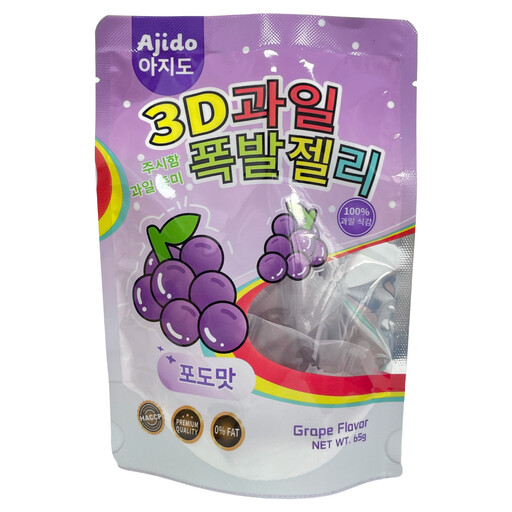
Kimnori 3D Peelable Gummy Candy (Purple Grape Flavor) 65g
Why This Fits Their Persona: Ideal for anyone looking for a fun and novel snacking experience. Peeling the outer layer turns eating into a little game, perfect for sharing with friends or for fans of Asian pop culture seeking trendy sweets.
It bypasses the "texture lottery" with its unique, peelable design, which sets a clear expectation for its interactive consistency. According to the manufacturer, the flavour comes from concentrated fruit juice (>28%), avoiding the artificial flavour trap.
Interactive, peelable 3D design; soft and springy texture from gelatin and pectin; high content of concentrated grape juice.
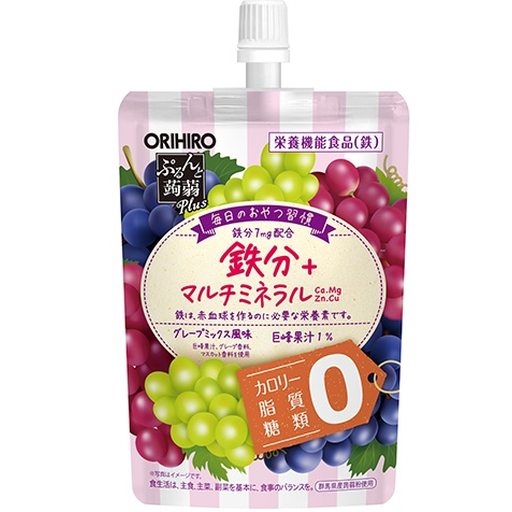
ORIHIRO Purun and Plus Grape Mix 130g
Why This Fits Their Persona: Perfect for those who want to enjoy a sweet snack without the guilt. This Japanese jelly snack is an excellent choice for a calorie-conscious diet or as a light dessert that satisfies sweet cravings without breaking the calorie bank.
This product consistently avoids the "calorie trap": according to its nutritional information, it contains 0 kcal and 0g of sugar per 100g. It's based on konjac powder and sweetened with artificial sweeteners. The flavour comes from real grape juice (8%).
Sugar-free and calorie-free; contains added minerals (zinc, copper) and biotin, according to the manufacturer; authentic, soft konjac jelly texture.
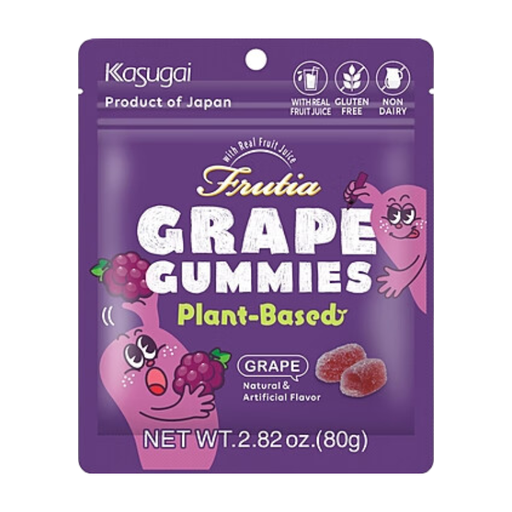
KASUGAI Frutia Grape Gummy (Plant-Based) 80g
Why This Fits Their Persona: For purists seeking a high-quality, classic gummy with an authentic taste. This Japanese product skips the gimmicks and focuses on a pleasantly chewy texture and an intense, natural grape flavour.
It avoids the "artificial fruit flavour" trap, as concentrated grape juice is one of the main ingredients. The texture is pectin-based, which meets the clear expectation of a classic, plant-based gummy and avoids the texture lottery.
Plant-based (no animal gelatin); intense flavour from real fruit juice; pleasantly chewy texture; resealable packaging.
Frequently Asked Questions
What's the difference between konjac jelly and regular gummies?
The main difference lies in the texturizing ingredient. Konjac jelly is made from the flour of the konjac root. This gives it a smooth, slightly springy, and often described as refreshing consistency. It's also nearly calorie- and sugar-free. Gummies are typically based on gelatin (animal-derived) or pectin (plant-based), resulting in a chewier, more elastic texture.
How do I properly store Asian candies to keep them fresh?
Most of these products should be stored in a cool, dry place, away from direct sunlight. After opening, it's advisable to reseal the package tightly (many have a zip-lock closure) or transfer the contents to an airtight container. This prevents gummies from drying out and preserves the freshness of jelly snacks.
Do these candies often contain allergens?
It varies greatly by product. While many simple gummies and jellies are free from the 14 major allergens, other products may contain milk, soy, or traces of nuts and gluten, especially filled candies or cookies. It is absolutely essential to carefully read the ingredient list and allergen warnings on the packaging before purchasing and consuming.