
Buy Konjac Jelly: Flavours, Ingredients and Selection Guide
Konjac Jelly combines an elastic jelly texture with fruity flavours and a convenient single serving. The Japanese jelly snacks are ready to eat and suitable for work, on the go or as a dessert after a meal. The range also includes vegan jelly products, Nata de Coco Dessert, Mango Jelly, Strawberry Jelly, Grape Jelly, Lychee Jelly, Matcha Jelly and Grass Jelly.
Before buying, it is worth taking a close look at the ingredients list, nutritional values and packaging. Not every konjac jelly is automatically suitable for every dietary style or intended use.
Common pitfalls when buying Konjac Jelly
1. “Light” does not automatically mean low in sugar
Many products are described as a low-calorie snack. However, nutritional values can vary considerably. According to the product information, TARAMI Oishii Konjac Jelly Strawberry contains 53 kcal per 100 g, while Shimonita Konjac Kobo Konjac Jelly Matcha Flavor is listed at 101 kcal per 100 g. Cool Strong Konjac Jelly contains between 107 and 111 kcal per 100 g, depending on the flavour.
The important factor is therefore not simply the term “konjac”, but the specific nutritional table. The following are particularly relevant:
- Energy per 100 g and per pack
- Carbohydrates and sugar
- Serving size
- Sweeteners such as sucralose or erythritol
2. Fruit flavour does not mean a high fruit content
“Mango”, “strawberry” or “grape” in the product name initially describes the flavour. The actual fruit content may vary. Cool Strong Konjac Jelly Mango and Red Grape are listed as containing at least 40% fruit juice. The stated fruit juice content of Cool Strong Peach is at least 25%. Other products contain concentrated fruit juice or smaller quantities of fruit powder.
If you are looking for a distinctly fruity jelly, compare the ingredients list and stated juice content rather than relying solely on the image on the packaging.
3. The texture requires an appropriate way of eating it
Konjac powder and other gelling agents provide the characteristic elastic or firm texture. This is an important product feature, but it can be problematic if the jelly is eaten too quickly. Several product descriptions advise eating the jelly slowly and carefully. The lid should not be put in your mouth.
Particular care should be taken with children and older people. The instructions on the relevant packaging should be followed in full. For family-sized products, allergens and colourant information should also be checked.
Product details you should compare
Ingredients and allergens
Alongside konjac powder, Konjac Jelly may contain sugar, glucose syrup, fruit juice, acidity regulators, flavourings and various gelling or thickening agents. For example, TARAMI Oishii Konjac Jelly Grape lists water, sugar, glucose, indigestible dextrin, concentrated grape juice, xanthan gum and carrageenan.
If you prefer vegan jelly, look for clear vegan labelling. Delief Konjac Jelly Mango is described as vegan and, according to the product information, uses plant-based collagen from carrots. For Delief Konjac Jelly Lychee, the allergen information on the packaging should be checked, as the product details mention lychee as an indication. Nata de Coco products may also contain milk ingredients.
Nutritional values per 100 g and serving size
Comparing products per 100 g makes it easier to assess them. However, the actual pack may contain 106 g, 120 g, 150 g or considerably more. For example, a 150 g cup containing 66 kcal per 100 g provides more total energy than a smaller serving with the same base value.
Nata de Coco is not a classic konjac jelly. It consists of jelly-like coconut pieces in syrup. According to the product information, n.d.c. in Syrup Cocon Cup contains 78 kcal per 100 g, while Cocon Pudding Jelly Mixed Fruit Flavor is listed at 78.87 kcal per 100 g. These products are better suited as a dessert, topping or ingredient in drinks.
Storage and shelf life
Depending on the variety, unopened products are generally stored in a dry, cool place away from direct sunlight. Different instructions apply after opening:
- Cool Strong Konjac Jelly should be kept sealed and preferably consumed chilled.
- TARAMI Jelly is stored at room temperature, but should be protected from heat and direct sunlight.
- Nata de Coco Dessert should be refrigerated after opening and consumed promptly.
- Grass Jelly should be refrigerated after opening and, according to the product information, consumed within 24 hours.
The best-before date is shown on the packaging. When ordering online, it is a good idea to read the product information and storage instructions before buying.
Our selection for different user profiles
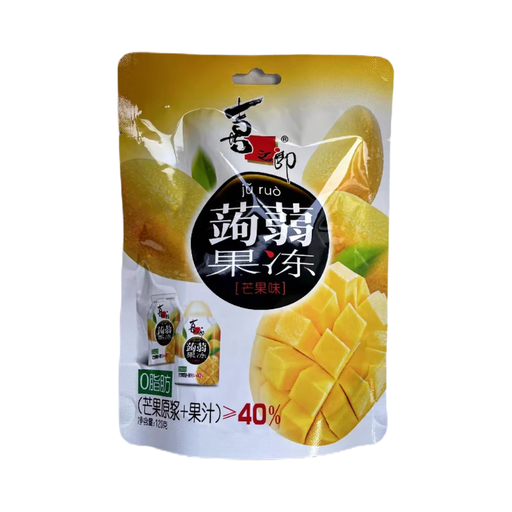
【Cool】Strong Konjac Jelly (Mango Flavor) 120g
Why this product suits this profile: The 120 g portion is ready to eat and offers mango flavour with a stated fruit juice content of at least 40%.
The product details clearly state the fruit juice content, ingredients and nutritional values per 100 g. This makes it easier to compare the product with other mango jellies.
120 g net weight, 111 kcal per 100 g according to the stated information, and ready to eat straight from the packaging.
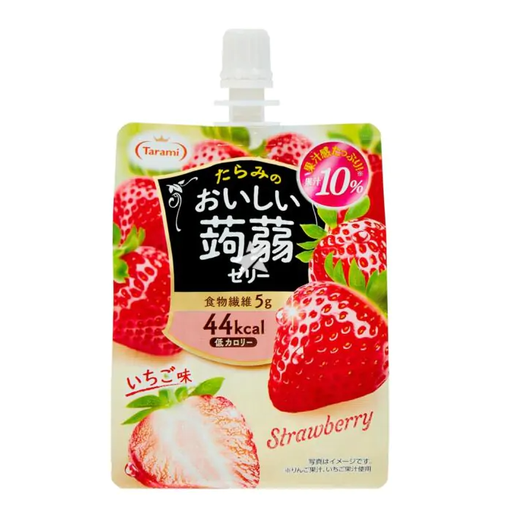
TARAMI Oishii Konjac Jelly Strawberry 150g
Why this product suits this profile: The product description states 53 kcal per 100 g, 1.1 g of fibre and concentrated strawberry juice.
The comparison value per 100 g makes the description as a low-calorie snack understandable without obscuring the serving size.
150 g pack, 0 g fat per 100 g and fruity strawberry flavour.
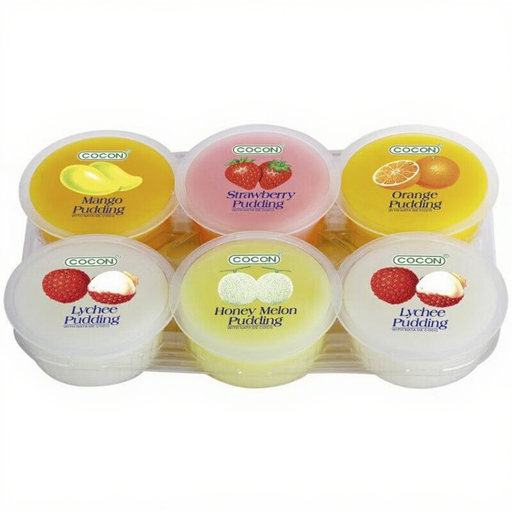
Cocon Pudding Jelly Mixed Fruit Flavor 6 x 80g
Why this product suits this profile: Six separate 80 g portions with lychee, mango, strawberry, orange and honeydew melon flavours are ideal for households and for trying several varieties.
The individual portions limit the amount left open. The “contains milk” notice prevents the product from being accidentally chosen as vegan jelly.
480 g total quantity, six cups and spoons according to the product description.
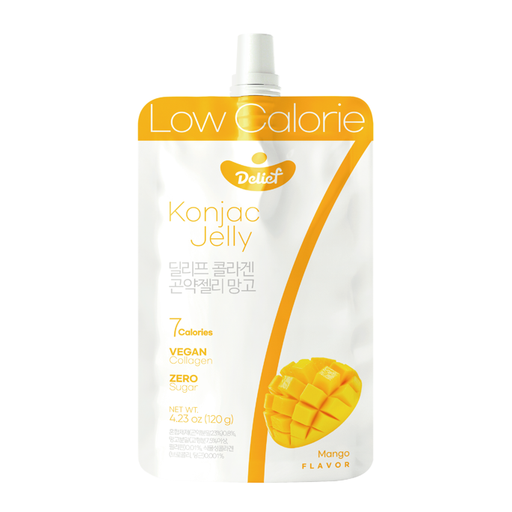
Delief Konjac Jelly Mango (Vegan) 120g Mango Flavor
Why this product suits this profile: The product is described as vegan and lists 5 kcal per 100 g and 1.0 g of carbohydrates per 100 g.
The vegan labelling and ingredients list provide clear guidance. Allergen information should also be checked against the current packaging.
120 g portion, mango flavour and fat-free according to the stated information.
Looking for more options?
We have put together a complete, regularly updated list of products that fully meet these strict selection criteria and the safety regulations applicable in the EU.
More varieties to compare
If you prefer less sweetness and a different texture, Grass Jelly is worth considering. According to the product information, XCLL Grass Jelly Dessert Pot contains 36 kcal per 100 g and can be served chilled, diced or as a topping for bubble tea. Matcha fans may enjoy Shimonita Konjac Kobo Konjac Jelly Matcha Flavor, which offers a more distinctive tea flavour with 101 kcal per 100 g.
For grape flavours, options include TARAMI Oishii Konjac Jelly Grape and Muscat. The stated values are 66 and 54 kcal per 100 g respectively. For a classic peach flavour, consider Shimonita Peach or Cool Strong Peach.
Konjac Jelly FAQs
Is Konjac Jelly vegan?
Not every Konjac Jelly is automatically vegan. Products such as Delief Konjac Jelly Mango and Delief Konjac Jelly Green Grape are listed as vegan. According to the product information, Cocon Pudding Jelly and Cocon Nata de Coco Dessert contain milk ingredients. The ingredients list and allergen labelling on the current packaging are the determining factors.
How should you eat Konjac Jelly?
Konjac Jelly is normally ready to eat and can be eaten straight from the packaging. Depending on the product, it is particularly enjoyable when chilled. Because of its elastic texture, it should be eaten slowly. Children and older people should only consume the product while paying close attention to the safety instructions.
How long does Konjac Jelly last?
The best-before date is shown on the packaging. Unopened products are generally stored in a dry place away from light. After opening, product-specific rules apply: refrigeration is often required and the jelly should be consumed promptly. The instructions from the individual manufacturer should always be followed.