
Konjac Jelly Buying Guide: Find the Right Low-Calorie Snack
As a Joybuy Product Recommendation Officer, I've observed the growing popularity of Asian sweets and snacks. Konjac jelly, in particular, often promoted as a low-calorie snack, is finding an ever-larger audience. However, the expanding selection also leads to uncertainty. Not every product marketed as "healthy" delivers on its promise. Before you buy fruit jelly, you should be aware of the common pitfalls to make an informed decision.
The most common problems consumers encounter are:
- The "Sugar Trap": Many jellies, including those from Asian markets, contain high amounts of sugar or high-fructose corn syrup, despite being advertised as a light alternative. This can lead to an unexpectedly high calorie count.
- Misleading Fruit Content: Colourful packaging with fruit illustrations doesn't guarantee a high fruit content. Often, the flavour comes primarily from artificial flavourings, while the actual fruit juice concentrate is present in minuscule amounts.
- Unexpected Consistency: The term "jelly" is broad. Some people expect a firm, spoonable dessert but receive a liquid, drinkable jelly (Jelly Drink). Others are looking for a convenient squeeze pouch for on-the-go and are disappointed by a solid block in a cup.
To avoid these disappointments, it's helpful to understand the basic product characteristics.
What to Look for When Buying Konjac Jelly
Choosing the right product becomes easier when you know which criteria truly matter. Instead of being swayed by marketing messages, you should take a close look at the ingredients list and the nutrition facts table.
Gelling Agent: The Key to Texture, from Konjac to Carrageenan
The consistency of a jelly is determined by the gelling agent used. This is the decisive factor in whether you get a firm jelly or a soft, drinkable one.
- Konjac Flour (Glucomannan): This plant-based gelling agent from the konjac root is characteristic of many Japanese and Korean snacks. It creates a uniquely firm, elastic, and chewy texture. If you're looking for an authentic chewy mouthfeel, products with a high proportion of konjac flour are the right choice.
- Carrageenan and Other Gelling Agents: Carrageenan (E 407), agar-agar, or gelatine are also commonly used. They often result in a softer, less chewy consistency. Products declared as a Jelly Drink or drinkable jelly often combine these with more water for a more liquid form.
- Nata de Coco: Some products also contain pieces of coconut jelly (Nata de Coco), which provide an additional bite.
Sweeteners and Calories: Sugar, Syrup, or Erythritol?
For many, the low calorie count is the main reason for buying konjac jelly. However, there are significant differences here, depending on the sweeteners used.
- Sugar and High-Fructose Corn Syrup: These provide quick energy but also drive up the calorie and sugar content. A look at the "Carbohydrates, of which sugars" section on the nutrition table is revealing here.
- Sugar Alcohols (e.g., Erythritol): Substances like erythritol are frequently used in very low-calorie konjac jellies. They provide sweetness but have virtually no calories and are barely metabolised by the body. Products advertised as an extremely low-calorie snack often rely on these sweeteners.
- Artificial Sweeteners (e.g., Sucralose, Acesulfame-K): These also provide sweetness without calories and are often used in combination with erythritol.
Fruit Content: Real Juice or Just Flavouring?
An intense fruit taste can be achieved in two ways: with real fruit juice or with flavourings.
- Fruit Juice Concentrate or Fruit Purée: A high-quality product lists these ingredients high up on the ingredients list, often with a percentage declaration (e.g., "contains 15% fruit juice from concentrate"). This indicates a more natural flavour.
- Flavourings: If the ingredients list only mentions "flavouring" or "natural flavouring" without specifying fruit juice, the taste comes mainly from added flavouring agents.
Recommended Products for Every Need
Based on these objective criteria, we have selected a few products from our range that cater to different needs.
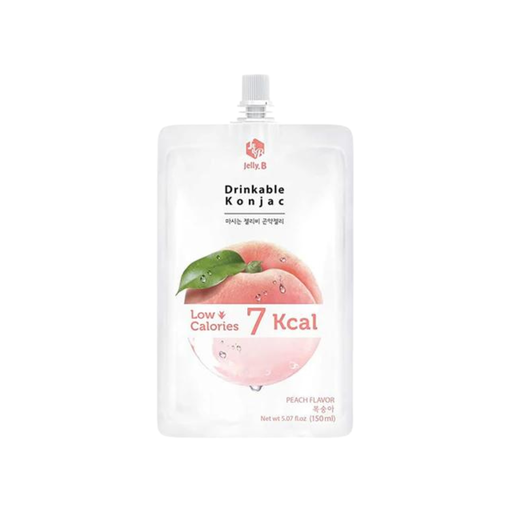
Jelly.B Konjac Jelly Peach 150ml
Why This Fits Their Persona: Ideal for anyone looking for a sweet snack without the guilt. This Korean squeezable jelly is perfect for a calorie-conscious diet or as a light dessert that satisfies sweet cravings without burdening your calorie budget.
It consistently avoids the "sugar trap." According to the manufacturer, it contains 0g of sugar and is sweetened with erythritol instead, resulting in an extremely low calorie count of just 5 kcal per 100g.
Extremely low-calorie: One of the lowest calorie counts on the market.
Convenient packaging: Resealable squeeze pouch for on-the-go consumption.
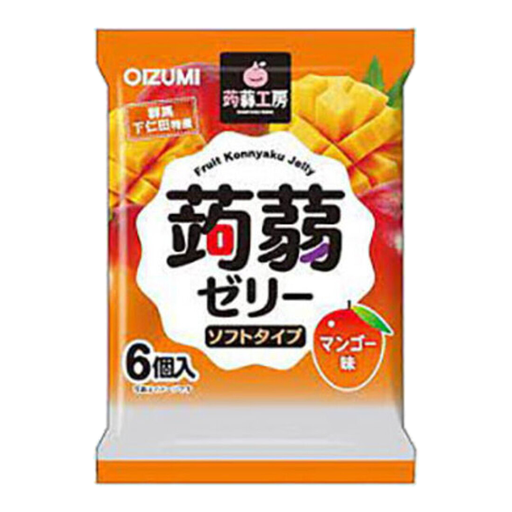
Shimonita Konjac Kobo konjac Jelly Mango Flavor 106g
Why This Fits Their Persona: For fans of J-food who are seeking the typically firm and elastic mouthfeel of a traditional Japanese jelly. This product offers an authentic snacking experience, just like you'd find in Japan.
It solves the "unexpected consistency" problem. The use of konjac flour provides the characteristic chewy texture that connoisseurs expect from a Japanese jelly, clearly distinguishing it from softer puddings.
Authentic texture: Made in Japan with konjac for a characteristic chewy feel.
Fat-free: According to the manufacturer, the product contains 0g of fat.
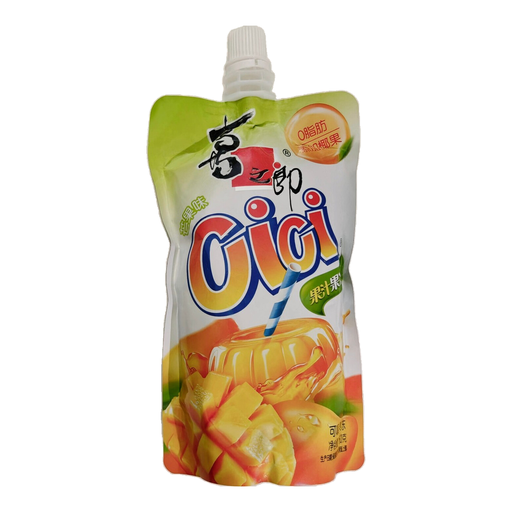
【Refreshing Cool】Strong CICI Jelly Drink, Mango Flavor, 150 g
Why This Fits Their Persona: Perfect for professionals or students who need a quick, simple, and refreshing snack for their break, after a workout, or on the move. No spoon, no mess.
This product is clearly positioned as a "Jelly Drink," thus avoiding false expectations about its consistency. The packaging with a spout cap is specifically designed for mobile enjoyment.
Maximum convenience: Ready-to-drink design in a squeeze pouch with a spout.
Refreshing: Serves as a light, refreshing snack when chilled, especially on warmer days.
Looking for more options?
We have compiled a complete, up-to-date list of products that fully meet these strict selection criteria and all relevant regulations.
Frequently Asked Questions (FAQ)
What is the difference between konjac jelly and regular fruit jelly?
The main difference lies in the gelling agent and the resulting texture. Konjac jelly uses konjac flour, which gives it a characteristic firm, elastic, and chewy consistency highly prized in Asian cuisine. Conventional fruit jelly, as commonly found in the West, is typically based on pectin or gelatine and has a softer, less firm texture. Additionally, many konjac jellies are designed as low-calorie snacks and use alternative sweeteners.
What is the best way to store konjac jelly?
Most konjac jellies are shelf-stable at room temperature when unopened. They should be stored in a cool, dry place away from direct sunlight. After opening, especially for larger packs or resealable pouches, it is recommended to store them in the refrigerator and consume them promptly, usually within 24 hours. Additionally, most jellies taste more refreshing when chilled. Always follow the storage instructions on the packaging.
Are konjac jellies suitable for children?
Caution is advised here. Many manufacturers include a warning on the packaging stating that the product can be a choking hazard due to its firm, chewy consistency. It is recommended not to swallow the jelly whole but to chew it thoroughly. Products in squeeze pouches can also pose a risk to small children if they suck on the cap. Therefore, always read the manufacturer's warnings on the specific product before giving it to children.