
Konjac Jelly Buyer’s Guide: How to Choose the Right Jelly Drink
Konjac jelly, also known as a jelly drink, has evolved from a niche product from Asia into a popular snack. The convenient squeeze pouches and the promise of a light, fruity treat are tempting. However, not every product delivers on its promise. When buying Asian sweets online, it's easy to fall into common traps that lead to disappointment and wasted money.
Before you decide on a product, you should be aware of the three most common pitfalls:
- The Calorie Trap: The label "low-calorie" can be misleading. Despite having little fat, some products contain significant amounts of sugar or high-fructose corn syrup, which drives up the calorie count.
- The Texture Disappointment: Consistency is crucial. A good konjac jelly has a pleasantly firm yet smooth texture. However, many cheaply produced varieties are either too watery and don't provide a feeling of fullness, or are unpleasantly rubbery.
- Unclear Ingredients: Vague terms like "flavourings" or incomplete ingredient lists make it difficult to choose. Anyone who values natural taste should check carefully whether the product contains real fruit juice or just artificial flavourings.
What Really Matters When Buying Konjac Jelly
To avoid these pitfalls, it helps to focus on three objective criteria. These parameters are the primary determinants of the quality, taste, and nutritional value of your jelly drink.
Gelling Agents and Consistency: The Key to Texture
The eponymous konjac flour (also known as glucomannan) is a plant-based gelling agent derived from the root of the konjac plant. It is responsible for the characteristic, satisfying texture. A higher proportion of konjac flour generally results in a firmer jelly. It is often combined with other gelling agents like carrageenan or gellan gum to achieve the desired consistency for a drinkable jelly. Pay attention to the ingredients list to get an idea of the expected texture.
Sweeteners and Nutritional Value: A Closer Look at Calories
The type of sweetener has the biggest impact on the calorie content. If you are looking for a truly low-calorie snack, products sweetened with sugar substitutes like erythritol are a great choice. Erythritol has virtually no calories. Products that list sugar or high-fructose corn syrup at the top of the ingredients list are more energy-dense and should be considered a mindful indulgence rather than a diet snack. A look at the nutritional table per 100g provides clarity here.
Fruit Content and Flavourings: Real Taste or Just Aroma?
For an authentic taste experience, the fruit content is decisive. Terms like "fruit juice from concentrate" or "fruit pulp" indicate the use of real fruit. A high percentage, often listed as a QUID (Quantitative Ingredient Declaration), is a sign of quality. If the list only says "flavouring," it usually refers to artificially produced flavourings. Those who want to enjoy authentic Asian sweets should prefer products with real fruit content.
Top Picks for Every Need
Instead of making a one-size-fits-all recommendation, we have selected products for different needs and profiles.
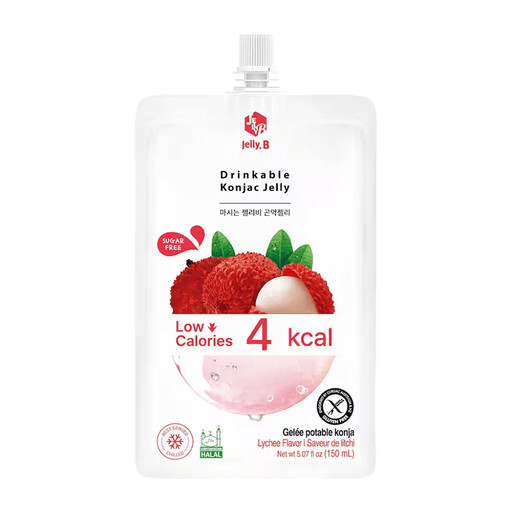
Jelly.B Konjac Jelly Lychee 150ml
Why This Fits Their Persona: Ideal for a low-calorie diet or as a light, pre-workout snack that won't break your calorie budget. The clear focus is on a sweet treat with a minimal calorie count.
Addresses the "hidden calorie" trap by using erythritol as a sweetener and providing a transparent nutritional label of just 4 kcal per serving (according to the manufacturer).
Extremely low in calories. Convenient, resealable squeeze pouch for on-the-go consumption.
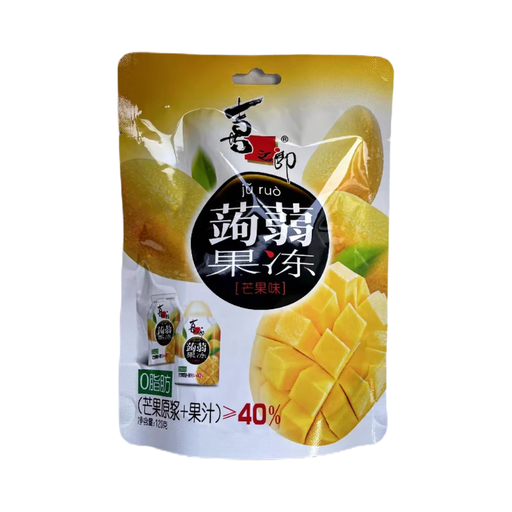
【Cool】Strong Konjac Jelly (Mango Flavor) 120g
Why This Fits Their Persona: For those who seek a full-bodied, fruity flavour and a firm, satisfying texture that's close to a real dessert. Here, indulgence takes priority over strict calorie counting.
Avoids the "texture disappointment" trap with a high fruit juice content (≥40% according to the manufacturer) and the targeted use of konjac flour for a pleasantly firm, spoonable consistency.
High fruit content for an intense, natural flavour. A firm jelly structure that is very satisfying.
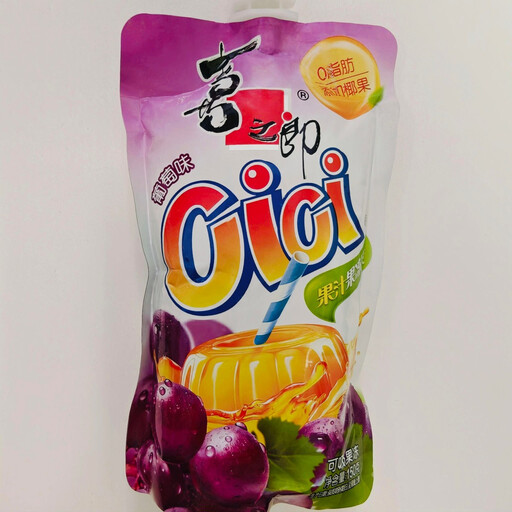
【Refreshing】Strong CICI Fruit Juice Jelly Drink Grape Flavor 150g
Why This Fits Their Persona: Perfect for on the go, at university, or in the office. Its drinkable format and the addition of nata de coco pieces make it a varied and straightforward snack for any time of day.
Solves the "monotonous texture" problem by adding chewy nata de coco pieces (≥3.5% according to the manufacturer), which creates a more complex textural experience.
Convenient drinkable pouch with a spout. Added texture from nata de coco for more variety.
Looking for more options?
If you want to discover more flavours or brands that meet our selection criteria, you can find a more comprehensive overview here.
Frequently Asked Questions about Konjac Jelly
Do you have to chew konjac jelly?
Yes, it is important to chew konjac jelly thoroughly. The texture is designed to be chewed to experience the full flavour and unique consistency. Swallowing it whole, especially with firmer jellies, should be avoided. Many packages also include a corresponding warning notice.
What is the best way to store konjac jelly?
Unopened packages should be stored in a cool, dry place away from direct sunlight. Refrigeration is not strictly necessary before opening, but many people enjoy their jelly drinks chilled. After opening, the product should be kept in the refrigerator and consumed promptly, usually within 24 to 48 hours. Please refer to the specific instructions on the packaging.
Is konjac jelly suitable for a vegan diet?
In most cases, yes. Konjac jelly uses plant-based gelling agents like konjac flour, carrageenan, or gellan gum instead of animal-based gelatin. This makes it a great alternative to traditional jelly desserts. To be certain, however, you should always check the ingredients list of the specific product to rule out any traces of milk or other non-vegan components.