
Buying Konjac Jelly: A Guide to Choosing the Right Low-Calorie Snack
Konjac jelly, often known as a jelly drink, has evolved in the West from a niche specialty into a popular low-calorie snack. Whether as a fruity on-the-go refreshment or a conscious alternative to traditional sweets, the selection is constantly growing. But with variety comes pitfalls. Many products look similar at first glance but differ significantly in ingredients, nutritional value, and texture.
This guide will help you navigate the common marketing traps and make an informed purchasing decision. We'll show you what to look for to find the right product for your needs, without being disappointed by misleading promises.
The 3 Most Common Pitfalls When Buying Asian Jelly Snacks
Before you decide on a product, you should be aware of the most common issues that can lead to a bad purchase.
- The "Low-Calorie" Trap: It's easy to market a product as "low-calorie." However, a low fat content is often compensated for by a high amount of sugar or fructose syrup. The result is a snack that, while technically fat-free, still contains a significant amount of sugar and calories, defeating the purpose of a light snack.
- Misleading "Fruit Flavor": Colorful packaging with images of juicy fruits suggests a high fruit content. In reality, the flavor of many products is primarily based on artificial flavorings, while the actual fruit juice content is minuscule. A look at the ingredients list often reveals that the fruit content is below 1%.
- Vague Texture and Type Labeling: Not every Asian jelly is a konjac jelly. The general term is often used to sell grass jelly or nata de coco (coconut gel). These differ fundamentally in their texture—from soft and Jell-O-like to firm and cube-like. Anyone expecting the characteristically chewy, springy consistency of konjac can easily end up with the wrong product.
What Really Matters: 2 Crucial Criteria for Your Selection
To ensure you find the right product for your taste and dietary goals, you should carefully examine two core parameters.
1. The Jelly's Base: Konjac, Grass, or Coconut?
The main ingredient determines the texture and basic properties of the snack.
- Konjac Jelly: Made from the flour of the konjac root (Amorphophallus konjac). It is known for its unique, elastic, and chewy texture. Konjac flour is rich in glucomannan, a dietary fiber that contains almost no calories. Products based on konjac are therefore often the first choice for a satisfying, very low-calorie snack.
- Grass Jelly: A traditional Asian sweet made from the Mesona Chinensis plant. It has a much softer, smoother consistency reminiscent of gelatin dessert, and a subtle, slightly tart flavor. It is often used as an ingredient in desserts and drinks like bubble tea.
- Nata de Coco (Coconut Gel): Created through the fermentation of coconut water. The result is firm, translucent cubes with a pleasantly chewy but less elastic texture than konjac. It is usually preserved in sugar syrup and serves as a popular ingredient in fruit salads and desserts.
2. Deciphering Nutrition Facts and Ingredient Lists
The back of the package provides the most important information.
- Calorie content per 100g: Compare this value to get a true assessment. Products sweetened with sweeteners like erythritol can have close to zero calories (e.g., 2–7 kcal per serving). More traditional versions with sugar or syrup often range from 80–110 kcal per 100g.
- Sugar vs. Sweeteners: Pay attention to the order of ingredients. If sugar or fructose syrup is listed near the top, the sugar content is correspondingly high. Products for a sugar-free diet use sweeteners like erythritol, sucralose, or acesulfame K instead.
- Fruit Juice Content: A hallmark of quality is a declared, high percentage of real fruit juice or fruit purée. Statements like "Fruit Juice Concentrate ≥40%" indicate a more intense and natural flavor experience than products that only list "flavoring."
Jelly Snacks for Every Need
Here are some recommendations tailored to different profiles.
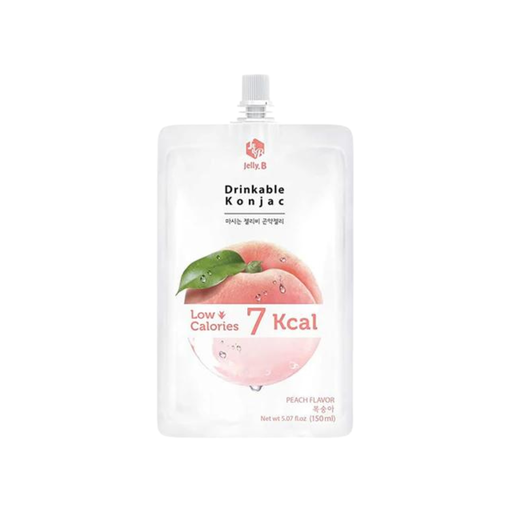
Jelly.B Konjac Jelly Peach 150ml
Why This Fits Their Persona: Ideal for anyone looking for a sweet, guilt-free snack. This drinkable konjac jelly in a convenient squeeze pouch is perfect for your desk or gym bag, delivering sweet flavor with minimal calories.
This product consistently avoids the sugar trap. It's sweetened with erythritol and, according to the manufacturer, contains 0g of sugar and only 7 calories per pouch, making it a transparent, extremely low-calorie option.
Extremely low calorie count (5 kcal/100ml). Convenient, resealable squeeze pouch for on-the-go consumption.
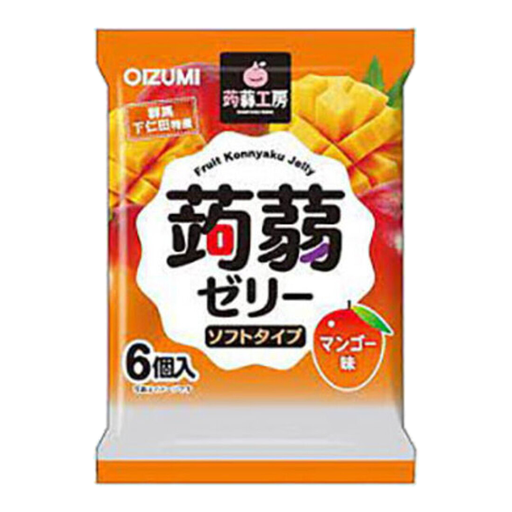
Shimonita Konjac Kobo konjac Jelly Mango Flavor 106g
Why This Fits Their Persona: For those who appreciate the authentic taste and texture of a true Japanese jelly. The focus here is on the traditional taste experience, not just calorie reduction.
This product avoids the artificial fruit flavor trap. It is made in Japan and uses a traditional recipe with sugar and real fruit juice, ensuring a full-bodied, natural taste.
Authentic, chewy konjac texture. Made in Japan. Calorie-reduced compared to classic sweets (100 kcal/100g).
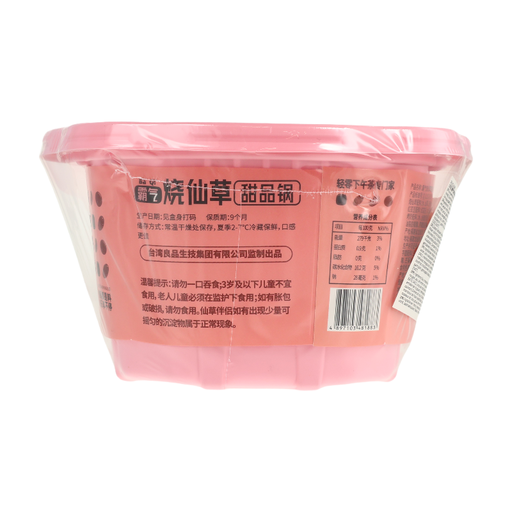
XCLL- Grass Jelly Dessert Pot 338g
Why This Fits Their Persona: Perfect for creative home cooks and fans of Asian desserts looking for an authentic ingredient. This grass jelly isn't a ready-to-eat snack but a base for your own creations, like desserts, sweet soups, or a topping for drinks.
This product avoids the texture trap with clear product labeling. It is sold as "Grass Jelly" and delivers the expected soft, smooth consistency, which is distinctly different from konjac.
Versatile for use as a dessert ingredient. Authentic, traditional flavor. At 36 kcal/100g, it's a light base for desserts.
Looking for more options?
We've compiled a complete, up-to-date list of products that meet these strict selection criteria.
Frequently Asked Questions (FAQ)
1. How do you eat konjac jelly correctly?
Most konjac jellies are packaged as jelly drinks in squeeze pouches and can be consumed directly from them. Other varieties in cups or blocks are eaten with a spoon or cut into pieces. The warning notice on many packages is important: due to the chewy consistency, there is a choking hazard. Chew each bite thoroughly and do not leave children or the elderly unsupervised while they are eating.
2. Is konjac jelly always low-calorie?
Not necessarily. The calorie content depends heavily on the added sweeteners. Products that use sugar substitutes like erythritol are extremely low in calories (often under 10 kcal per serving). Traditional Japanese jellies that use sugar or syrup for a fuller flavor are "calorie-reduced" (approx. 80–110 kcal per 100g) compared to chocolate or gummy candies, but not "calorie-free." A look at the nutrition facts is essential.
3. What is the difference between konjac jelly and grass jelly?
Although both are Asian jelly specialties, they are fundamentally different. Konjac jelly is made from the konjac root and has a firm, elastic, and chewy texture. Grass jelly is derived from a plant in the mint family and has a very soft, smooth consistency, similar to gelatin dessert, with a slightly herbal taste. Konjac is usually a standalone snack, while grass jelly often serves as an ingredient in desserts.